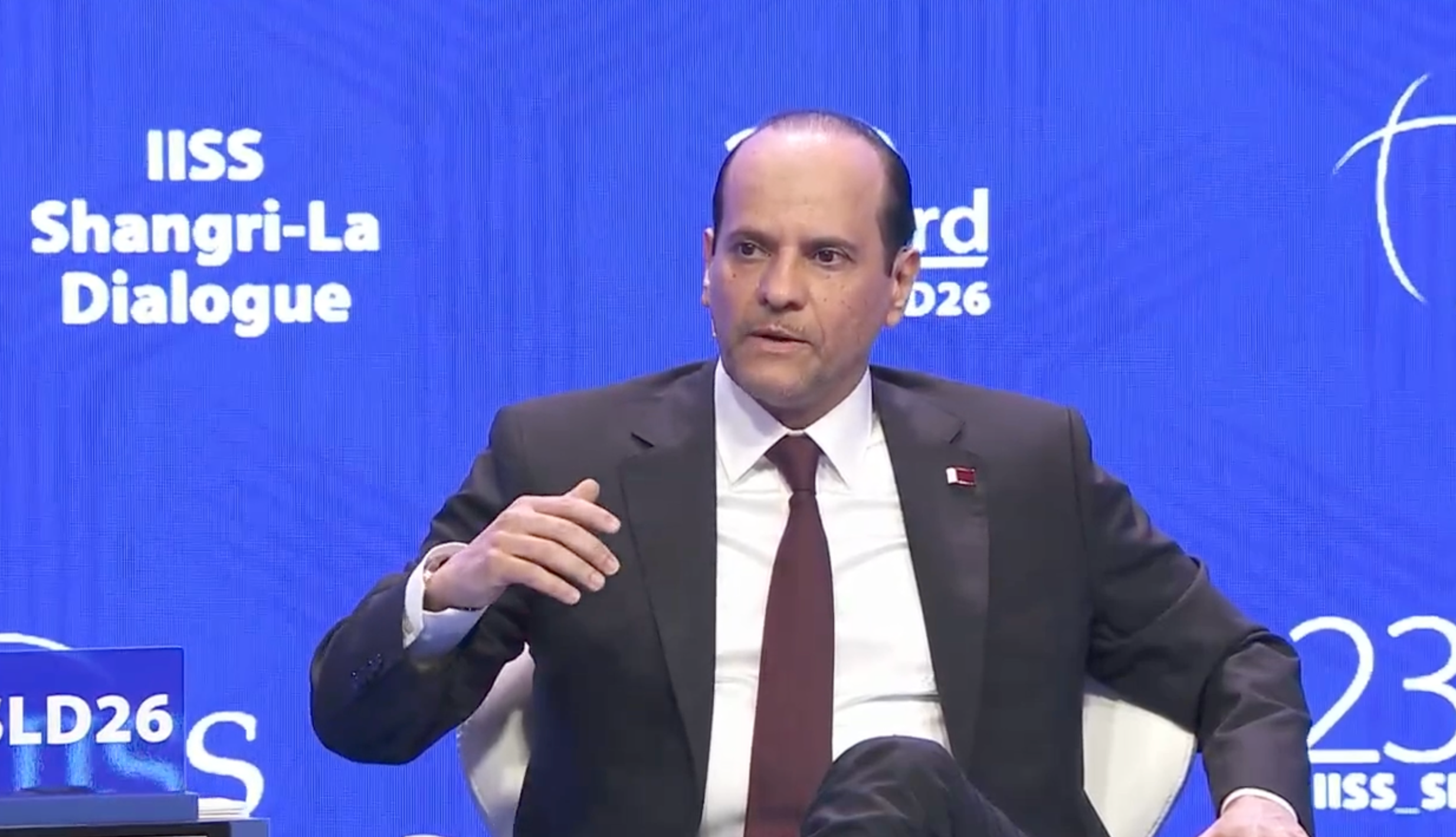
Nations utilizing crucial maritime chokepoints often face geopolitical pressures regarding passage fees. In a recent address, a senior Qatari official indicated that while the country stands firmly against any permanent imposition of tolls for transit through the Strait of Hormuz, it maintains a pragmatic view regarding temporary charges. This nuanced position suggests a readiness to discuss fees if those charges are explicitly tied to immediate, essential reopening efforts of the vital waterway.
The core message transmitted is one of conditional acceptance. Qatar’s stance is not an outright rejection of all associated costs, but rather a determination to scrutinize the purpose and duration of any proposed levy. The willingness to negotiate temporary fees appears contingent on a specific, beneficial use case—namely, facilitating critical infrastructure restoration, such as the removal of submerged hazards like sea mines.
What This Means for Global Trade
This commentary underscores the complex interplay between sovereign rights, international maritime law, and the global appetite for unimpeded trade. The Strait of Hormuz is one of the world’s most important oil transit routes, meaning any perceived restriction or cost associated with passage has immediate, tangible effects on global energy markets. By signaling flexibility on temporary charges, Qatar may be attempting to de-escalate tensions while simultaneously ensuring that any necessary passage reopening—particularly after disruptions—can be financed through mutually agreed-upon mechanisms, provided those mechanisms are time-bound.
Background on the Strait of Hormuz
The Strait of Hormuz connects the Arabian Gulf to the open ocean, forming a critical artery for international shipping. Its strategic importance is undeniable, given the vast volume of energy commodities that flow through it daily. Because of this high stakes environment, any talk of tolls or restrictions immediately draws the attention of global economic powers. Historical disruptions in the region, whether due to conflict or natural hazards, have always placed immense focus on ensuring the continuous, cost-effective flow of maritime traffic through this narrow corridor.
Navigating Sovereignty and Necessity
The statement effectively draws a distinction between permanent governance structures and temporary emergencies. Opposition to a permanent toll suggests a belief in the established principles of freedom of navigation crucial for international commerce. Conversely, acknowledging negotiability for a temporary charge related to cleanup activities implies a recognition that, at times, extraordinary measures—like large-scale mine clearance—require immediate, collaborative funding that goes beyond routine transit fees. This dual message positions Qatar as a voice advocating for open passage while also exhibiting a willingness to participate in the logistical and financial solutions required to keep the waterway fully functional.
About the Author




