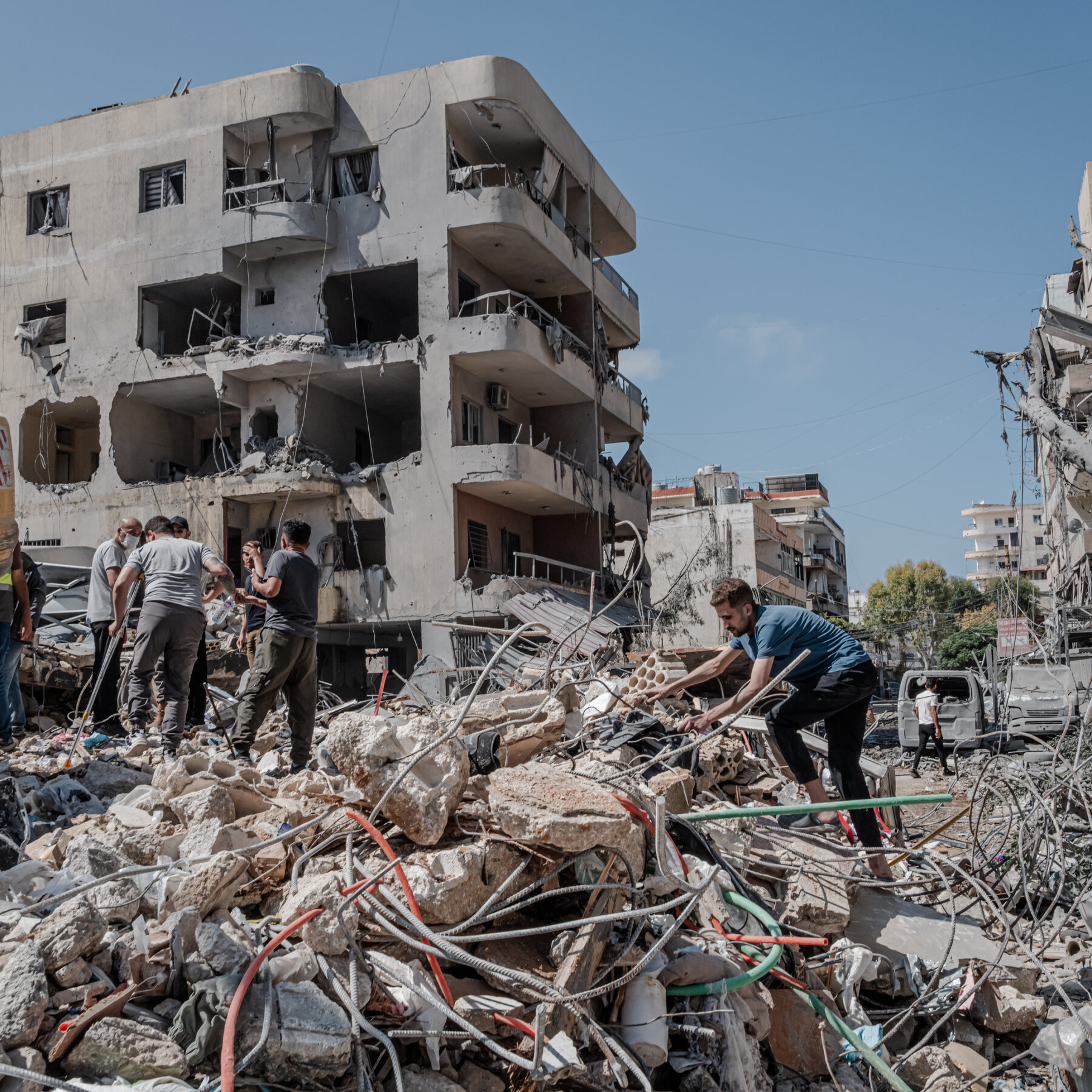
Tensions High in the Levant: Israel Maintains Military Pressure Amid Peace Diplomacy Efforts
A complex and volatile diplomatic situation is unfolding across the Levant, characterized by ongoing military posturing from Israel juxtaposed with intermittent efforts toward de-escalation. Despite high-level discussions taking place in Washington involving officials from Lebanon and Israel, Israeli leadership has signaled a firm commitment to maintaining its current military campaigns. This suggests that while diplomatic channels remain partially open, the immediate security calculus appears weighted heavily toward continued assertive action.
The confluence of these two seemingly contradictory tracks—active negotiation and sustained military operations—underscores the deep divisions and profound challenges facing regional stability. While talks are resuming in an attempt to find a diplomatic off-ramp, Israeli political statements reinforce a policy of continued military engagement against certain militant factions. This divergence creates an uncertain backdrop, suggesting that any potential breakthroughs in peace talks must contend with the reality of ongoing kinetic activity on the ground.
What This Means: The Challenge of Separating Diplomacy from Deterrence
The juxtaposition of talks in the diplomatic sphere against persistent military strikes suggests a deep mistrust underpinning any peace dialogue. For the negotiations to yield lasting results, a credible mechanism for verifiable de-escalation would need to be established. Currently, the rhetoric and actions from key players indicate that deterrence remains a primary policy tool, overshadowing immediate cease-fire agreements. The viability of any diplomatic breakthrough hinges on how these parties reconcile the necessity of political agreements with the demonstrated commitment to maintaining military pressure.
Background and Context: A Long-Standing Regional Flashpoint
The tensions gripping this region have roots in long-standing geopolitical rivalries and shifting power dynamics. The current military campaign continues to frame Israel’s strategy of national security response against perceived threats emanating from specific non-state actors. Meanwhile, Lebanon has long been central to the region’s complex web of alliances, making it a pivotal, yet extremely fragile, point of geopolitical friction. International efforts have repeatedly focused on de-escalating conflict flare-ups, yet the underlying structural tensions remain potent, ensuring that the risk of escalation persists despite any temporary lull in the conflict.
About the Author




