Underlying Divides: Analyzing the Tensions During Jerusalem Day Demonstrations
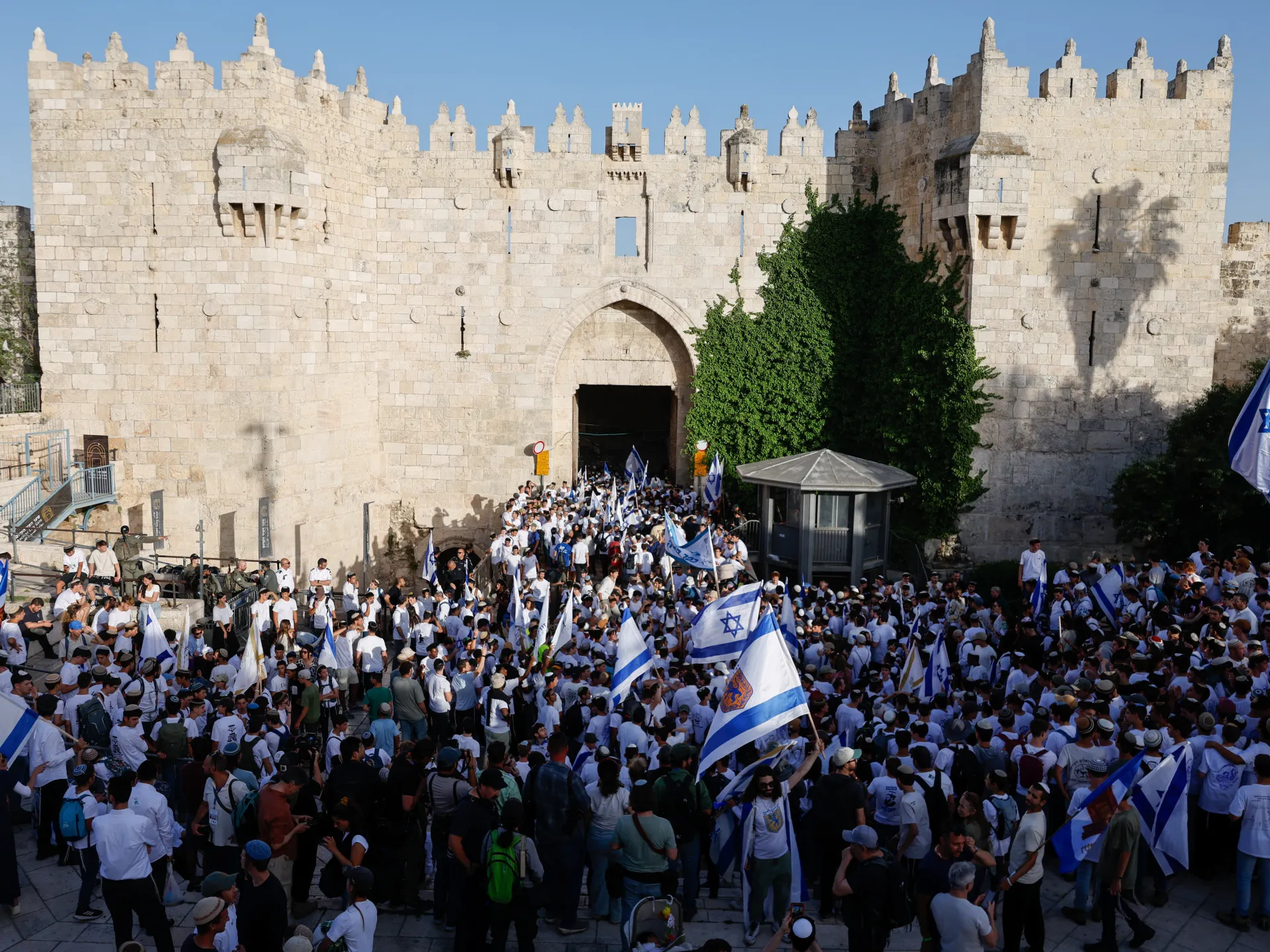
The annual commemoration observed on Jerusalem Day remains a flashpoint for deep societal and political divisions within the region. Recent demonstrations associated with this day have been marked by significant unrest, moving beyond simple political protest to incorporate overtly hostile and racially charged outbursts. Reports indicate that the gatherings have been fraught with an atmosphere of tension, suggesting a recurring pattern of friction between different community groups inhabiting the city.
The nature of the discontent expressed during these marches suggests a volatile intersection of nationalism and animosity. Rather than focusing solely on ideological discourse, the atmosphere has been reportedly permeated by chanting of slogans that carry deeply racist undertones. These actions escalate tensions significantly, moving the focus from civic demonstration to a highly charged confrontation underpinned by discriminatory rhetoric.
The escalating nature of the conflict is further complicated by the presence and visibility of Palestinian residents. Official statements and eyewitness accounts point to a palpable fear among the local Palestinian community, who anticipate and experience a risk of violence stemming from the fervor and aggression displayed by segments of the protesting crowd. This dynamic illustrates a profound disconnect between the commemorative celebration and the lived reality of the diverse populations within Jerusalem.
The Weight of Historical Significance
The annual events surrounding Jerusalem Day carry immense historical and cultural weight for all parties involved. For one group, the day represents a deeply held affirmation of cultural and national identity, leading to large, organized marches. For others, particularly Palestinian residents, the event is viewed through a lens of occupation, heightened militarization, and escalating rights concerns. This fundamental divergence in historical narrative creates a perpetual state of underlying strain.
The recent reports suggest that the visible escalation—specifically through the use of racial slurs—indicates a breaking point in the controlled display of political difference. Such rhetoric suggests a deeper, more visceral level of antagonism that permeates the annual observance, transforming what might be expected as a period of demonstration into one characterized by palpable risk and division.
Analyzing the Impact on Civilians
The most immediate and pressing consequence highlighted by these events is the palpable sense of insecurity felt by the non-protesting population. When demonstrations devolve into overt displays of hostility, the surrounding civilian community, including Palestinian residents, finds itself caught in a perilous middle ground. The threat of unrest, fueled by volatile chanting and aggressive displays, means that the celebration itself contributes to a climate of fear and instability for daily life within the city.
In essence, the recurring cycle suggests that the symbolic nature of the holiday clashes violently with the demographic realities of the city. The visible display of ultranationalist sentiments, characterized by discriminatory slogans, underscores a societal rift that remains deeply unreconciled, elevating the annual march from a mere political rally to a significant marker of communal fracture.
What This Means: A Cycle of Escalation
The pattern observed during these marches signals a continued lack of civil space for diverse populations to exist peacefully amidst heightened nationalistic fervor. The inclusion of racist elements in the chants fundamentally changes the character of the event from a political rally to one steeped in prejudice. This escalation elevates the danger profile for all residents, making the celebration itself a source of communal trauma rather than a point of unity. Unless fundamental mechanisms are put in place to curb discriminatory speech, these annual demonstrations are likely to remain powerful contributors to regional instability and interpersonal conflict.
Contextual Understanding of Jerusalem’s Identity
Jerusalem’s unique status as a site of profound religious and national significance to multiple groups worldwide contributes inherently to its political volatility. The city’s history is one of competing claims and interwoven destinies. Therefore, any major commemorative event becomes intrinsically politicized. The tension described is not isolated; it reflects a long-standing struggle over sovereignty, cultural identity, and the civil rights of its long-term, diverse inhabitants. The annual cycle thus serves as a dramatic, and often volatile, performance of these unresolved deep-seated geopolitical tensions.
About the Author




