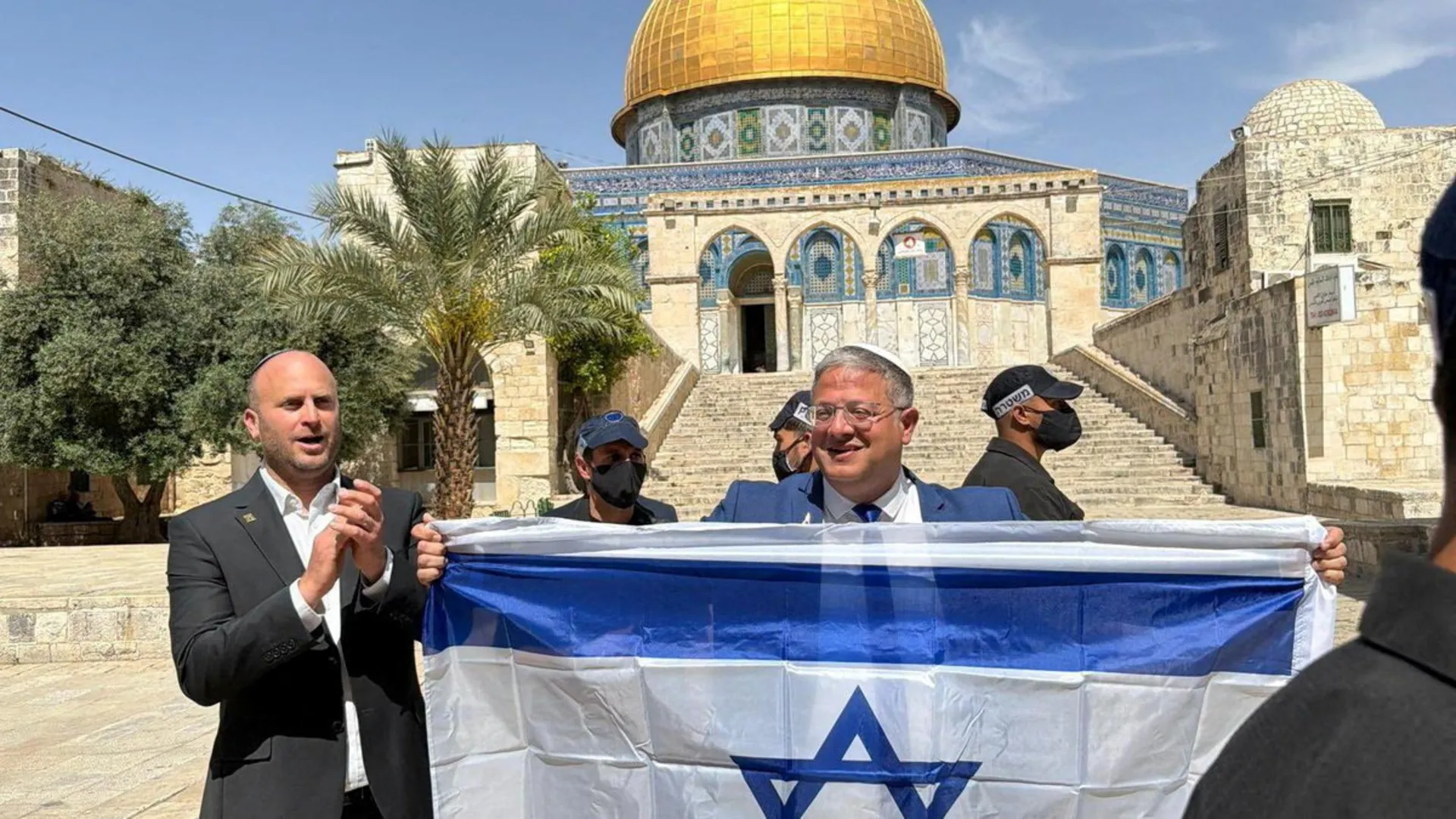
Political Tensions Flare as High-Profile Visit Disrupts Al-Aqsa Area During Major Commemoration
A significant political flashpoint emerged recently as a prominent, right-wing Israeli minister entered the Al-Aqsa compound. This high-profile visit occurred during a large-scale march organized to commemorate Jerusalem Day. The event itself serves as a focal point for Israeli national identity, marking the historical context of the city’s capture and subsequent control. The presence and actions of the minister, who entered the sacred site with visible security escort, drew immediate and intense scrutiny both domestically and internationally.
The incident highlighted the deep political divisions surrounding the Holy sites in Jerusalem. While the commemoration march itself underscores a specific historical narrative related to the area’s control, the entry into Al-Aqsa by a minister known for his outspoken political stances added an unexpected and volatile element. The security measures surrounding the minister’s passage indicated the gravity of the anticipated tensions surrounding the visit, transforming a commemorative procession into a highly charged political demonstration.
What This Means: Escalating Political and Religious Friction
The sequence of events signals a deepening divide over the status and access rights within the Old City of Jerusalem. For many observers, the passage of a politically charged figure into Al-Aqsa during a state-sanctioned march reinforces debates about sovereignty and the management of holy sites. The incident raises crucial questions regarding the differing interpretations of religious heritage and national claims in the area. Such overt displays of political power in highly sensitive religious zones are often catalysts for heightened international concern regarding stability and freedom of religious expression.
Background and Context: The Significance of Jerusalem Day
Jerusalem Day processions are historically significant events for the State of Israel, drawing large crowds to acknowledge the city’s importance to Israeli national memory. These annual marches carry substantial symbolic weight, reflecting the narrative of the 1967 period and subsequent control over the eastern sectors of Jerusalem. The Old City, containing several sites of profound religious importance to multiple faiths, remains a focal point of global geopolitical tension. The movement of political leaders, especially those associated with the far-right elements, into these deeply contested spiritual grounds inevitably amplifies these existing, long-standing disputes over governance and religious autonomy.
About the Author




