Japan Shifts Foreign Policy Stance by Revamping Arms Export Controls Amid Geopolitical Tensions
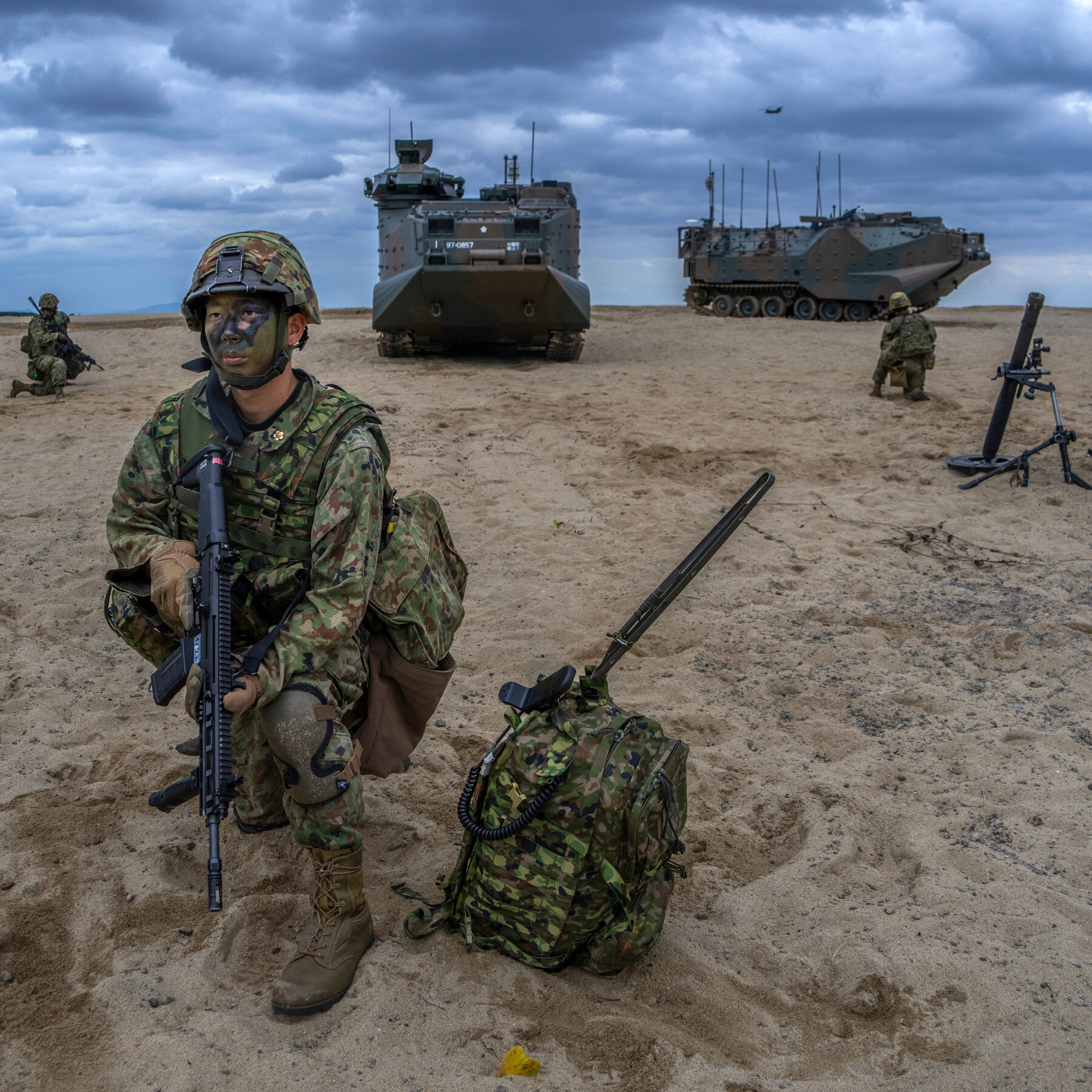
Japan is executing a notable pivot in its foreign and defense posture, signaled most prominently by the easing of long-standing restrictions on the export of weaponry. This policy shift marks a departure from the nation’s deeply ingrained tradition of pacifism that has defined its post-World War II identity. The decision reflects a growing acknowledgment from Japanese leadership that the complex and volatile regional security environment necessitates a more robust and proactive defense engagement with international partners.
The underlying catalysts for this strategic realignment are multifaceted. On one hand, escalating strategic competition, particularly with the People’s Republic of China, has presented undeniable security challenges in the Asia-Pacific region. Simultaneously, geopolitical reassurances regarding the stability of its primary treaty ally have fueled a greater sense of self-reliance and urgency within defense planning circles. Consequently, the government is recalibrating its role from primarily defensive to one that involves contributing more visibly to regional security architectures through the export of advanced defense materials and technology.
Implications for Asian Security Frameworks
This adjustment in export policy carries significant weight for regional security dynamics. By relaxing export controls, Japan is positioning itself to become a more active supplier and participant in multinational security frameworks. This move suggests a systemic overhaul of the national approach to defense industrial policy. Instead of viewing its military capacity purely as for internal protection, the policy now incorporates the strategic export of defense technology as a critical component of its national security strategy. This reframing could alter the balance of power calculations among nations bordering the region, encouraging greater interoperability and shared defense planning among allies.
Understanding the Policy Context
Historically, Japan maintained stringent self-imposed limitations on the transfer of military hardware, prioritizing economic stability and adherence to pacifist principles following the devastating conflicts of the 20th century. However, the convergence of intensifying regional rivalries and the need to strengthen deterrence capabilities have created political momentum for change. Official statements indicate that the revised guidelines are designed not only to meet immediate threats but also to solidify Japan’s role as a responsible, yet assertive, middle power within a challenging global matrix. The focus is clearly on enhancing the nation’s geopolitical muscle while maintaining its dedication to democratic values and international law.
What This Means for Allies and Adversaries
For allied nations, this increased willingness to export arms and cooperate on defense technology can signal enhanced mutual security guarantees, potentially leading to deeper joint defense planning and joint acquisition programs. Conversely, for potential rivals, this signals a definitive end to an era of extreme restraint. The revised framework suggests that Japan is prepared to use its sophisticated industrial base—ranging from electronics to advanced defense systems—as a tangible tool of foreign policy, ensuring that its defense industrial sector plays a direct and visible role in shaping the security calculus of the Indo-Pacific.
About the Author