Maritime Power Projection: Iran’s Deterrent Strategy Beyond Nuclear Ambitions
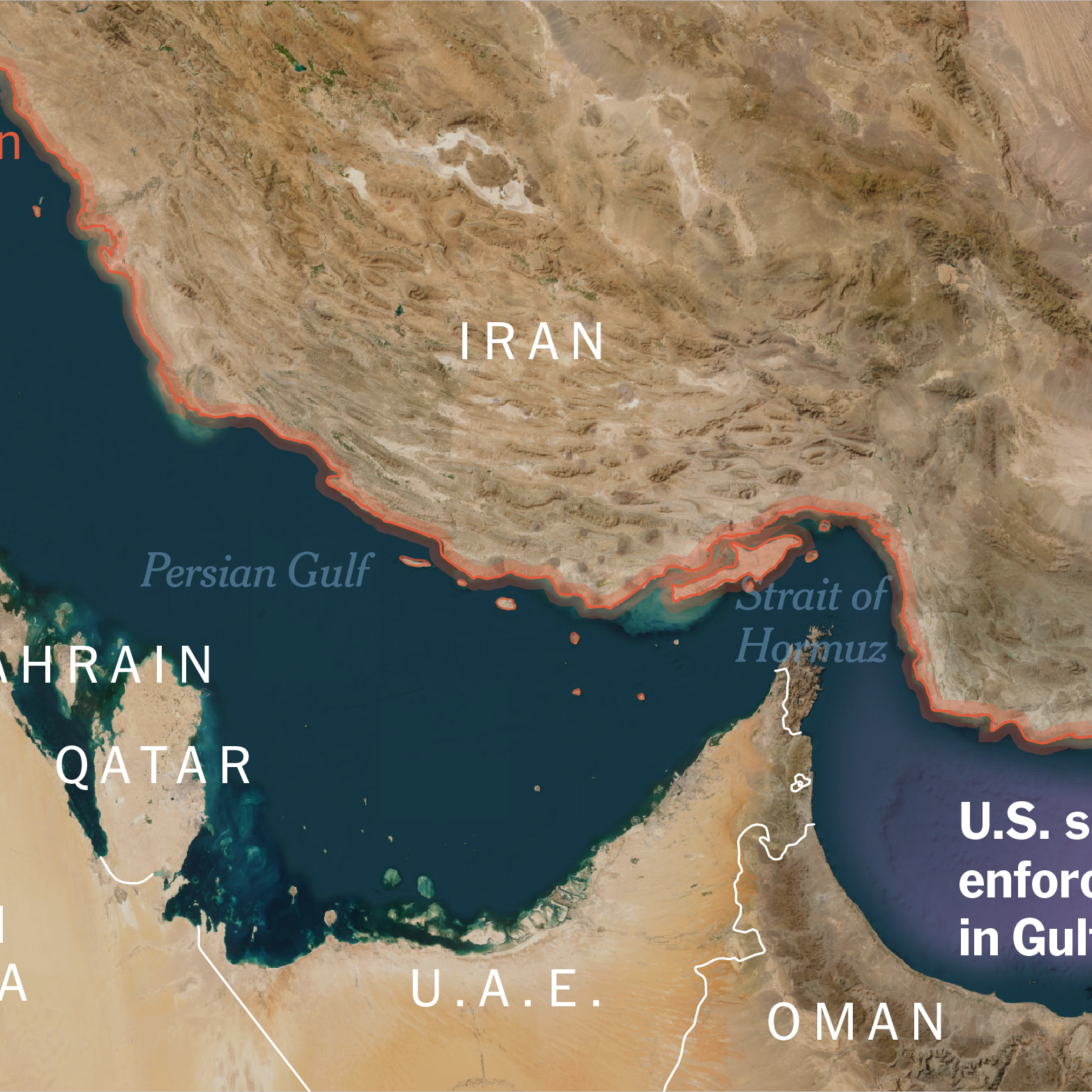
The capacity to exert influence over critical global maritime chokepoints represents a significant strategic asset for regional powers. In the case of Iran, maintaining a strong presence and the potential to disrupt major shipping lanes, particularly the Strait of Hormuz, has emerged as a key pillar of its defense posture. This capability suggests a pivot in strategic thinking, emphasizing non-nuclear military hardware and naval reach as primary tools for deterring potential adversaries.
Instead of solely relying on nuclear deterrents, the emphasis has shifted toward controlling vital economic arteries. The Strait of Hormuz is one of the world’s most crucial oil transit points, meaning any credible threat of disruption carries profound global economic implications. By mastering the operational environment of these waterways, Iran can force international actors to factor in the high cost of confrontation, thereby altering the risk calculation for any nation considering challenging its regional objectives.
The Mechanism of Deterrence Through Chokepoint Control
The primary significance of this maritime capability lies in its immediate economic leverage. Because a substantial portion of global liquid energy trade passes through this narrow strait, any credible threat of disrupting tanker traffic or naval movements exerts immense pressure on global commodity markets and international security structures. This ‘weaponization’ of geography means that military posturing in the region directly translates into geopolitical and economic bargaining chips.
What This Means for Regional Stability and Global Trade
The implications of Iran’s advanced maritime capabilities are broad, touching upon international trade law, energy market stability, and the calculus of regional power dynamics. For global energy consumers and maritime insurers, the persistent presence of advanced naval assets presents an ongoing risk premium. This forces major global powers and energy corporations to maintain heightened levels of awareness and contingency planning, effectively placing a continuous operational overhead on their strategic planning concerning the Persian Gulf region.
Contextualizing the Strategy
Historically, regional conflicts and power dynamics have been characterized by escalating military hardware, often leading to nuclear arms races. The focus on sea control, however, suggests a method of achieving strategic goals that is perhaps more deniable or requires less overt, large-scale conventional conflict. By projecting power from the sea, a state can maintain a high degree of strategic influence while potentially avoiding the overt escalation associated with conventional ground warfare or the irreversible commitment of a nuclear arsenal. This maritime mastery solidifies Iran’s role as a major, unavoidable geopolitical player in the Middle East.
About the Author





