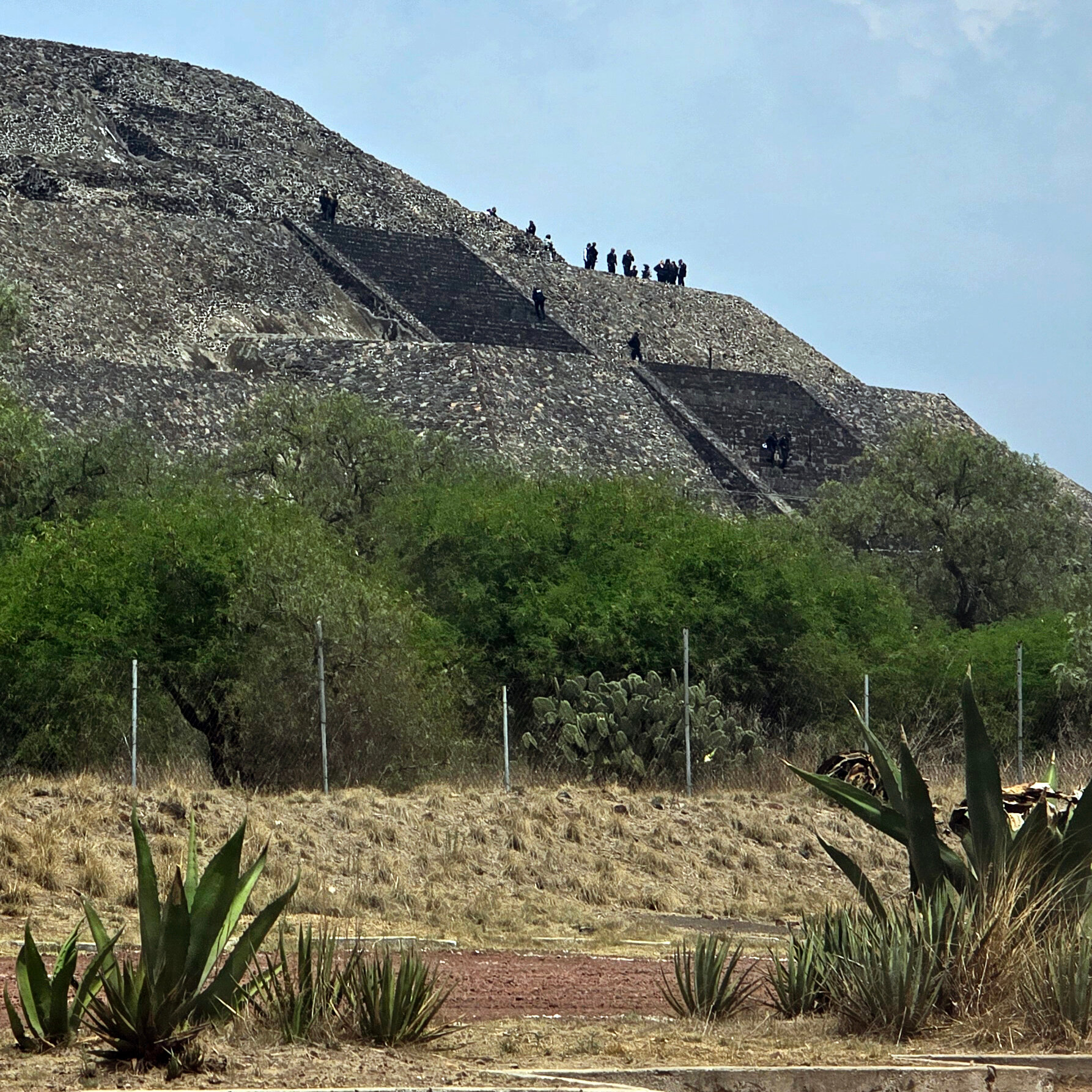
Tragedy Strikes Teotihuacán: Details Emerge After Shooting Incident Near Ancient Mexican Pyramids
A distressing event unfolded at the highly significant Teotihuacán archaeological park, located near Mexico City. Authorities confirmed that a shooting occurred at the monumental site, resulting in casualties and the perpetrator taking his own life at the scene. The incident immediately prompted a heightened sense of alarm among visitors and local authorities concerned with public safety at major cultural landmarks.
Among those affected by the violence were several foreign tourists. Initial reports confirmed that at least six individuals, including citizens from the United States, were among those who sustained injuries. The nature of the trauma involved gunshot wounds, necessitating prompt medical attention for all those impacted by the gunman’s actions.
Understanding the Impact of Violence at Cultural Hubs
The attack underscores a growing and serious global concern: ensuring the physical security of international tourism at irreplaceable historical destinations. Sites like Teotihuacán draw massive crowds from around the world, making them cultural magnets. When such violence occurs, it doesn’t just affect the immediate victims; it sends ripples of apprehension through the tourism industry, forcing local governing bodies to reassess existing security protocols.
The ripple effect of such incidents often includes temporary changes in visitor access, increased surveillance presence, and the development of stricter guidelines for both tourists and vendors operating within the archaeological boundaries. The focus of subsequent investigations will undoubtedly be on preventing any recurrence and establishing robust measures to protect the global heritage that these sites represent.
Historical Context of the Site
Teotihuacán itself is one of the most important pre-Columbian sites in the Americas. It was once a massive metropolis, predating the rise of the Aztec civilization, and its monumental pyramids remain testaments to an advanced and complex ancient society. Because of its immense historical and architectural value, it is a primary destination for both academic researchers and international sightseers alike. The area’s draw, while unparalleled, also contributes to the logistical complexity of maintaining security for such a large gathering of people.
Aftermath and Security Reassessment
Following the immediate crisis, official statements indicated a thorough sweep of the area by law enforcement to ensure no secondary threat remained. These events compel a broader conversation regarding destination management. For popular tourist zones, security planning must evolve beyond basic crowd control to address volatile situations involving armed conflict. The need for visible, highly trained security personnel, coupled with clearer emergency evacuation procedures, has become an immediate talking point among safety experts and travel advisories alike.
This incident serves as a stark reminder that preserving cultural sites requires not only archaeological conservation efforts but also a contemporary commitment to visitor safety and public order.
About the Author





