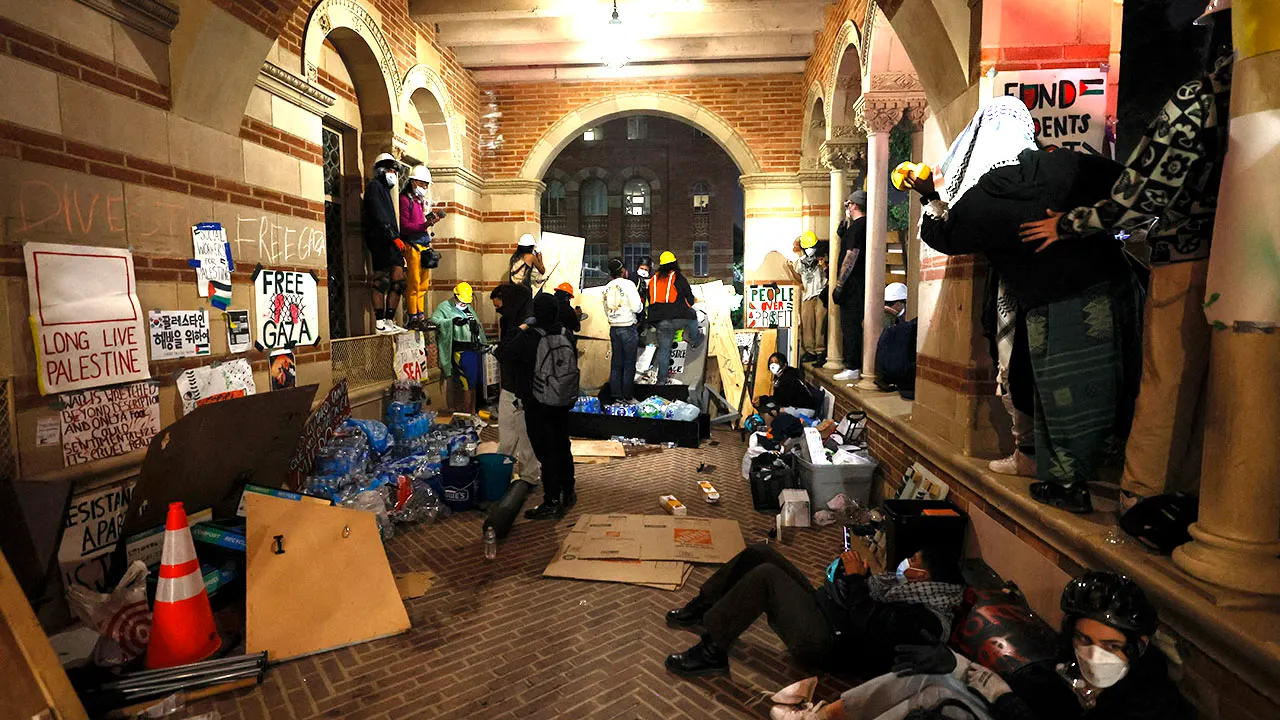
A lawsuit filed by the Department of Justice (DOJ) alleges a pattern of systemic failures by a prominent university system, specifically pointing to egregious incidents of violence and intimidation experienced by Jewish and Israeli students. The legal complaint details claims of physical assaults occurring during demonstrations on campus, suggesting that students were subjected to severe harassment by organized groups. Reports within the suit describe multiple instances of physical abuse, including beatings with blunt objects, forceful strikes, and the use of pepper spray, leading to some students requiring hospitalization for injuries like severe head wounds.
The core of the legal challenge centers on the university’s alleged inaction. The complaint accuses the institution of turning a blind eye to these reported acts of hostility over an extended period. Furthermore, the lawsuit argues that the failure to intervene effectively in the face of persistent discrimination and harassment constitutes a potential violation of federal civil rights statutes pertaining to educational institutions. This suggests a deeper institutional reckoning regarding campus safety and the protection of specific student groups.
The context provided by the filing outlines that the unrest involved the establishment of unauthorized encampments in central, high-traffic areas of the campus. These purported gatherings, described by the DOJ, were allegedly organized with materials forming barriers, which served to impede movement into and out of academic buildings. Such actions reportedly created zones of exclusion, making certain parts of the university inaccessible to targeted students.
The significance of this lawsuit extends beyond specific confrontations; it raises broader questions about the management of contentious political activism within higher education settings. It speaks to the tension between the right to protest and the responsibility of the university to maintain an environment free from discrimination and violence. Official statements indicate that the focus remains on whether the university’s response—or lack thereof—met the standard required to safeguard all enrolled students from targeted harassment based on religion or national origin.
About the Author