Legal Battle Heats Up Over Endangered Species Incident Involving Monk Seal
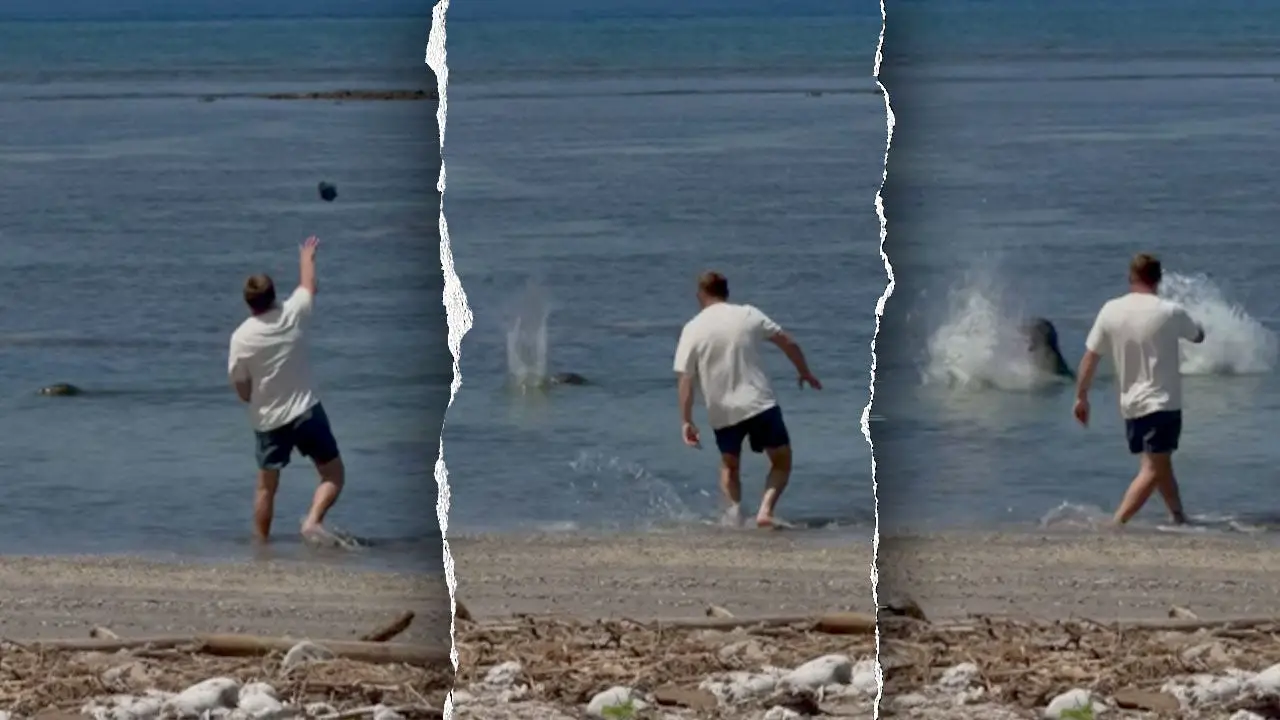
A legal dispute is emerging concerning an incident where an individual allegedly threw an object toward a wild monk seal. The controversy, captured on video and which drew widespread public attention, has since escalated into federal legal charges. The defense representing the accused has indicated that the situation has become volatile for the individual involved, citing threats and allegations of having private personal information exposed online.
The charges stem from an alleged altercation that took place near a shoreline in Maui, involving the endangered Hawaiian monk seal. Specifically, the incident revolved around the accused throwing a rock near the head of the marine mammal. Following the event, which garnered significant media coverage, the accused faces federal charges related to harassing and attempting to harass a protected species. The case has since progressed to formal legal proceedings.
Implications of the Case
The focus of the current legal action underscores the increasing legal scrutiny placed on human interaction with vulnerable wildlife populations. The charges suggest that federal laws regarding the protection of endangered species are being actively enforced. For the defense, managing the ensuing public scrutiny while addressing the core legal allegations is proving to be a complex undertaking. Meanwhile, wildlife conservation groups are likely to monitor the case closely as it proceeds through the legal system, emphasizing the importance of responsible human behavior near sensitive ecosystems.
Background and Context
According to reports covering the matter, the individual in question was detained in the Seattle region sometime after the alleged confrontation. Legal counsel representing the accused has publicly stated that the intent behind the alleged action was not malicious. Instead, the defense has maintained that the client’s actions were taken with the stated objective of protecting the seals found in the vicinity, suggesting a rationale rooted in conservation concern rather than aggression toward the animal itself. The developing legal arguments will likely center on intent, the definition of harassment under federal statutes, and the precise nature of the interaction captured in the circulated footage.
About the Author