Family Observations Illuminate Public Debate Concerns Surrounding Joe Biden’s 2024 Campaign Appearance
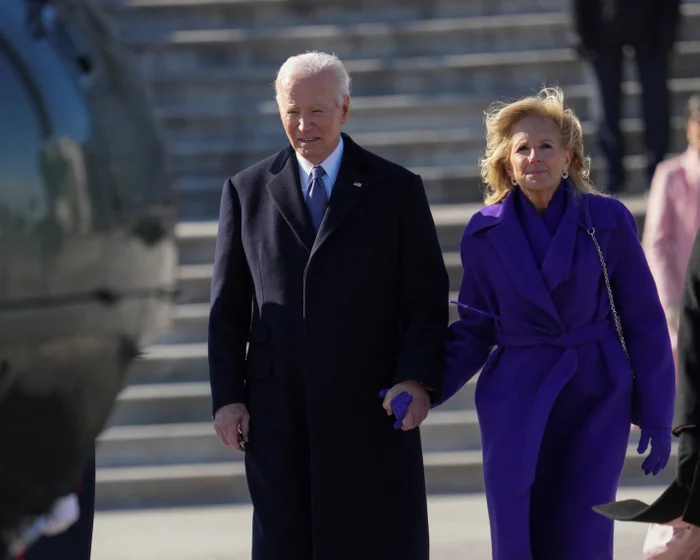
During a recent discussion, Jill Biden shared her personal perspective regarding an on-stage incident involving her husband during the 2024 presidential debate. She recounted the moment, expressing that she felt considerable alarm when President Biden appeared to freeze mid-exchange with his opponent. Her recollection highlighted a moment where her immediate concern was for his physical well-being, leading to the description that she thought he might have experienced a medical event, such as having a stroke. This personal account brings a degree of familial intimacy to the public scrutiny surrounding the candidate’s presentation during high-stakes political forums.
The discussion focused on the evident strain and public observation surrounding the President during that televised event. The description of the moment suggests a deep level of anxiety among those closest to him, pointing to the unpredictable nature of live political confrontations. Such personal anecdotes often garner significant public attention, shifting focus from purely policy disagreements to concerns about the stamina and cognitive presentation of the political figure involved.
What This Means:
The nature of this commentary suggests that physical fitness and on-stage composure have become significant collateral issues in the modern political campaign cycle. When family members publicly comment on moments of visible difficulty, it adds a layer of personal narrative that can influence voter perception far beyond policy arguments. These accounts force the public discourse to balance established political platforms with observations of the candidate’s physical and mental acuity under pressure.
Background / Context:
Political debates serve as crucial flashpoints, allowing candidates to test their responses to immediate, adversarial challenges before a broad electorate. Moments of noticeable hesitation or difficulty during these high-visibility contests are invariably dissected by opponents and media alike. This incident, therefore, becomes more than just a talking point; it enters the broader context of scrutinizing presidential readiness. For political observers, such moments are often interpreted through various lenses—from temporary nerves to deeper concerns about sustained capability—making personal witness accounts highly significant material for political analysis.
About the Author