Heightened Tensions in the Gulf: Assessing the Implications of U.S. Rhetoric Regarding Critical Shipping Routes
Recent reports detailing interactions between regional powers have underscored a period of palpable tension within key maritime chokepoints. The stability of global commerce hinges significantly on the safe and unimpeded passage through vital waterways, such as the Strait of Hormuz. Developments concerning cooperation between regional players, such as ongoing discussions involving Oman, have drawn scrutiny to the geopolitical sensitivities surrounding these critical passages.
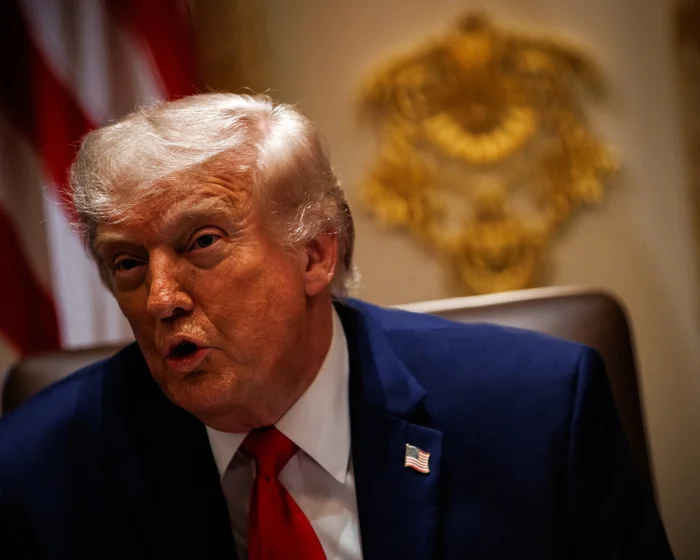
The backdrop to this renewed focus involves discussions regarding potential toll mechanisms for vessels transiting these commercially vital straits. Such proposals, if realized, would represent a significant shift in the established maritime governance of the region. These discussions have, in turn, been overshadowed by high-profile statements emanating from the highest levels of U.S. government, which have introduced severe, potentially escalatory, rhetoric into the already precarious diplomatic atmosphere.
Significance for International Trade and Security
The operational status of the Strait of Hormuz is paramount to the global economy. Given that a substantial percentage of the world’s liquid energy trade transits this area, any disruption—whether through conflict, regulatory dispute, or instability—triggers immediate global market volatility. The threat of force, particularly against a nation engaged in diplomatic talks, dramatically elevates the risk profile for the entire region. Such pronouncements inject profound uncertainty into the diplomatic calculus, suggesting a willingness to use overwhelming military force to compel adherence to specific foreign policy objectives regarding international transit rights.
The emphasis on maintaining free passage underscores the deep integration of the Gulf’s shipping lanes with the global supply chain. Any perceived attempt by regional actors to impose non-traditional charges or regulate passage through these channels is viewed by external powers as a direct threat to global economic stability, compelling a forceful assertion of established maritime norms.
Geopolitical Context and Diplomatic Navigation
Historically, the governance of major straits like Hormuz has been characterized by a delicate balance of international maritime law and the geopolitical interests of major global consumers and producers of energy. When diplomatic talks emerge suggesting shared revenue generation through passage fees, these are interpreted not just as local economic agreements, but as potential challenges to the pre-existing international framework governing global shipping. This dynamic forces external powers to weigh the diplomatic benefits of dialogue against the perceived necessity of immediate, decisive action to safeguard vital trade arteries.
Official statements and diplomatic maneuvers reflect a continuous effort to manage escalating tensions without triggering a wider conflict. The gravity of the situation demands measured diplomacy, ensuring that any structural changes to maritime passage are achieved through multilateral consensus rather than unilateral displays of military intimidation. The current climate highlights the ongoing friction between national sovereign rights and the overarching imperative of global free trade.
About the Author




