Sudan’s Capital Faces New Danger as Paramilitary Forces Target Civilian Areas
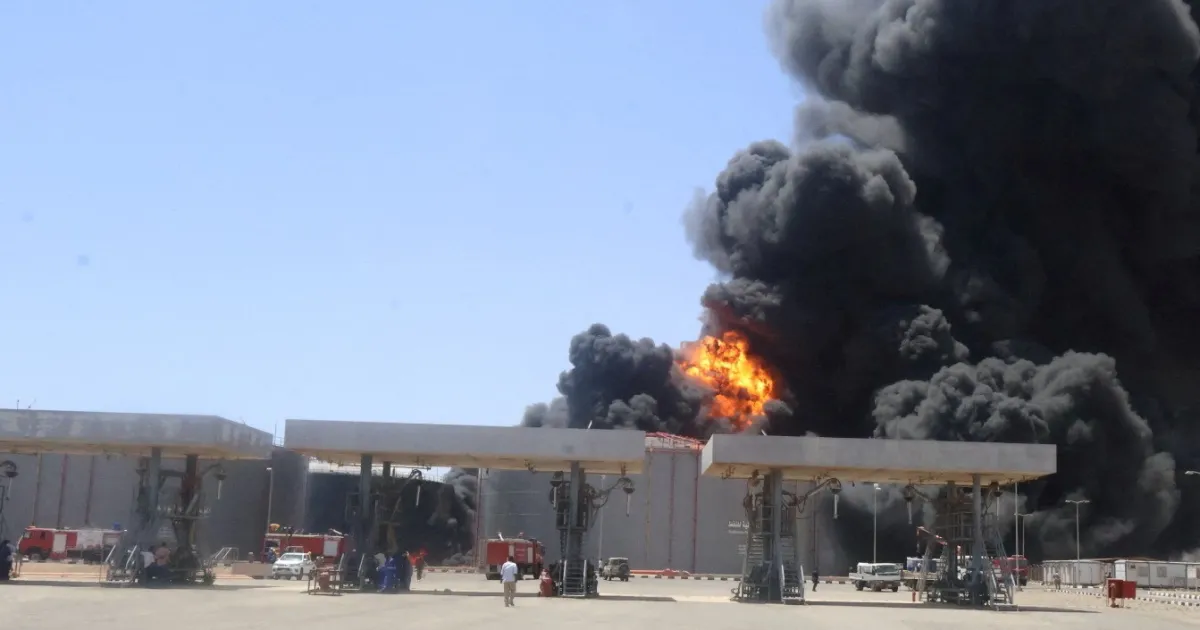
A recent drone strike in Khartoum resulted in multiple civilian casualties, marking a worrying escalation of violence in the capital. Reports from human rights monitoring groups indicate that the attack, attributed to the paramilitary Rapid Support Forces (RSF), has struck populated areas, leading to the deaths of five non-combatants. This incident represents the second such aerial assault within a single week, raising serious alarms about the stability of the region.
The reports of violence come against a backdrop of fluctuating security dynamics. While government forces managed to establish a degree of control over key areas of the city in previous years, the nature of conflict remains unpredictable. Authorities are concerned that such targeted strikes undermine any semblance of normalcy, particularly when vital public services and infrastructure remain severely compromised across the metropolis.
The gravity of this recent event is amplified when considering the broader context of aerial attacks throughout the year. Official assessments have previously tracked hundreds of civilian deaths due to drone strikes in just the initial quarter of the year, underscoring a pattern of severe and indiscriminate danger for the civilian population.
What This Means: Erosion of Civilian Safety and International Law
The confirmed targeting of civilian populations, as alleged by legal monitoring bodies, suggests a potential disregard for international humanitarian standards of warfare. Such actions, if proven, amount to serious breaches of international law. The recurring nature of these attacks, even in areas that have experienced periods of relative calm, suggests a struggle for control rather than a cohesive military effort. This pattern severely impedes humanitarian recovery and reinforces a climate of pervasive fear among the civilian populace.
Furthermore, the pattern of violence suggests that the conflict is spreading beyond the immediate urban core. While attention has frequently been focused on the capital, reports indicate that conflict tensions are broadening into neighboring states, particularly in the southeast. This geographic expansion signals that any stability achieved in Khartoum may be temporary or localized.
Background and Context: A Shifting Landscape of Conflict
The trajectory of the conflict has seen multiple shifts. Following intense fighting earlier in the year, the primary national army managed to push the paramilitary factions out of the capital’s heartland, leading to a declaration that large sectors were secured. In the interim, life in the city showed signs of partial restoration, with residents returning to areas and some domestic air services recommencing operations. However, this rebuilding effort has been hampered by the systemic failure of essential utilities, with wide swaths of the city remaining without reliable power or basic services.
Meanwhile, the focus of the paramilitary group has reportedly shifted its efforts. While historical strikes were often directed at military and utility infrastructure within Khartoum, recent movements have seen the group concentrating its efforts on solidifying its control over economic assets, such as oil-producing zones, particularly in western regions. This indicates a strategic pivot from solely fighting for territorial control in the capital to securing economic lifelines that sustain its power base.
About the Author




