Northeast Brazil Grapples with Renewed Disaster Risk Following Severe Rainfall
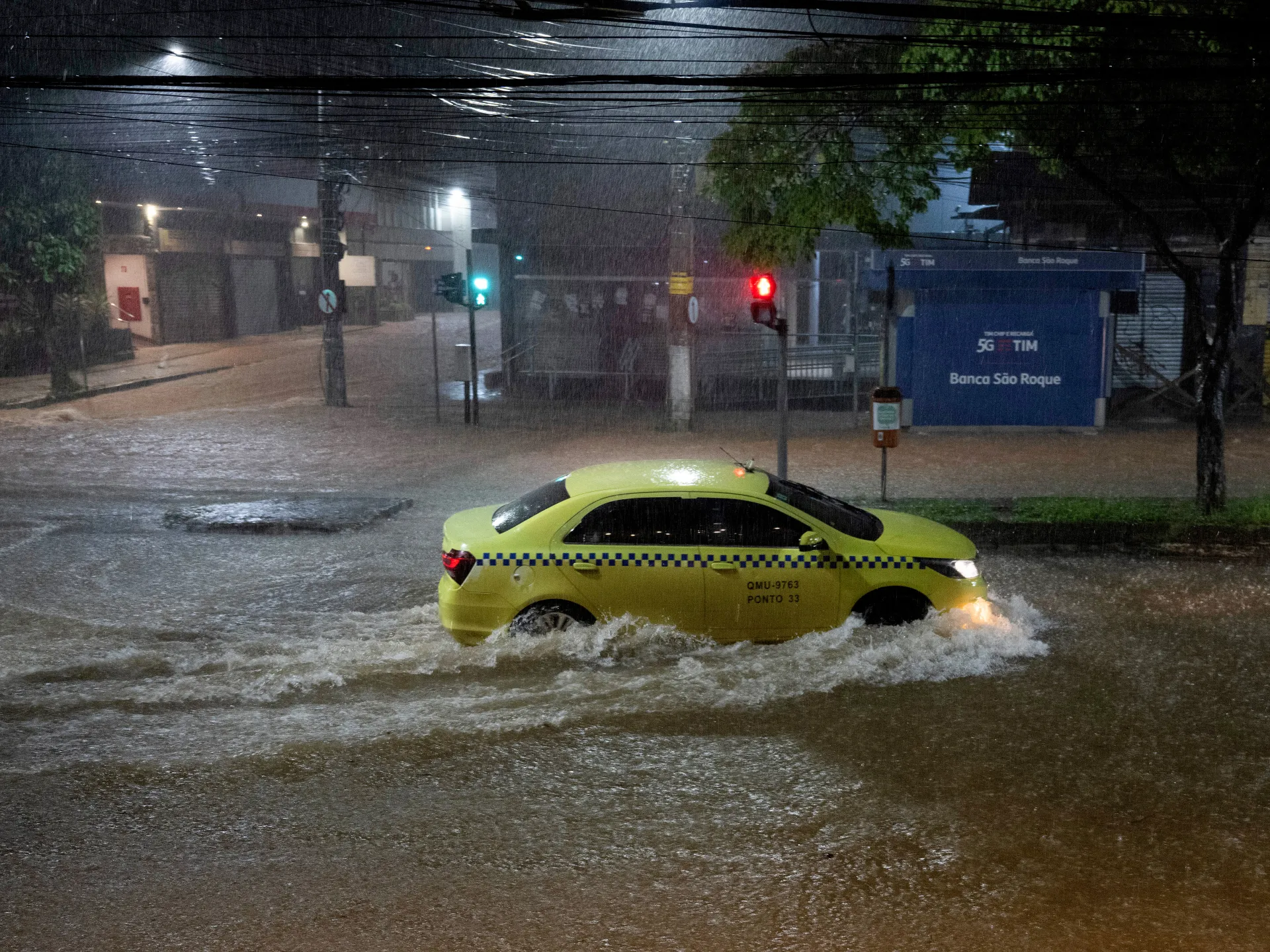
Communities across Northeastern Brazil are reeling from the impact of intense rainfall, which has led to fatalities and the massive displacement of residents. Recent heavy downpours have subjected states like Pernambuco and Paraíba to significant environmental stress, prompting emergency responses from local and federal agencies. The situation underscores a growing pattern of climatic instability affecting the region.
Official reports confirm that at least six individuals have perished due to the adverse weather conditions across the affected areas. In Pernambuco, the capital city of Recife reported substantial flooding and instances of landslides, resulting in confirmed deaths and requiring the evacuation of approximately 1,500 people. Meanwhile, Paraíba, with its capital João Pessoa and the area of Campina Grande among the most impacted zones, also recorded multiple fatalities and another 1,500 displaced persons.
The Escalating Context of Climate Hazards
The scale of this disaster is occurring against a backdrop of intensifying climate patterns. Analysis of past environmental data reveals a concerning trend: major rainfall-related disasters, encompassing both flash floods and ground instability, have shown a tripling of frequency in Brazil over the last three decades, between 1991 and 2023. This historical data suggests that extreme weather events are becoming a more regular and potent threat to the nation’s infrastructure and population centers.
Government Response and Warning Status
In response to the unfolding crisis, disaster management authorities elevated the alert level to maximum warning status across the region. During the peak of the inclement weather, a high volume of emergency alerts were issued. While conditions reportedly began to moderate over the weekend, authorities maintain a strict posture of vigilance. High-level government figures have publicly acknowledged the severity of the situation, committing federal resources and monitoring efforts to ensure that necessary assistance reaches the most vulnerable populations.
The Challenge of Resilience
The continuous recurrence of such severe weather highlights a critical challenge for regional development. Managing the immediate aftermath—including rescue operations and providing shelter for thousands—is compounded by the underlying scientific reality of increased climate volatility. This ongoing cycle of intense rainfall, flooding, and resulting humanitarian crises demands more robust, proactive infrastructural planning and enhanced early warning systems to protect densely populated areas in the face of an unpredictable climate future.
About the Author




