Labour’s Path Forward: Ex-Premier Advises Policy Clarity Over Personnel Battles
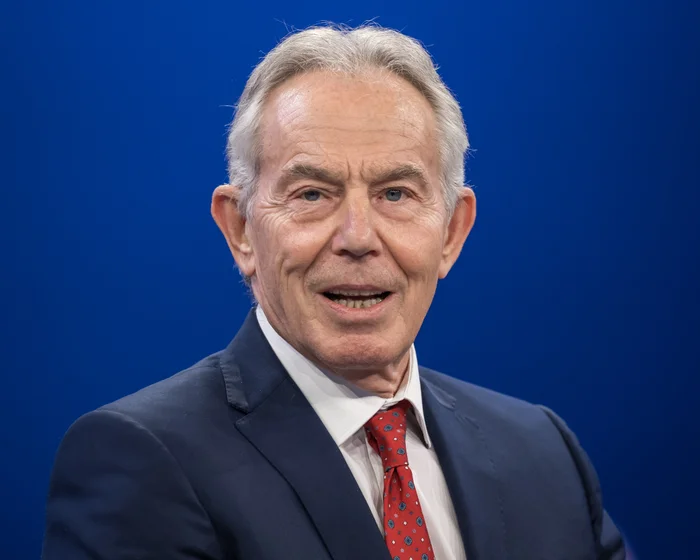
Following recent internal leadership discussions within the Labour party, former Prime Minister Tony Blair has weighed in, suggesting that the party’s immediate focus should shift decisively from internal contests to articulating a coherent, unified policy vision. Blair’s intervention emphasizes that any potential leadership change must be preceded by a comprehensive, detailed airing of policy positions among all candidates. According to his statements, this groundwork is necessary to define a clear path for the party, rather than allowing leadership speculation to overshadow substantive political strategy.
The former leader offered direct counsel to the parliamentary party, advising that before settling on a successor, the focus must be on policy substance. He urged all contenders to meticulously outline what current government policies have succeeded, where they have failed, and what tangible alternative strategies should be adopted. This suggests a deep-seated belief that presenting a unified, actionable platform is the most critical element for the party’s success in the current political climate.
What This Means: Re-centering the Narrative on Economics
Blair’s commentary underscores a strategic pivot toward economic pragmatism and growth. His remarks signal a preference for policy stances that prioritize supporting the business sector and aggressively navigating the transformative potential—and dangers—of artificial intelligence. By repeatedly urging a focus on ‘growth’ and the ‘business sector,’ he is advocating for a policy agenda that downplays expansive state commitments, particularly during periods of economic difficulty. This viewpoint contrasts sharply with policies that might be considered aspirational during times of plenty.
Background and Context: The Weight of Past Commitments
Throughout his address, Blair reflected on the difficulties of implementing sweeping policy changes, acknowledging that while certain social or environmental goals hold immense value, their feasibility must be weighed against immediate economic realities. He pointed to the necessity of robust preparations when making significant policy shifts, suggesting that simply declaring commitments during easier times does not equate to actionable success when facing challenging economic headwinds. His overall message implies that for Labour to be electorally successful, it must prove it has a grounded, economically sensible plan that resonates with business interests while addressing modern technological shifts.
About the Author