Spain’s Political Climate Deteriorates Amid Law Enforcement Actions and Leadership Scrutiny
The political landscape in Spain is undergoing a period of intense scrutiny, marked by law enforcement actions targeting major political entities. Reports indicate that police operations have been conducted at the headquarters of a major left-wing political party. These actions suggest ongoing investigations into concerns regarding influence peddling and potential corruption, casting a noticeable shadow over the governing parties.
This increased focus from authorities emerges as the nation navigates growing internal political challenges. The situation points to a period where governance and political maneuvering are being closely examined through a legal and investigative lens. The events highlight a significant divergence between the public-facing duties of the government and the internal pressures facing key political figures.
The Significance for Governance and Stability
The nature of these investigations underscores a palpable tension within the ruling political structures. When established political offices become focal points for police searches, it signals that the allegations under review are substantial and are moving beyond mere political rhetoric into tangible legal matters. The outcome of such investigations will likely have significant repercussions for the current administration’s stability and the broader trajectory of national policy.
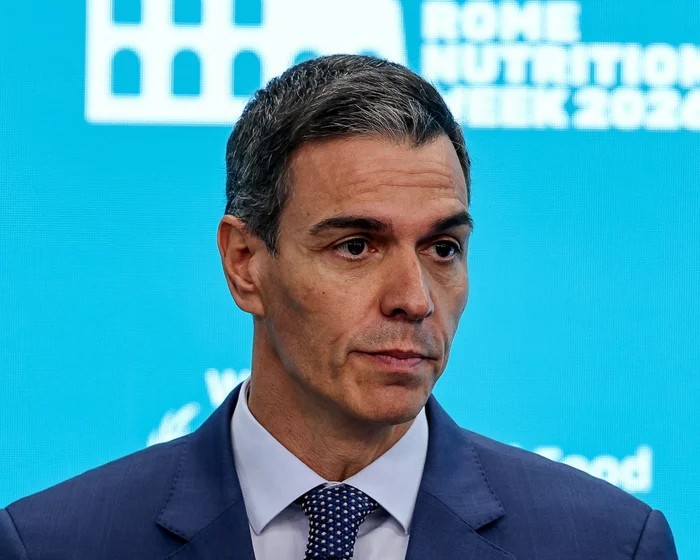
Furthermore, the political spotlight is intensely focused on the head of government, Pedro Sánchez. His recent international engagements, including a scheduled meeting with the Pope, suggest an effort to project stability and diplomatic continuity, even as domestic political currents appear turbulent. These high-profile diplomatic movements attempt to counterbalance the internal political uncertainties by emphasizing international ties and institutional legitimacy.
Context of International Engagements
Amid the domestic political unrest, the scheduling of high-level visits, such as the planned papal visit to Spain, adds a layer of complexity to the political narrative. These international interactions serve to place the country—and by extension, its leadership—on a global stage. Such events draw attention away from internal friction, emphasizing the nation’s cultural and diplomatic standing, even while internal political mechanisms face intense questioning.
Implications for the Future Political Environment
Collectively, these developments paint a picture of a political system under duress. The combination of investigative police action against party leadership and the simultaneous need for the prime minister to manage high-stakes international relations suggests a government operating under dual pressure. The electorate and political observers will be keenly watching how the leadership manages the fallout from the internal investigations while maintaining international credibility and steering the country through its immediate policy goals.
About the Author




