Legal Dispute Over Free Speech Rights of International Official Intensifies
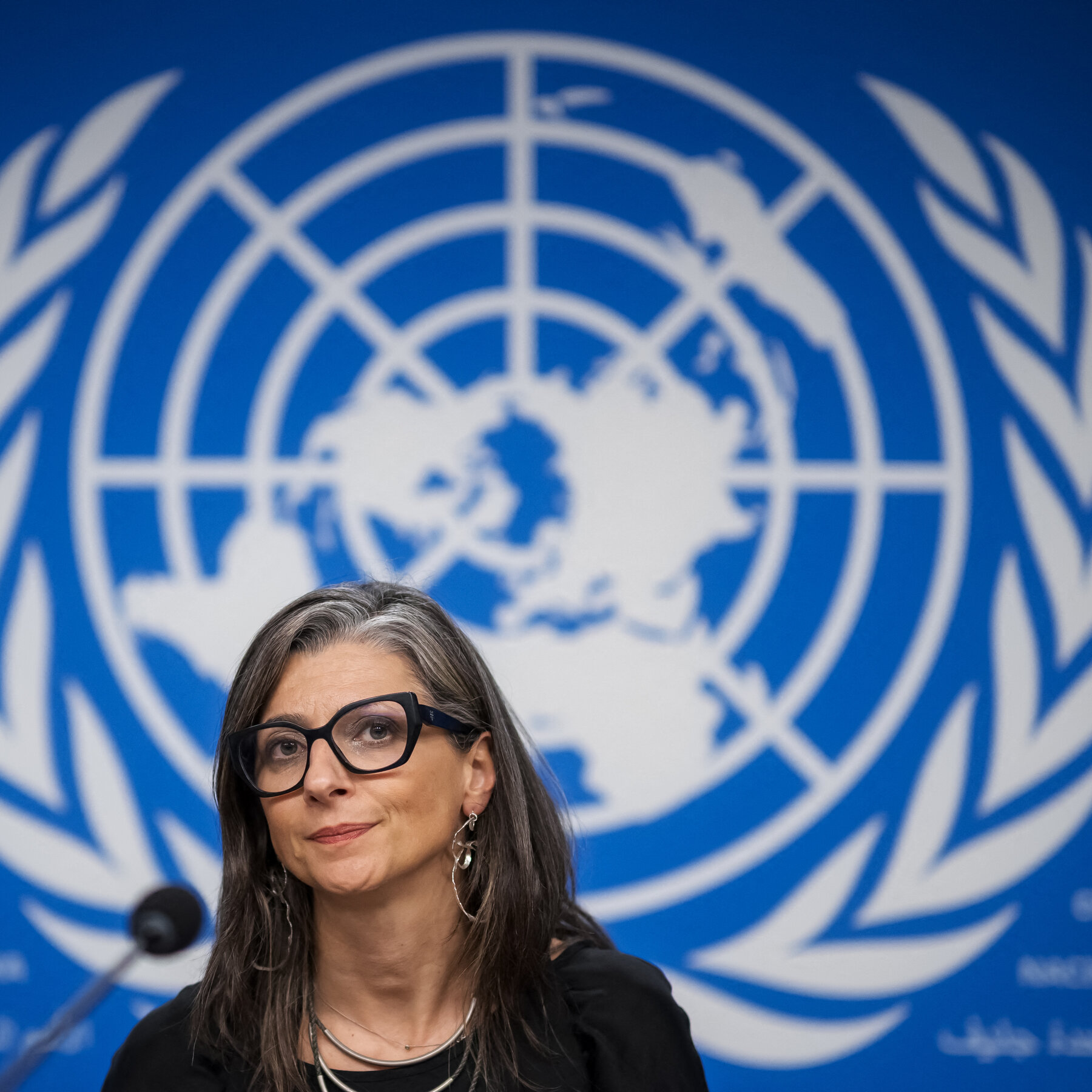
A significant legal challenge is underway concerning the sanctions imposed on an official from a United Nations body. The core issue revolves around allegations that the punitive measures were enacted in retaliation for public commentary regarding geopolitical conflicts, specifically criticisms directed at Israel. The official in question has found a degree of preliminary success in court, establishing a point of contention that the government has subsequently appealed.
This ongoing legal contest signals a broader tension between state-level accountability measures and the internationally recognized right to free expression. The fact that the government has chosen to appeal a ruling suggests a deep disagreement with the initial judicial assessment regarding the proportionality and justification of the penalties levied against the individual for their vocal dissent.
Analyzing the Legal Implications and Impact
The dispute carries considerable weight for international jurisprudence. If the judicial findings protecting the official’s speech rights are upheld, it would establish a potentially significant precedent, suggesting that professional critique of state actions, even those involving major geopolitical players, cannot be easily criminalized or penalized through administrative sanctions. Conversely, if the government’s appeal succeeds, it could signal an increasing trend of using sanctions as a mechanism to silence dissenting voices within global governance structures.
The significance here extends beyond the immediate case. It touches upon the delicate balance between the authority a global organization can exert over its members and the fundamental civil liberties these members possess. The outcome could influence how international bodies manage dissent, potentially leading to revised guidelines or reaffirming existing protections for critical voices.
Historical Context of Such Disputes
Throughout history, prominent figures operating in international forums have faced pressure when their commentary challenges established narratives or powerful political blocs. These situations often become flashpoints where the principles of universal human rights clash directly with the mandates of national security or diplomatic consensus. The context of such conflicts demands careful legal scrutiny to ensure that criticism is not mistaken for incitement or grounds for punitive action.
Official statements indicate that the proceedings are currently focused on the legal interpretation of the sanctioning body’s authority versus the recognized freedoms afforded to speech. Legal experts observing the case point out that the distinction between legitimate, robust criticism and actions that violate established operational guidelines is the most critical element the courts must determine. The appeal mechanism indicates that the underlying legal questions—rather than just the facts of the comments—remain highly contested in the legal arena.
What This Means for Global Discourse
For observers of international law, this case serves as a high-profile marker in the continuous debate surrounding the boundaries of permitted speech in high-stakes international policy discussions. The legal battles reaffirm that even highly respected global bodies are subject to judicial review regarding their disciplinary actions. Ultimately, the case underscores the enduring importance of independent judicial oversight when foundational rights, like free expression, are deemed vulnerable to governmental or institutional overreach.
About the Author