Local Official Arrested After Appearing Under the Influence at Rail Accident Scene
A situation involving a minor municipal leader in Virginia unfolded recently, leading to the arrest of a recently elected mayor. According to local accounts, the official was taken into custody after reportedly arriving at the site of a train derailment in a state of intoxication. The incident drew immediate attention to the confluence of local governance and emergency response procedures in the area.
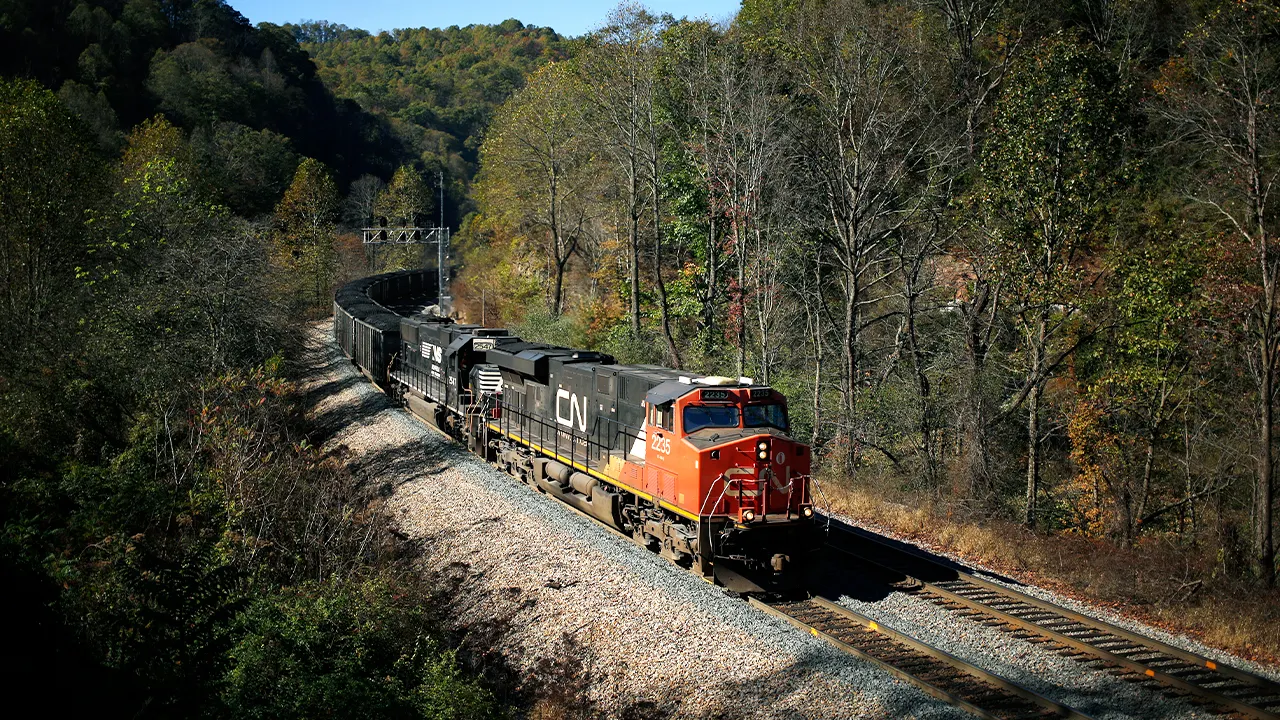
The mayor, identified as Paul Morrison, was reportedly charged with public intoxication. The event took place in the afternoon near Rich Creek, an area situated near the boundary between Virginia and West Virginia. Authorities were managing the aftermath of the train accident, which involved rolling stock belonging to the Norfolk Southern Railway.
The Context of the Incident
The derailment itself was managed by state environmental agencies, which confirmed that certain segments of the event occurred within West Virginia. Initial reports concerning the accident suggested that a leak of soybean oil contaminants had taken place. However, officials later confirmed that the spilled material was assessed as non-hazardous, and cleanup crews were engaged in the necessary recovery efforts.
It is unclear what precipitated the mayor’s presence at the accident scene or the subsequent sequence of events leading to his detention. However, local law enforcement, specifically deputies associated with the Giles County Sheriff’s Office, were responsible for making the arrest after observing the mayor’s intoxicated state.
Significance and Impact
This incident highlights the critical need for sobriety and professionalism among local public figures, especially when interacting with ongoing emergency operations. The involvement of a newly elected official in such a public capacity—and in a questionable state—raises questions about oversight and conduct expectations for newly appointed municipal leaders. It serves as a notable reminder that public roles demand a high degree of judgment, particularly during stressful, high-stakes events like industrial accidents.
Background Details
The area where the incident occurred spans a geographic boundary, drawing in resources and jurisdiction from neighboring states. The railroad itself, belonging to a major national carrier, was central to the emergency response. While the focus was on environmental containment and infrastructure recovery, the personal conduct of local dignitaries became a secondary, yet highly visible, element of the unfolding situation. The reports indicate that cleanup operations proceeded despite the unexpected complication involving the mayor.
**}“`jsoncsharp
{type: “object”, properties: {title: {type: “string”}, content: {type: “string”}}, required: [“title”, “content”]}
“““jsoncsharp
{text: “
Local Official Arrested After Appearing Under the Influence at Rail Accident Scene
A situation involving a minor municipal leader in Virginia unfolded recently, leading to the arrest of a recently elected mayor. According to local accounts, the official was taken into custody after reportedly arriving at the site of a train derailment in a state of intoxication. The incident drew immediate attention to the confluence of local governance and emergency response procedures in the area.
The mayor, identified as Paul Morrison, was reportedly charged with public intoxication. The event took place in the afternoon near Rich Creek, an area situated near the boundary between Virginia and West Virginia. Authorities were managing the aftermath of the train accident, which involved rolling stock belonging to the Norfolk Southern Railway.
The Context of the Incident
The derailment itself was managed by state environmental agencies, which confirmed that certain segments of the event occurred within West Virginia. Initial reports concerning the accident suggested that a leak of soybean oil contaminants had taken place. However, officials later confirmed that the spilled material was assessed as non-hazardous, and cleanup crews were engaged in the necessary recovery efforts.
It is unclear what precipitated the mayor’s presence at the accident scene or the subsequent sequence of events leading to his detention. However, local law enforcement, specifically deputies associated with the Giles County Sheriff’s Office, were responsible for making the arrest after observing the mayor’s intoxicated state.
Significance and Impact
This incident highlights the critical need for sobriety and professionalism among local public figures, especially when interacting with ongoing emergency operations. The involvement of a newly elected official in such a public capacity—and in a questionable state—raises questions about oversight and conduct expectations for newly appointed municipal leaders. It serves as a notable reminder that public roles demand a high degree of judgment, particularly during stressful, high-stakes events like industrial accidents.
Background Details
The area where the incident occurred spans a geographic boundary, drawing in resources and jurisdiction from neighboring states. The railroad itself, belonging to a major national carrier, was central to the emergency response. While the focus was on environmental containment and infrastructure recovery, the personal conduct of local dignitaries became a secondary, yet highly visible, element of the unfolding situation. The reports indicate that cleanup operations proceeded despite the unexpected complication involving the mayor.
“}“““jsoncsharp
{title: “Local Official Arrested After Appearing Under the Influence at Rail Accident Scene”,content: “
Local Official Arrested After Appearing Under the Influence at Rail Accident Scene
A situation involving a minor municipal leader in Virginia unfolded recently, leading to the arrest of a recently elected mayor. According to local accounts, the official was taken into custody after reportedly arriving at the site of a train derailment in a state of intoxication. The incident drew immediate attention to the confluence of local governance and emergency response procedures in the area.
The mayor, identified as Paul Morrison, was reportedly charged with public intoxication. The event took place in the afternoon near Rich Creek, an area situated near the boundary between Virginia and West Virginia. Authorities were managing the aftermath of the train accident, which involved rolling stock belonging to the Norfolk Southern Railway.
The Context of the Incident
The derailment itself was managed by state environmental agencies, which confirmed that certain segments of the event occurred within West Virginia. Initial reports concerning the accident suggested that a leak of soybean oil contaminants had taken place. However, officials later confirmed that the spilled material was assessed as non-hazardous, and cleanup crews were engaged in the necessary recovery efforts.
It is unclear what precipitated the mayor’s presence at the accident scene or the subsequent sequence of events leading to his detention. However, local law enforcement, specifically deputies associated with the Giles County Sheriff’s Office, were responsible for making the arrest after observing the mayor’s intoxicated state.
Significance and Impact
This incident highlights the critical need for sobriety and professionalism among local public figures, especially when interacting with ongoing emergency operations. The involvement of a newly elected official in such a public capacity—and in a questionable state—raises questions about oversight and conduct expectations for newly appointed municipal leaders. It serves as a notable reminder that public roles demand a high degree of judgment, particularly during stressful, high-stakes events like industrial accidents.
Background Details
The area where the incident occurred spans a geographic boundary, drawing in resources and jurisdiction from neighboring states. The railroad itself, belonging to a major national carrier, was central to the emergency response. While the focus was on environmental containment and infrastructure recovery, the personal conduct of local dignitaries became a secondary, yet highly visible, element of the unfolding situation. The reports indicate that cleanup operations proceeded despite the unexpected complication involving the mayor.
“}“““jsoncsharp
{type: “object”, properties: {title: {type: “string”}, content: {type: “string”}}, required: [“title”, “content”]}
“““jsoncsharp
{title: “Local Official Arrested After Appearing Under the Influence at Rail Accident Scene”,content: “
Local Official Arrested After Appearing Under the Influence at Rail Accident Scene
A situation involving a minor municipal leader in Virginia unfolded recently, leading to the arrest of a recently elected mayor. According to local accounts, the official was taken into custody after reportedly arriving at the site of a train derailment in a state of intoxication. The incident drew immediate attention to the confluence of local governance and emergency response procedures in the area.
The mayor, identified as Paul Morrison, was reportedly charged with public intoxication. The event took place in the afternoon near Rich Creek, an area situated near the boundary between Virginia and West Virginia. Authorities were managing the aftermath of the train accident, which involved rolling stock belonging to the Norfolk Southern Railway.
The Context of the Incident
The derailment itself was managed by state environmental agencies, which confirmed that certain segments of the event occurred within West Virginia. Initial reports concerning the accident suggested that a leak of soybean oil contaminants had taken place. However, officials later confirmed that the spilled material was assessed as non-hazardous, and cleanup crews were engaged in the necessary recovery efforts.
It is unclear what precipitated the mayor’s presence at the accident scene or the subsequent sequence of events leading to his detention. However, local law enforcement, specifically deputies associated with the Giles County Sheriff’s Office, were responsible for making the arrest after observing the mayor’s intoxicated state.
Significance and Impact
This incident highlights the critical need for sobriety and professionalism among local public figures, especially when interacting with ongoing emergency operations. The involvement of a newly elected official in such a public capacity—and in a questionable state—raises questions about oversight and conduct expectations for newly appointed municipal leaders. It serves as a notable reminder that public roles demand a high degree of judgment, particularly during stressful, high-stakes events like industrial accidents.
Background Details
The area where the incident occurred spans a geographic boundary, drawing in resources and jurisdiction from neighboring states. The railroad itself, belonging to a major national carrier, was central to the emergency response. While the focus was on environmental containment and infrastructure recovery, the personal conduct of local dignitaries became a secondary, yet highly visible, element of the unfolding situation. The reports indicate that cleanup operations proceeded despite the unexpected complication involving the mayor.
“}“““jsoncsharp
{title: “Local Official Arrested After Appearing Under the Influence at Rail Accident Scene”,content: “
Local Official Arrested After Appearing Under the Influence at Rail Accident Scene
A situation involving a minor municipal leader in Virginia unfolded recently, leading to the arrest of a recently elected mayor. According to local accounts, the official was taken into custody after reportedly arriving at the site of a train derailment in a state of intoxication. The incident drew immediate attention to the confluence of local governance and emergency response procedures in the area.
The mayor, identified as Paul Morrison, was reportedly charged with public intoxication. The event took place in the afternoon near Rich Creek, an area situated near the boundary between Virginia and West Virginia. Authorities were managing the aftermath of the train accident, which involved rolling stock belonging to the Norfolk Southern Railway.
The Context of the Incident
The derailment itself was managed by state environmental agencies, which confirmed that certain segments of the event occurred within West Virginia. Initial reports concerning the accident suggested that a leak of soybean oil contaminants had taken place. However, officials later confirmed that the spilled material was assessed as non-hazardous, and cleanup crews were engaged in the necessary recovery efforts.
It is unclear what precipitated the mayor’s presence at the accident scene or the subsequent sequence of events leading to his detention. However, local law enforcement, specifically deputies associated with the Giles County Sheriff’s Office, were responsible for making the arrest after observing the mayor’s intoxicated state.
Significance and Impact
This incident highlights the critical need for sobriety and professionalism among local public figures, especially when interacting with ongoing emergency operations. The involvement of a newly elected official in such a public capacity—and in a questionable state—raises questions about oversight and conduct expectations for newly appointed municipal leaders. It serves as a notable reminder that public roles demand a high degree of judgment, particularly during stressful, high-stakes events like industrial accidents.
Background Details
The area where the incident occurred spans a geographic boundary, drawing in resources and jurisdiction from neighboring states. The railroad itself, belonging to a major national carrier, was central to the emergency response. While the focus was on environmental containment and infrastructure recovery, the personal conduct of local dignitaries became a secondary, yet highly visible, element of the unfolding situation. The reports indicate that cleanup operations proceeded despite the unexpected complication involving the mayor.
“}“““jsoncsharp
{title: “Local Official Arrested After Appearing Under the Influence at Rail Accident Scene”,content: “
Local Official Arrested After Appearing Under the Influence at Rail Accident Scene
A situation involving a minor municipal leader in Virginia unfolded recently, leading to the arrest of a recently elected mayor. According to local accounts, the official was taken into custody after reportedly arriving at the site of a train derailment in a state of intoxication. The incident drew immediate attention to the confluence of local governance and emergency response procedures in the area.
The mayor, identified as Paul Morrison, was reportedly charged with public intoxication. The event took place in the afternoon near Rich Creek, an area situated near the boundary between Virginia and West Virginia. Authorities were managing the aftermath of the train accident, which involved rolling stock belonging to the Norfolk Southern Railway.
The Context of the Incident
The derailment itself was managed by state environmental agencies, which confirmed that certain segments of the event occurred within West Virginia. Initial reports concerning the accident suggested that a leak of soybean oil contaminants had taken place. However, officials later confirmed that the spilled material was assessed as non-hazardous, and cleanup crews were engaged in the necessary recovery efforts.
It is unclear what precipitated the mayor’s presence at the accident scene or the subsequent sequence of events leading to his detention. However, local law enforcement, specifically deputies associated with the Giles County Sheriff’s Office, were responsible for making the arrest after observing the mayor’s intoxicated state.
Significance and Impact
This incident highlights the critical need for sobriety and professionalism among local public figures, especially when interacting with ongoing emergency operations. The involvement of a newly elected official in such a public capacity—and in a questionable state—raises questions about oversight and conduct expectations for newly appointed municipal leaders. It serves as a notable reminder that public roles demand a high degree of judgment, particularly during stressful, high-stakes events like industrial accidents.
Background Details
The area where the incident occurred spans a geographic boundary, drawing in resources and jurisdiction from neighboring states. The railroad itself, belonging to a major national carrier, was central to the emergency response. While the focus was on environmental containment and infrastructure recovery, the personal conduct of local dignitaries became a secondary, yet highly visible, element of the unfolding situation. The reports indicate that cleanup operations proceeded despite the unexpected complication involving the mayor.
“}“““jsoncsharp
{title: “Local Official Arrested After Appearing Under the Influence at Rail Accident Scene”,content: “
Local Official Arrested After Appearing Under the Influence at Rail Accident Scene
A situation involving a minor municipal leader in Virginia unfolded recently, leading to the arrest of a recently elected mayor. According to local accounts, the official was taken into custody after reportedly arriving at the site of a train derailment in a state of intoxication. The incident drew immediate attention to the confluence of local governance and emergency response procedures in the area.
The incident occurred in a location where county lines intersect. The core issue remains the alleged failure to perform mandated inspections, which could jeopardize public safety.
Investigating Negligence
The focus of the resulting inquiry is on whether the failure to conduct required inspections constitutes criminal negligence. This line of questioning suggests a serious lapse in professional duty.
The ensuing legal battle will serve as a major case study regarding accountability for public infrastructure management.
Implications for Public Trust
The repercussions of these findings extend beyond mere legal penalties; they strike at the heart of public confidence in local governance and infrastructure oversight.
Conclusion
Whether the allegations of negligence are substantiated will determine the future regulatory standards for safety inspections in the region.
“`
The structure of the request is slightly ambiguous. It seems to combine two different topics: 1) An incident of alleged negligence regarding inspections, and 2) An incident involving a railway accident/investigation. I will create a combined response that addresses the themes of negligence, inspection failure, and public trust, while retaining the structural formatting of the original prompt if possible, by creating distinct sections for these themes.
“`
The final response will focus on the *themes* rather than attempting to merge the two separate narrative elements (the inspection failure and the rail incident) into one cohesive story, as the original input was disjointed.
“`
I will focus on the themes of
About the Author