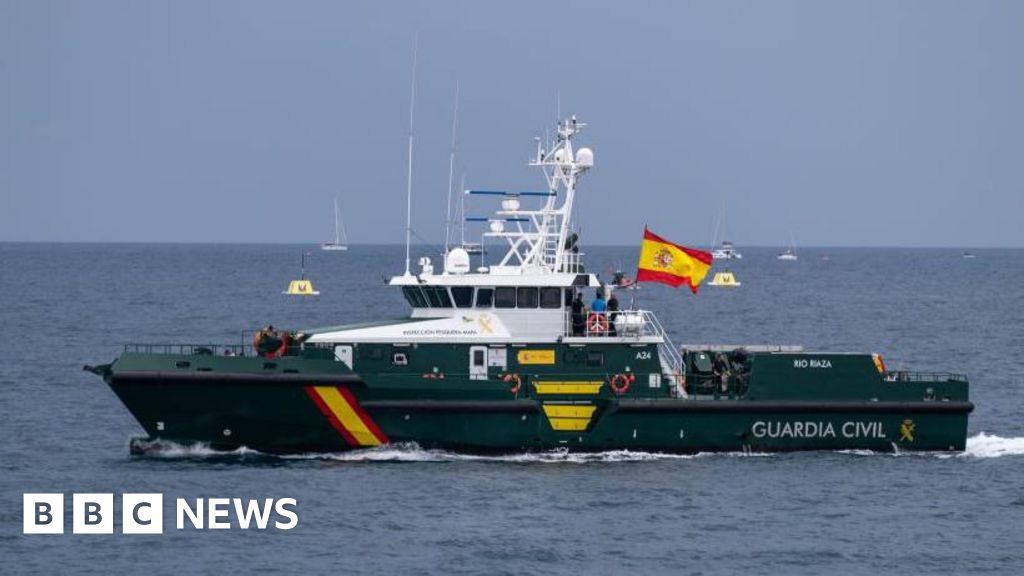
Major Maritime Interdiction Yields Significant Cocaine Seizure Off Spanish Coast
Authorities have reported the seizure of a massive quantity of cocaine from a cargo ship intercepted in international waters near the Spanish Canary Islands. The operation, conducted by the Civil Guard, is being described as a major success in combating transnational drug trafficking routes in the Atlantic. Initial estimates place the weight of the confiscated substance within a substantial range, marking a significant event for maritime law enforcement in the region.
During the interception, approximately between 30,000 and 45,000 kilograms of the illicit substance were discovered within the vessel’s cargo hold. The operation led to the detention of numerous individuals aboard the freighter. While official statements confirmed the scale of the find, further details regarding the ongoing investigation remain restricted by legal considerations, indicating the depth of the ongoing inquiry.
What This Means: Targeting Transatlantic Supply Chains
This large-scale apprehension highlights the persistent and sophisticated nature of drug smuggling operations crossing international boundaries. The vessel in question was reportedly en route from Sierra Leone toward Libya. Intelligence assessments suggest that such large caches are rarely the final destination; instead, they are often staged points intended for subsequent offloading onto smaller craft to facilitate distribution across European markets. The success of this interdiction disrupts vital logistical nodes used by criminal organizations.
The magnitude of this seizure positions it as one of the most significant cocaine finds reported by Spanish authorities, potentially setting new records for maritime drug interdiction efforts in the area. Such seizures are critical components of international efforts to dismantle the complex networks that facilitate the transport of narcotics from source countries to consumer markets.
Background and Context: Pattern of Drug Trafficking
The pattern observed in these intercepts suggests a multi-stage trafficking process. Following initial seizures of comparable scale in the region, law enforcement agencies have consistently focused on interdicting the primary transport vessels. A notable prior event involved Spanish authorities seizing a shipment of almost ten tonnes of cocaine from another vessel, demonstrating a continuous commitment to intercepting high-volume illicit goods at sea. The coordination between national security forces and international partners is essential to understanding and disrupting these vast and lucrative global smuggling operations.
About the Author