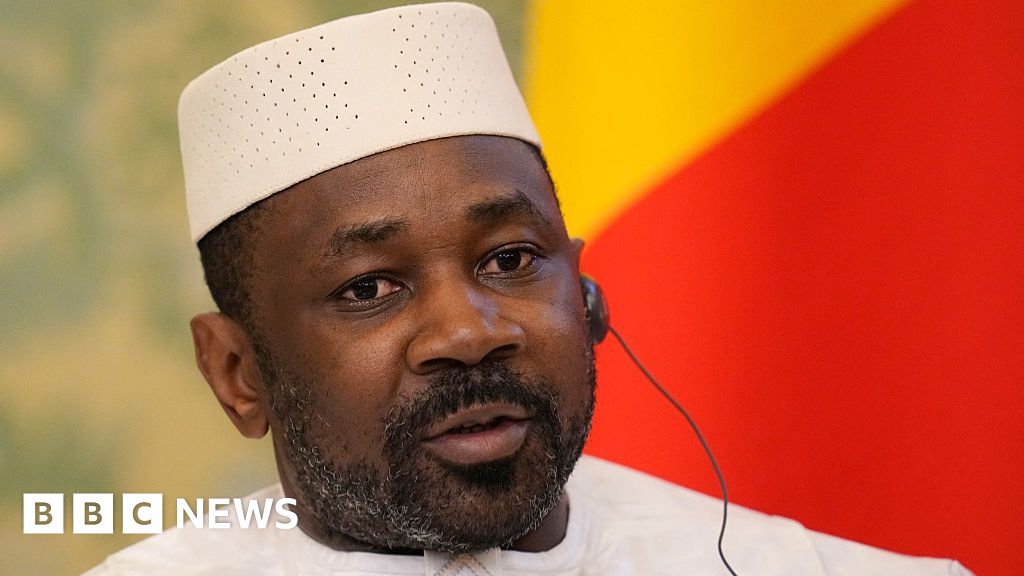
Malian Junta Leader Assumes Dual Roles Amid Heightened Instability
The leadership structure in Mali has undergone a significant shift as the nation navigates escalating security threats. General Assimi Goïta, the country’s military head, has assumed the duties of Defence Minister following the demise of his predecessor. This sudden consolidation of roles places Goïta at the nexus of both the presidency and the nation’s defense apparatus, a move that political observers suggest is an effort to centralize authority during a time when the governing body’s stability is being tested.
These developments occur against a backdrop of sustained regional turmoil. Mali has been dealing with the aftermath of widespread, coordinated attacks launched by a coalition of militant and separatist elements. The scale of the recent offensive has raised serious questions regarding the resilience and command structure of the ruling military government, which initially seized power in 2020.
What This Means: A Shift Toward Centralized Control
Goïta’s assumption of the defense portfolio immediately signals an increased focus on national security and a tightening of executive control. By merging the roles of Commander-in-Chief and Defence Minister, the leadership aims to streamline decision-making and present a unified front to both domestic populations and international partners. This consolidation underscores the severity of the ongoing internal and border security challenges, suggesting that the military regime perceives a need for absolute centralized authority to manage the crisis.
Background and Context: A Region Under Strain
The current climate of instability is rooted in coordinated militant and separatist actions that struck numerous towns and cities across Mali. These attacks led to significant operational setbacks, including the withdrawal of international and allied forces from northern centers. In response to the deep security vacuum, the Malian authorities have initiated cross-border military cooperation. Furthermore, the nation, alongside neighboring countries, has taken decisive steps to alter its foreign military partnerships, cementing regional alliances while significantly reducing the influence of former colonial powers.
Official reports have indicated the detention of several military personnel suspected of complicity in the recent widespread disruptive activities. To bolster its defensive posture, Mali has reportedly coordinated joint air operations with its neighbors. This alignment of three militarily governed states reflects a shared strategic pivot aimed at stabilizing the Sahel region against persistent extremist groups and separatist insurgencies.
About the Author