UK Launches Major Maritime Interception of Russian Oil Vessel in English Channel
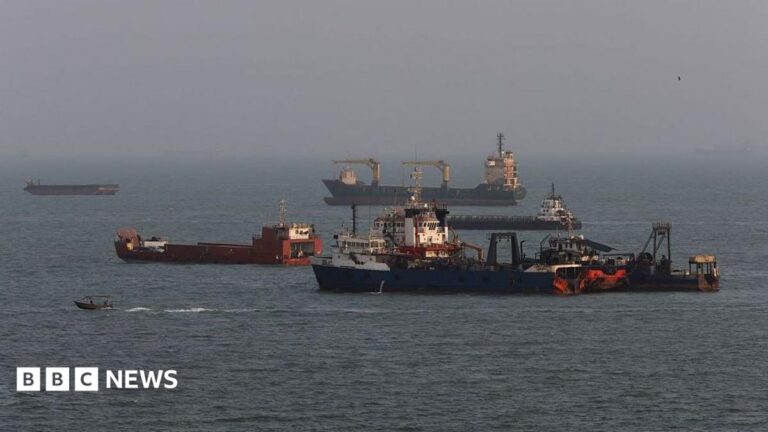
British military personnel executed a significant naval operation early Sunday morning, successfully intercepting an oil tanker believed to be associated with Russia’s maritime shipping network. The deployment marked a notable occasion, representing the first time the United Kingdom had spearheaded a vessel seizure of this nature since the conflict in Ukraine began. The targeted vessel was reportedly in the process of transferring oil from a Russian origin point toward a destination in India.
The intervention involved specialized units, with footage circulating showing heavily armed commandos boarding the oil-laden tanker while it navigated waters near the Isle of Wight. This action, overseen by British authorities in coordination with domestic agencies, signifies a proactive and tangible effort to disrupt global energy flows linked to Russia. Officials speaking on the matter described the operation as a substantial strategic victory in the ongoing international efforts to pressure the Kremlin.
Implications for Global Energy Trade and Security
The seizure of such a large vessel has immediate ramifications for the global commodities market and international energy security. By targeting this ‘shadow fleet’ of tankers, which are known to circumvent established sanctions regimes, the authorities are aiming to disrupt crucial revenue streams that sustain the Russian economy. Such interventions force recalibrations in global shipping routes and insurance underwriting, adding complexity and cost to any maritime trade that relies on circumvention.
The ability of the UK to conduct such a sophisticated and overt operation underscores a commitment to maintaining international maritime law and imposing economic pressure through physical means. It sends a clear signal regarding the consequences of engaging in illicit trade associated with sanctioned regimes.
Context of Shadow Fleets and Sanctions Evasion
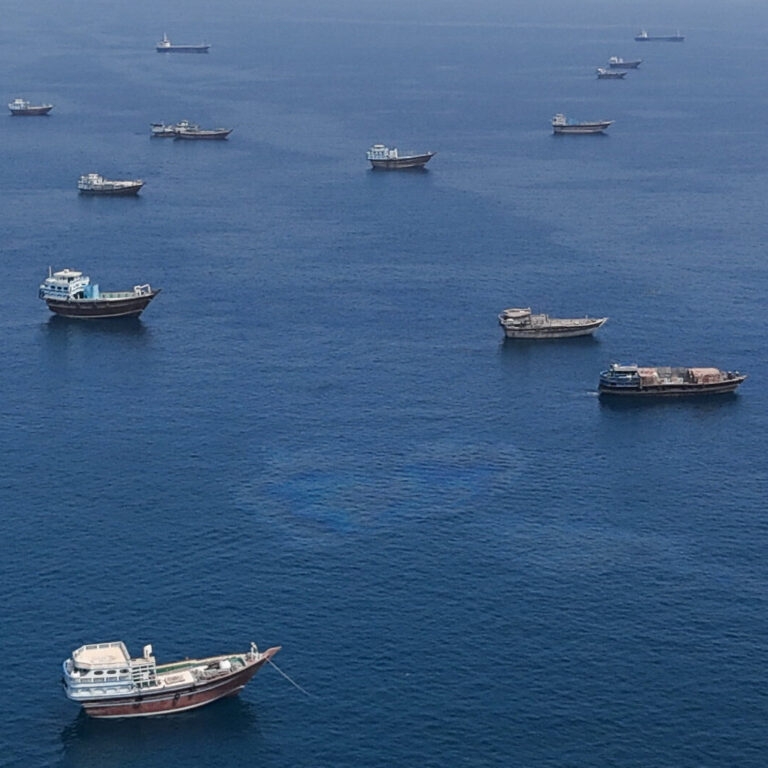
The concept of ‘shadow fleets’ refers to networks of ships and vessels that operate outside of transparent, regulated shipping lanes and are frequently used to move sanctioned goods. Following widespread international sanctions, these ad-hoc maritime structures have become critical conduits for bypassing restrictions placed on Russian resources. These tankers, often operating with minimal official visibility, pose a significant challenge to international regulators and security forces.
The nature of the capture suggests that the UK government views such vessels not merely as cargo transporters, but as instruments of geopolitical influence and illicit finance. Successfully interdicting one of these vessels demonstrates a coordinated effort utilizing naval capabilities alongside domestic investigative agencies to enforce global compliance measures.
About the Author