Major Transit Disruption After Work Vehicle Strikes Train on D.C.’s Silver Line
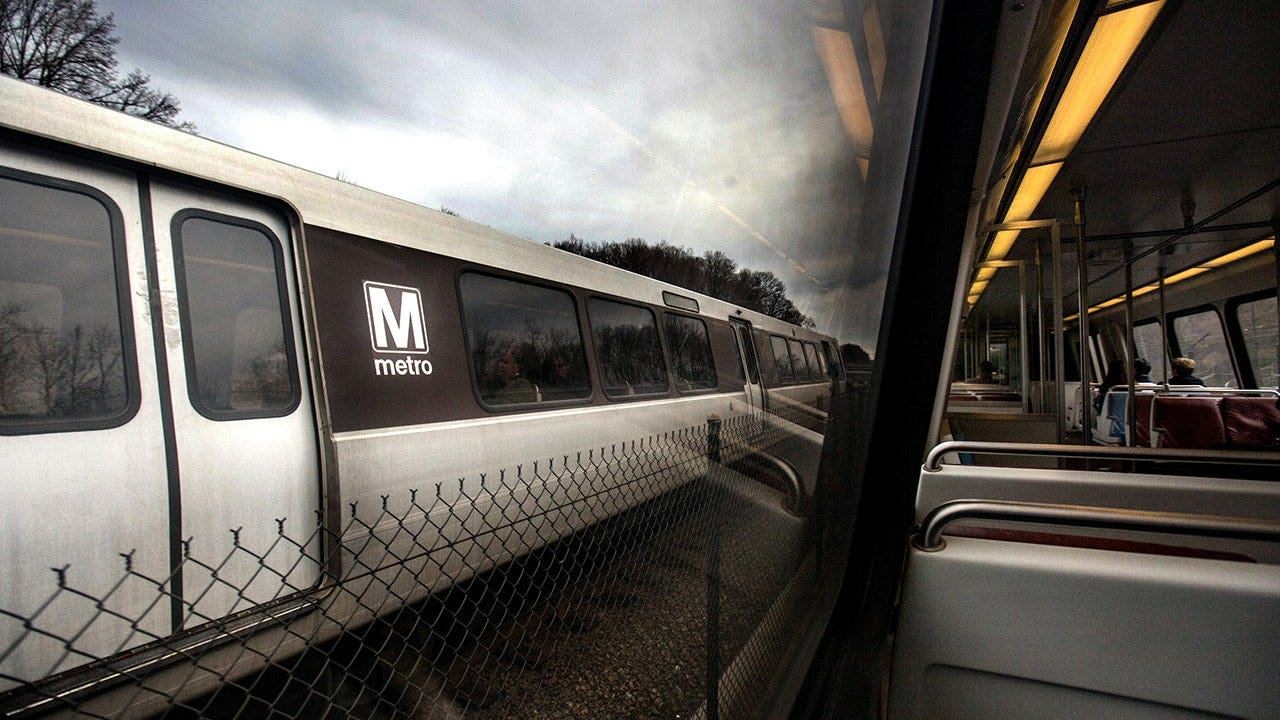
A significant transit incident unfolded early on a recent Wednesday in Washington, D.C., when a utility or work vehicle collided with a stationary train. The collision, which occurred in the pre-dawn hours, resulted in multiple injuries and immediately caused extensive travel chaos across the capital’s major rail network. Authorities were quickly mobilized to manage the aftermath, leading to substantial service interruptions that gripped commuters throughout the morning rush period.
The disruption was particularly acute on the Silver Line, a vital segment of the Washington Metropolitan Area Transit Authority’s (WMATA) system. Eleven individuals required medical attention following the crash; however, officials confirmed that the injuries sustained were not life-threatening. In response to the necessary shutdowns and limited service, transit operators directed thousands of passengers to utilize alternative routes and transfer to other lines, severely impacting the flow of people moving across the city.
What This Means: Immediate Commuter Impact
The immediate fallout of the incident was a widespread gridlock of travel schedules. Service limitations were put in place across multiple sections of the network, forcing rerouting decisions for commuters traveling between key points like Ashburn and Clarendon. Beyond the Silver Line, other track sections saw service reduced to single tracks between areas such as McPherson Square and Smithsonian, creating delays that were felt in both directions of travel throughout the day. While certain key stations began to resume service several hours after the event, residual delays and operational changes persisted for much of the morning.
The full investigation into the precise cause of the collision remains underway by responsible agencies. Such incidents underscore the complex logistical challenges inherent in operating one of the nation’s busiest transit systems, especially when infrastructure maintenance or utility work overlaps with active service lines. The necessity for rapid response management is clear, as evidenced by the immediate implementation of revised travel plans for the public.
Background and Context
The operational complexity of D.C.’s Metro system often involves trains passing on different levels and rails, contributing to the potential for such incidents when machinery or vehicles are involved in the right location at the wrong time. These incidents serve as critical reminders of the inherent risks involved in maintaining and operating high-volume, multi-layered transit infrastructure. The swift coordination between emergency services, transit authority personnel, and the public was required to stabilize the situation and restore a degree of functionality to the vital commuter arteries of the city.
About the Author