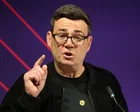
Mayor Burnham Signals a Major Reckoning for the Labour Party’s Direction
Greater Manchester Mayor Andy Burnham has publicly signaled a significant challenge to the current trajectory of the Labour Party. Speaking out about an upcoming local byelection, the mayor asserted that fundamental changes are necessary within the party if it hopes to re-establish credibility and reconnect with the electorate. This declaration moves beyond typical local campaigning, framing the local contest as a critical barometer for the national political health of the Labour movement.
Burnham suggested that mere electoral effort is insufficient; rather, the party requires a deeper internal realignment. His comments imply that current strategies or leadership approaches are failing to address the concerns of the general public. By taking such a pointed stance before a local election, the mayor is positioning himself as a key voice demanding accountability and a strategic pivot from the party’s leadership.
What This Means for Labour’s Future
The core message emanating from Burnham is one of necessary overhaul. He suggests that the party’s relationship with its voters has deteriorated to a point where significant structural and philosophical changes must occur. This implies a departure from established norms or policies that have recently disappointed the public. The mayor’s challenge effectively raises the stakes of the byelection, transforming it from a routine local test into a potential referendum on the party’s overall direction under its current leadership.
Contextualizing the Political Pressure
This public commentary arrives at a moment when the Labour Party is navigating sensitive national political waters. The expectation that he will serve as the party’s representative in the Makerfield byelection adds weight to his pronouncements. By insisting on making the local contest revolve around broader national failures—areas where he suggests Labour is currently deficient—Burnham is leveraging local politics to press for national policy reforms. It creates an observable dichotomy: while the focus is local, the critique is decidedly central.
A Demand for renewed Public Trust
At its heart, Burnham’s warning is about restoring public faith. Political longevity, he appears to argue, rests not just on policy platforms, but on a perceived alignment with the needs and trust of the populace. His rhetoric suggests that the gap between the party’s stated goals and the electorate’s lived experience has widened unacceptably. Therefore, the path forward, according to his statements, must involve demonstrable shifts in approach, ensuring the party speaks to contemporary issues while rebuilding its bond with the community it aims to serve.
About the Author




