Escalating Tensions: Military Strikes and Diplomatic Negotiations Define Middle East Stability
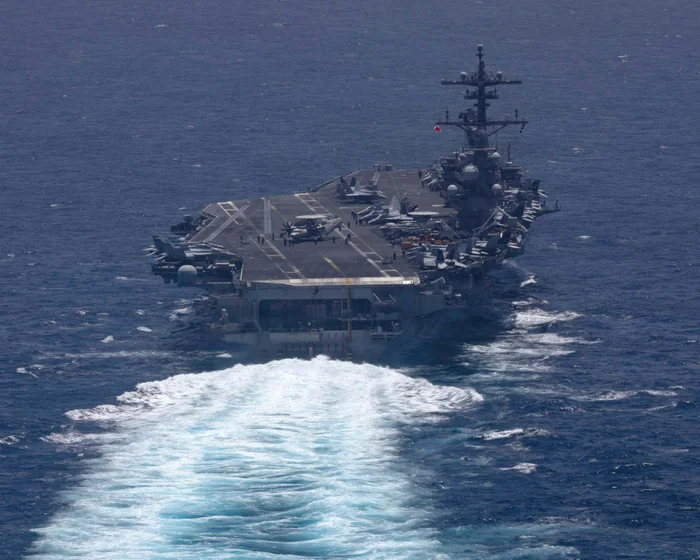
The regional security landscape remains highly volatile, marked by a stark divergence between overt military action and intensive back-channel diplomacy. Recent developments indicate heightened military friction in various hotspots while simultaneously signaling high-stakes negotiations aimed at de-escalation. U.S. military forces have conducted strikes against specific missile facilities within southern Iran, an action accompanied by reports of targeting maritime elements associated with laying mines, suggesting a sustained effort to constrain military capabilities in the area.
These military posturing moves occurred concurrently with senior Iranian negotiators convening in Doha. The gathering suggests that international efforts to stabilize the situation are intensifying, focusing on achieving a comprehensive cessation of hostilities. These diplomatic talks aim to resolve underlying conflicts, though the scope and preconditions for any resulting peace accord remain points of contention among regional stakeholders.
What This Means: Competing Demands for Peace
The convergence of military strikes and peace talks highlights significant disagreements over the prerequisites for regional stability. While some diplomatic efforts appear geared toward structured negotiations—including discussions on nuclear material management—these peace tracks are complicated by localized flare-ups of conflict. A key tension point revolves around the inclusion of specific regional flashpoints, such as ongoing fighting in neighboring countries, within the framework of any negotiated settlement. The demand that any comprehensive agreement cover all theaters of conflict demonstrates a push for an all-encompassing resolution rather than isolated truces.
Furthermore, pronouncements regarding the structure of any post-conflict stability involve demands for broad regional buy-in, referencing pre-existing frameworks designed to normalize interstate relations. Such conditions suggest that securing peace is viewed not just as an internal negotiation, but as a major geopolitical realignment requiring consensus from multiple influential nations.
Background and Context: Diverging Tracks of Conflict
Adding to the complexity, actions from neighboring major powers are further injecting instability into the environment. Official statements indicate assertive military rhetoric aimed at regional non-state actors, raising immediate security concerns in adjacent nations. These heightened military postures contrast sharply with the diplomatic overtures, painting a picture of a region pulled between active conflict and urgent mediation. The ongoing involvement of external powers and the focus on military hardware, such as missile sites, underscore the deeply entrenched nature of the rivalries at play. Meanwhile, certain regional powers continue to publicly praise resistance movements, bolstering the narrative of protracted confrontation.
The overall narrative suggests that while formal discussions are taking place to curb hostilities, military escalations and strong political commitments from key regional players indicate that the path to lasting peace remains highly conditional and fraught with risk.
About the Author




