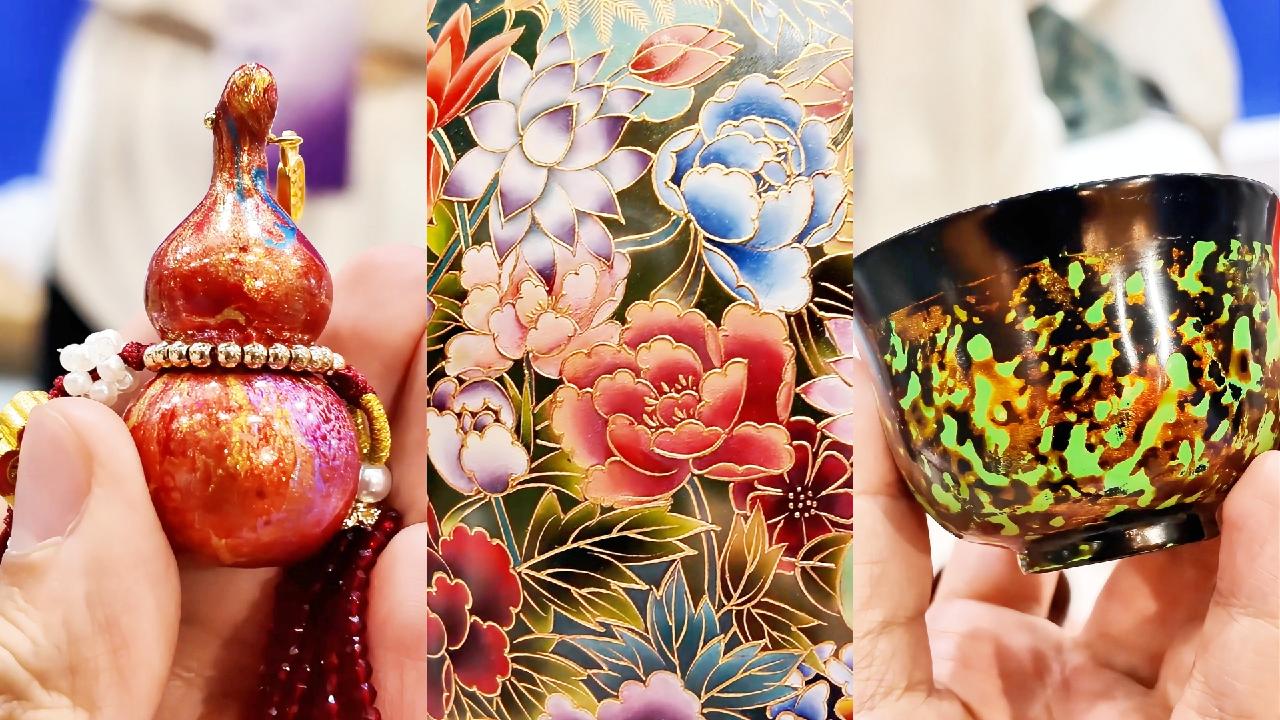
The Art of Time: How Centuries-Old Techniques Preserve the Brilliance of Pingyao Lacquerware
Pingyao lacquerware represents a pinnacle of traditional Chinese craftsmanship, an art form so intricate it has been recognized as a national intangible cultural treasure. What distinguishes these objects is not merely the lacquer itself, but the painstaking, multi-stage process required to achieve its signature, enduring luster. This dedication to mastery means that every finished piece tells a story of extraordinary patience, involving months of focused, manual labor from the artisan’s hands.
The creation process is anything but quick. It involves building up the surface through numerous layers of rich lacquer, often requiring anywhere from five to eight distinct coatings. Crucially, the luster is not an accident; it is the result of constant refinement. After each application, the surface must be meticulously sanded and polished multiple times. This cyclical process of building, smoothing, and perfecting is what imparts the final, deep sheen to the material.
Significance of the Labor-Intensive Craft
The sheer time commitment involved fundamentally shapes the value and nature of the artwork. Since a single piece can take a minimum of three months, and occasionally extend into years, the value lies as much in the accumulated human effort as in the final product. This depth of labor elevates the lacquerware beyond simple decorative items; they become historical documents of skilled artisanship. Whether the final object is a grand decorative mural or a small, exquisitely detailed jewelry box, the underlying commitment to traditional methods remains constant, ensuring the preservation of time-honored techniques.
Context of Chinese Decorative Arts
Lacquerworking has a deep and storied place within Chinese decorative arts, representing centuries of evolving material culture. The techniques employed by the artisans in Pingyao are direct descendants of older methods, representing a living tradition that resists industrial shortcuts. By maintaining these slow, highly manual procedures, the craft sustains not just its market, but a complex ecosystem of specialized knowledge—from sourcing the materials to executing the final gold-painted details. The careful maintenance of these ancient methods is vital to the cultural identity associated with the ware.
About the Author