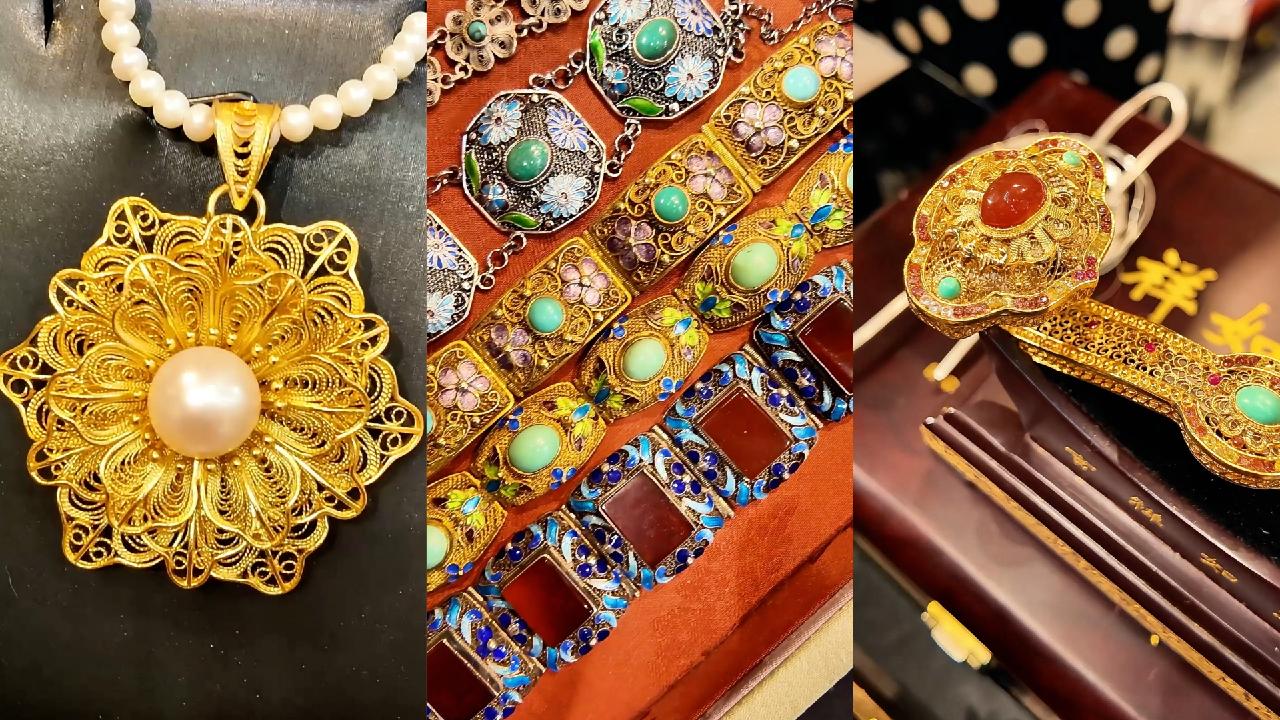
The Enduring Allure of Filigree Inlay: From Royal Treasures to Modern Adornment
Traditionally confined to the opulent settings of imperial courts, the delicate artistry of filigree inlay is experiencing a remarkable resurgence in modern design. This sophisticated craftsmanship, recognized as a treasured cultural heritage, once symbolized the pinnacle of imperial wealth and taste. Today, however, its intricate beauty is transcending its historical confines, seamlessly integrating into the fabric of contemporary fashion and everyday decorative items.
The technique itself is a testament to profound patience and unparalleled skill. It involves the painstaking manipulation of extremely fine metallic threads, typically using gold and silver. The creation process is an elaborate, multi-stage sequence of specialized actions. Artisans engage in detailed procedures that include shaping, precise filling, careful assembly, soldering, and complex textural techniques like weaving and braiding. These foundational metalwork skills allow the artisans to build objects of breathtaking complexity, often enhancing the structural beauty with the inclusion of luminous gemstones and lustrous pearls.
This shift in application signals a democratization of exquisite art. What was once reserved for state-level luxury goods is now finding its way into items intended for daily life. This evolution demonstrates the inherent versatility of the craft, allowing master artisans to adapt centuries-old techniques to suit modern aesthetics while preserving the integrity of the original masterful methods.
Significance and Impact of the Revival
The current popularity of filigree inlay signifies more than just a trend in ornamentation; it marks a dynamic engagement with cultural preservation. By applying this ancient art form to accessible goods, practitioners are ensuring the knowledge base remains active and economically viable for succeeding generations. It empowers artisans to connect the profound history of their craft with the current consumer desire for unique, meaningful luxury. The adoption of the technique into everyday pieces suggests a cultural appreciation that values deep artisanal roots alongside modern functionality.
Context of the Craft’s History
Historically, the mastery displayed in filigree work was closely tied to courtly patronage. The sheer labor involved in creating such detailed metalwork meant that only the highest echelons of society could commission such pieces. Over time, as craftsmanship techniques became more documented and esteemed, the art transitioned from being solely an emblem of imperial power to becoming a valuable marker of national artistic identity. This historical trajectory provides the perfect foundation for its modern revival, where its pedigree adds an immediate layer of perceived value and storytelling to contemporary designs.
About the Author