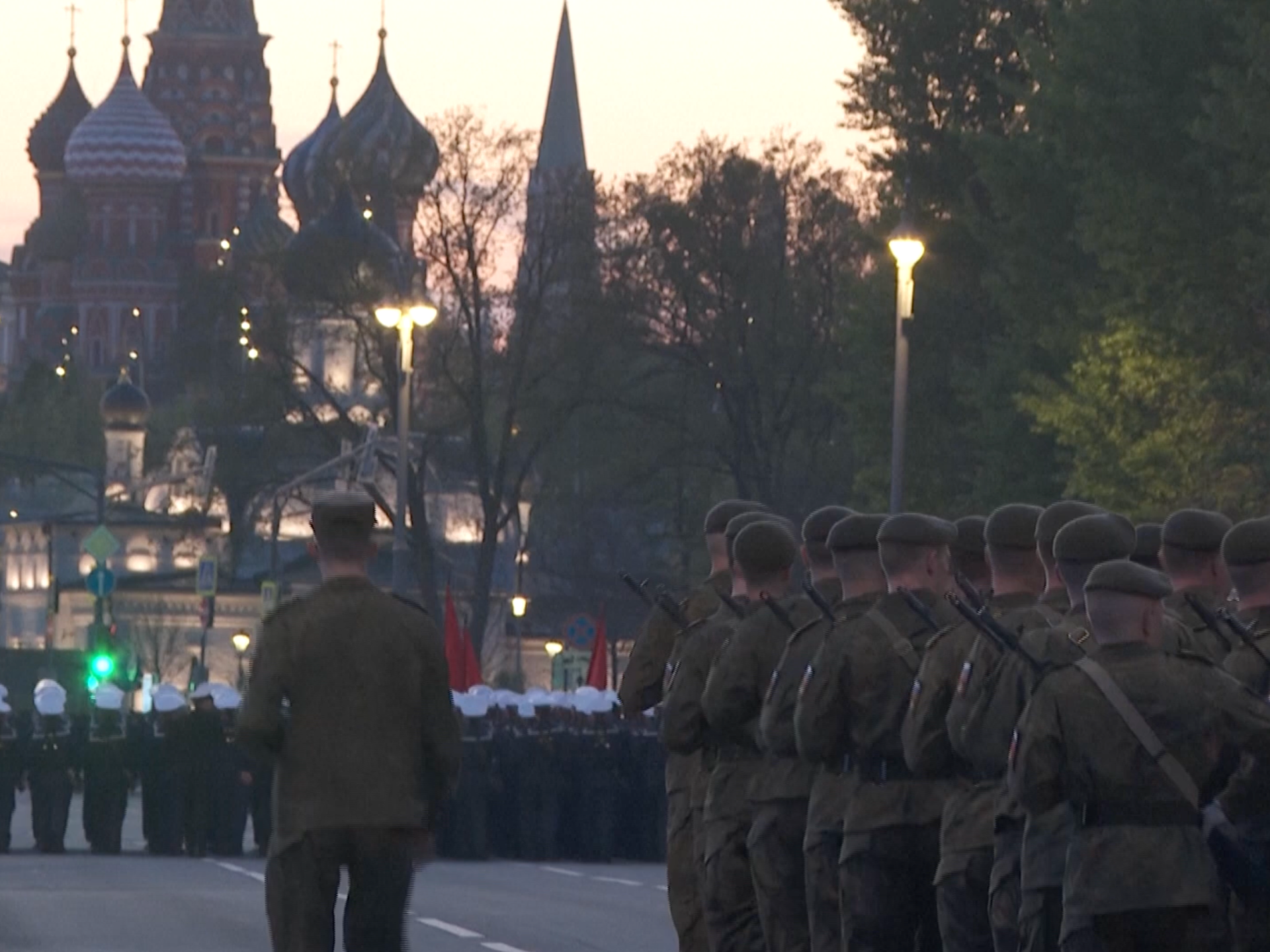
Moscow Gears Up for Commemoration of WWII Victory with Major Parade Rehearsals
Preparations are underway in Moscow for the annual commemoration of the victory over Nazi Germany, traditionally observed on May 9th. The capital city has utilized its central gathering spaces to conduct extensive rehearsals for the significant Victory Day parade. These preparations are intended to mark the long-standing memory of the nation’s triumph during the Second World War, an anniversary that holds profound historical weight for the country.
To ensure smooth proceedings for this major national event, official coordination has extended to neighboring regions. Notably, there was an announcement regarding a temporary cessation of conflict activities near the capital. This localized pause was implemented for a period coinciding with the two days of the major celebrations, allowing authorities to focus entirely on the ceremonial aspects of the remembrance.
Significance and National Importance
The annual Victory Day parade transcends a mere display of military might; it functions as a powerful, collective act of national memory. It serves as a vital point for the state to reaffirm its narrative of resilience, sacrifice, and historical achievement. By staging such large-scale events, the government reinforces the historical narrative of the forces involved in the Allied victory, ensuring these memories remain central to the national consciousness.
Understanding the Context of Remembrance
Commemorations of this magnitude are steeped in decades of national tradition. The scale of the rehearsals suggests an intricate logistical undertaking, involving various branches of the armed forces, ceremonial units, and governmental organizations. Such parades are meticulously planned to honor the sacrifices made during the conflict, maintaining a continuous connection between the contemporary state and its wartime history.
Broader Implications of the Ceasefire Announcement
The decision to establish a temporary cessation of conflict activities in the vicinity of the capital points to the organizational demands of hosting a monumental public gathering. Such measures prioritize the safety and logistical flow required for tens of thousands of citizens and international observers who attend these commemorative rites. It underscores the temporary nature of the disruption, which is strictly tied to the celebration period.
Conclusion
In essence, the current activities in Moscow are focused on the elaborate orchestration of a tribute to the nation’s pivotal historical turning point. The scale of the preparation highlights the enduring cultural and political significance of the victory, marking it as a recurring moment of intense national reflection and public ceremony.
About the Author




