Nationwide Turmoil Grip Mali Amid Reports of Coordinated Insurgency Spree
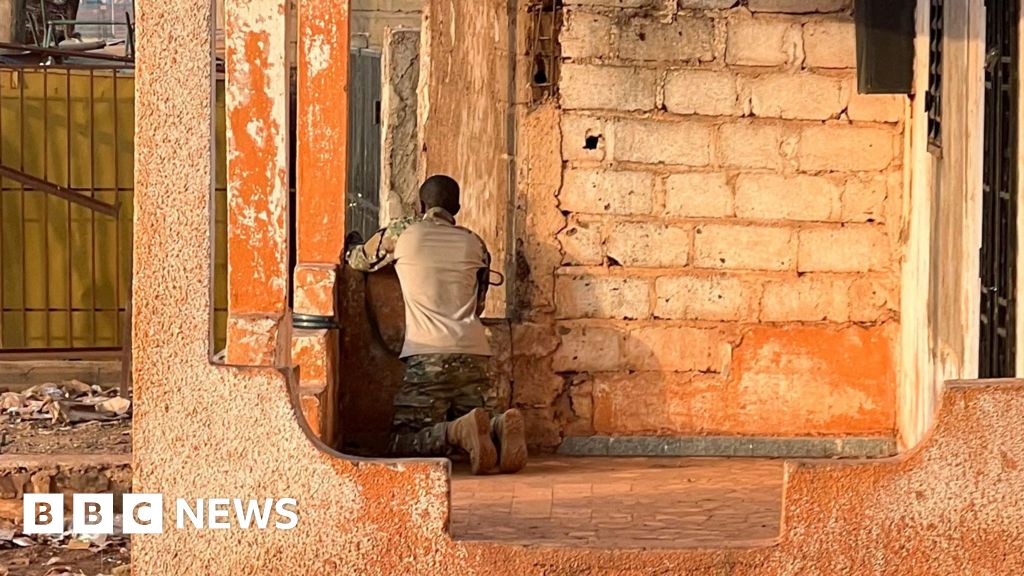
Mali is currently experiencing widespread unrest, with accounts detailing explosions and sustained gunfire emanating from multiple regions across the nation. These disturbances appear to stem from coordinated actions by various armed factions targeting key areas, creating an atmosphere of high tension throughout the country. Military officials have confirmed that combat operations are presently underway, stating that security forces are actively engaged in confronting the assailants across different points.
The scope of the reported activity is extensive, touching everything from the capital city, Bamako, to major hubs in the north, such as Gao and Kidal, as well as central locations like Sevare and military centers near Kati. Analysts observing the unfolding situation have characterized the intensity of the coordinated assault as potentially the most significant jihadist offensive seen in the nation in recent memory. This complex conflict involves multiple armed elements operating simultaneously.
What This Means: Regional Instability Intensifies
The breadth and coordination of these recent attacks signal a severe escalation in the existing instability within Mali. The confluence of actions from established jihadist organizations and separatist movements suggests a fragmented but potent challenge to central governance. The nature of the fighting implies a concerted effort to disrupt state control across key logistical and administrative centers. This heightened level of conflict forces authorities to deploy significant resources to maintain order, while travel advisories are being issued to warn international travelers of the volatile security environment.
Background and Context of the Conflict
Mali has long been characterized by persistent internal strife, traditionally fueled by the presence of militant groups with ties to both Al-Qaeda and the Islamic State. Compounding this issue is a long-standing separatist movement originating primarily in the northern regions, which advocates for the establishment of a distinct ethnic state. The recent incidents suggest a convergence of these different militant objectives into a unified, multi-pronged assault. Official statements from the government have emphasized that security forces are managing the escalating violence and that control measures, including increased checkpoints, are being implemented on major routes to safeguard critical infrastructure like the airport.
The situation underscores the difficulty in managing multiple armed actors with varying, yet intersecting, goals. While some parts of the capital are reportedly maintaining a degree of calm, sporadic gunfire persists, and the operational impact remains fluid. International bodies have responded by issuing strong condemnations of the violence, emphasizing solidarity with the Malian people and government as they navigate what appears to be a deeply challenging period of internal conflict.
About the Author