NATO Grapples with Potential U.S. Troop Drawdown from Germany
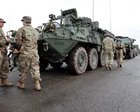
The security architecture of Europe is currently facing uncertainty as the North Atlantic Treaty Organization (NATO) actively seeks comprehensive clarity regarding a potential reduction in American military presence within Germany. Reports indicate that a withdrawal of approximately 5,000 U.S. personnel is under consideration, a move reportedly linked to shifting strategic priorities and high-level policy disputes within the United States.
While the German federal government has attempted to frame the planned drawdown as an expected logistical adjustment, the underlying implications for transatlantic security cooperation are significant. Officials have utilized the moment to underscore a broader European imperative: the necessity for member nations to accelerate and deepen their independent defense investments. This pivot suggests a strategic recalibration, placing greater emphasis on continental self-sufficiency within the alliance framework.
What This Means for European Security
The potential scaling back of U.S. ground forces in Germany introduces a palpable degree of caution into the region’s defense planning. For NATO, the core challenge is maintaining credible deterrence while adapting to a shifting partnership dynamic. The emphasis on local defense spending, promoted by German leadership, highlights a trend toward greater national burden-sharing. If U.S. troop presence diminishes significantly, allied nations will face increased pressure to elevate their own defense expenditures and modernize their capabilities swiftly to fill the operational gaps.
Background and Context of the Policy Shift
This heightened discussion surrounding troop levels follows visible policy disagreements between the German political establishment and certain American figures regarding international engagement. Specifically, the discourse has been marked by commentary concerning the United States’ broader foreign policy approach, particularly its posture concerning geopolitical flashpoints in the Middle East. These underlying disagreements have given weight to calls for a restructuring of regional security support, moving responsibility and investment impetus more squarely onto the European continent. The timeline for any such troop redeployment is reportedly projected to span a medium-term window, potentially lasting between half a year and a year.
Overall, the situation reflects a pivotal juncture where foundational transatlantic security commitments are being re-examined. Rather than viewing the potential reduction merely as a bilateral logistical issue, the involved parties are using it as a catalyst to push for a renewed, and significantly more robust, commitment to collective European security structures, independent of current levels of American deployment.
About the Author