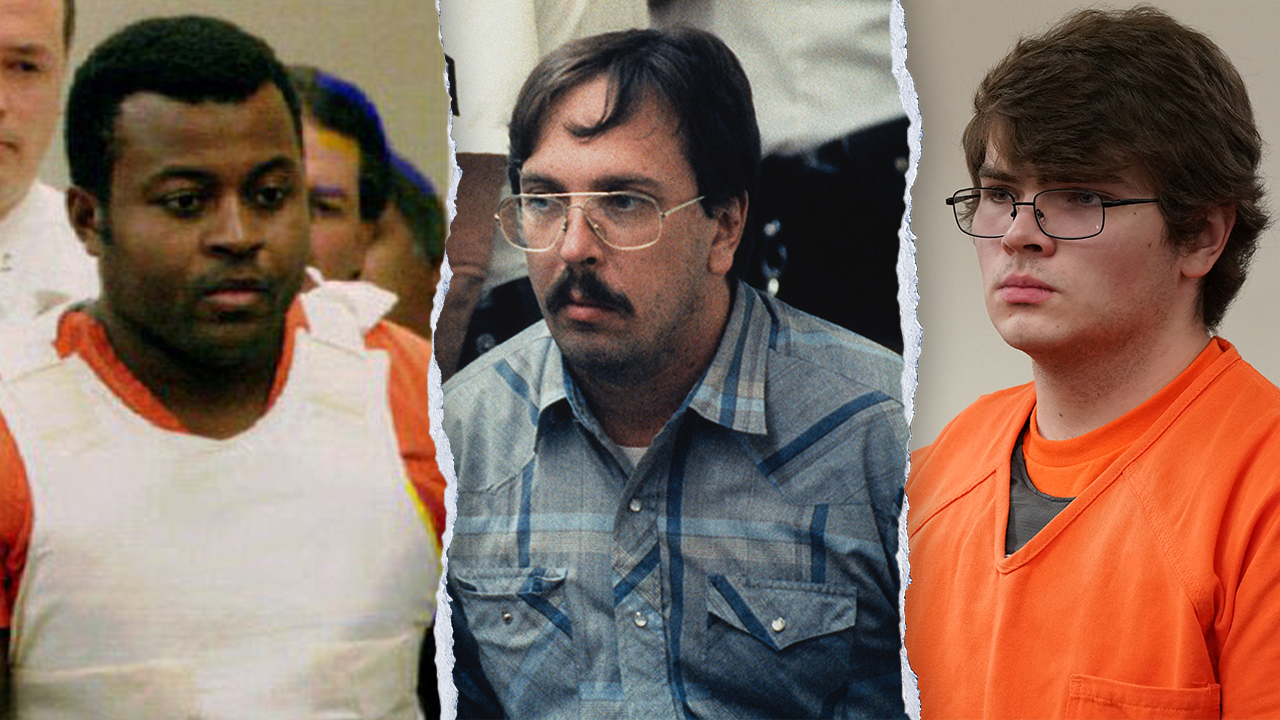
As state legislators debate several proposed reforms to the criminal justice system, significant alarm is rising among law enforcement officials and victims' advocates. Critics argue that a package of potential new laws could dramatically accelerate the release dates for numerous individuals convicted of heinous crimes. These legislative discussions center on establishing new parole structures, including proposals related to elder parole and concepts of 'earned time,' which, if enacted, could potentially free high-risk individuals who were previously sentenced without the possibility of parole.
The concern is particularly acute when considering the profiles of potential releasees. Advocates are pointing to notorious and dangerous individuals, ranging from serial murderers to mass shooters, who are currently incarcerated for the most violent acts imaginable. The proposed changes suggest a systemic overhaul that could drastically alter the sentence timelines for these offenders, raising serious questions about public safety and the efficacy of current sentencing guidelines designed to keep the public protected from repeat violent threats.
This legislative movement has ignited intense debate regarding the balance between rehabilitative justice and ensuring lasting public safety. Those opposing the reforms contend that the focus is misplaced, prioritizing the interests of incarcerated persons over the lasting trauma and need for accountability felt by the surviving families of victims. The conversation has swiftly become a flashpoint, pitting judicial reform ideals against the lived realities of those whose lives were irrevocably altered by violent crime.
About the Author