Pope Leo’s Spanish Sojourn: A Balancing Act Between Faith and Political Divides
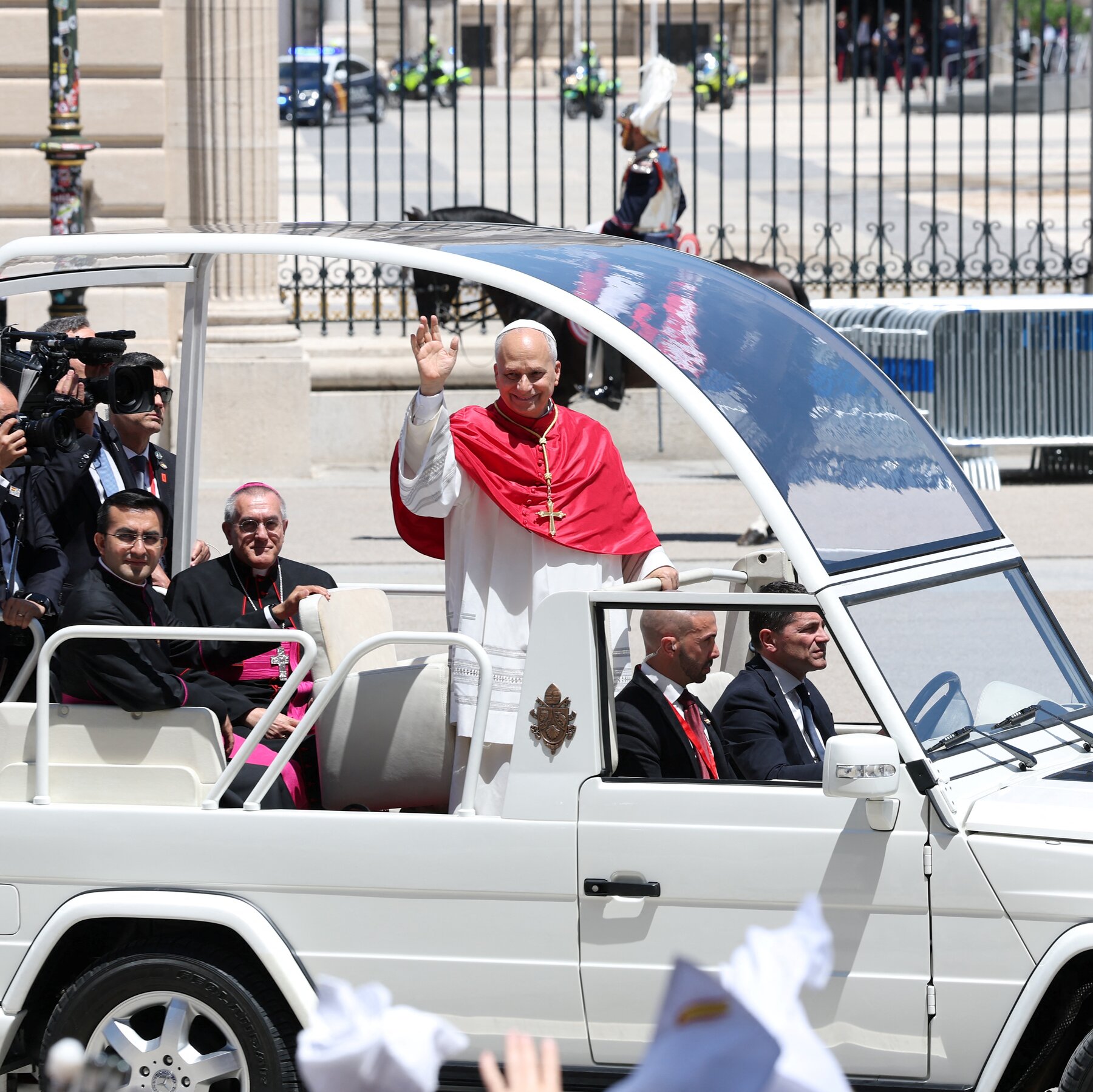
Pope Leo’s week-long visit to Spain has placed the pontiff at the center of a complex intersection of faith, migration policy, and political discourse. Rather than a purely spiritual tour, the papal itinerary is anticipated to be highly visible, forcing the Vatican figurehead to engage with domestic Spanish issues, most notably the burgeoning migrant crisis.
The nature of the visit suggests more than just ceremonial appearances. By engaging directly with communities affected by migration, Pope Leo is positioning himself to address one of the most contentious social and political flashpoints in modern Spain. This engagement requires deft pastoral diplomacy, as the papal message must resonate with diverse groups—from humanitarian aid recipients to the Spanish political establishment.
The Significance of the Visit: Addressing Deep Societal Fault Lines
The papal engagement in Spain carries significant weight because it forces a public reckoning with several deep-seated societal fault lines. The prominence given to migration issues indicates that the moral and ethical dimension of border policy and humanitarian aid will be a central theme. Furthermore, the anticipation of potential friction with the far-right political group, Vox, underscores that the visit is not immune to partisan maneuvering. Leaders and political factions often use high-profile visits to either align with or challenge established narratives, making the Pope’s every address a potentially defining moment in the national conversation.
Political and Cultural Context in Contemporary Spain
Spain itself is a nation currently undergoing intensive internal dialogue regarding its values and direction. The political landscape is characterized by sharp divisions, which often manifest in public forums and official statements. When a figure of global moral authority like the Pope arrives, these existing fractures—be they ideological, socioeconomic, or political—tend to become more visible. Navigating these differing viewpoints requires the papacy to speak with a universal message of unity while acknowledging specific local struggles, such as those surrounding demographic changes and border management.
The blend of challenging political dynamics, sensitive humanitarian concerns, and the backdrop of established religious traditions creates a high-stakes environment for the papal visit. Observing how the Pope navigates these multiple pressures will offer substantial insight into the current state of civil society and its willingness to engage with supra-national moral leadership.
About the Author