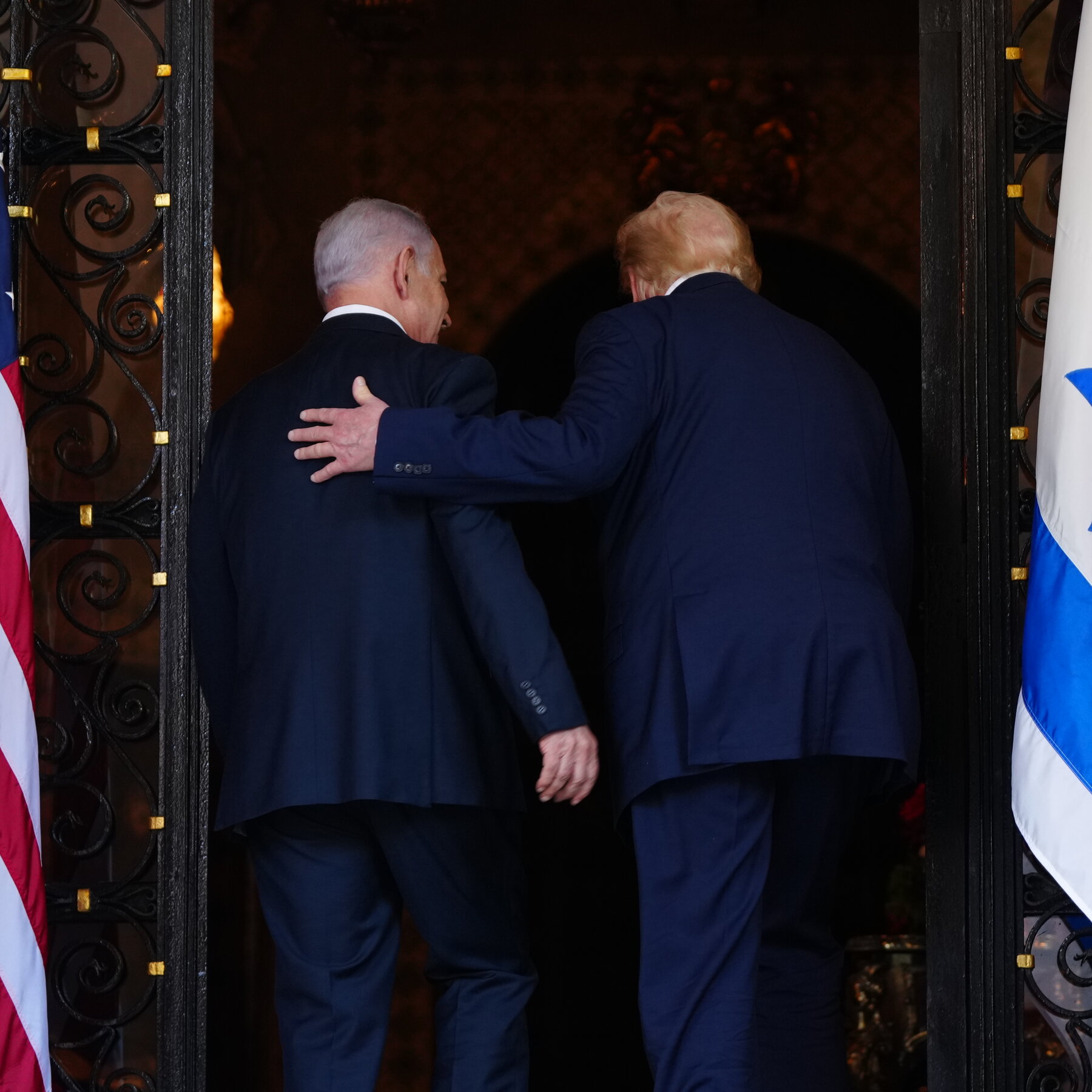
The Pentagon has significantly upgraded its internal threat assessments regarding espionage and foreign intelligence gathering. This heightened posture signals deep concern over the security of sensitive diplomatic and military discussions. The move suggests that U.S. defense and intelligence leadership perceives an escalating, multi-faceted threat landscape that demands immediate and rigorous defensive measures across all operational fronts.
Central to this increased vigilance is the belief that intelligence operations have recently targeted high-level U.S. diplomatic engagements. Specifically, the Department of Defense is reportedly treating reports suggesting foreign monitoring of sensitive negotiations—particularly those involving relations with Iran—as credible indicators of sophisticated intelligence penetration. The focus is less on any single nation and more on the systemic vulnerability to external eavesdropping.
The Implications of Elevated Threat Levels
The elevation of the counterintelligence threat level is more than a procedural update; it reflects a material shift in how the U.S. government views its operational security. When the Pentagon raises its alert status, it means that standard protocols are insufficient, and specialized countermeasures against advanced persistent threats are being deployed. For military and diplomatic staff, this implies an immediate overhaul of communication security, physical security protocols, and data handling procedures to prevent the leakage of strategic information.
Furthermore, the scope of the perceived threat suggests that the activities of certain key allies are under intense scrutiny. The belief that external parties have intercepted discussions regarding volatile regions underscores the sensitivity surrounding U.S. foreign policy tools. The underlying concern is the potential compromise of negotiating leverage, allowing adversaries to anticipate U.S. moves before they are public knowledge.
Examining the Intelligence Landscape
The confluence of heightened alerts and specific concerns about eavesdropping points to a challenging global intelligence environment. Governments and defense agencies are finding that diplomatic talks concerning complex geopolitical flashpoints—such as those involving the Middle East—are drawing unwanted attention from multiple global actors. This situation necessitates a proactive and defensive posture, requiring constant vigilance against various forms of intelligence collection, whether through digital means, human assets, or technical surveillance.
Contextualizing Security Concerns
Historically, international negotiations, especially those involving major powers and sensitive flashpoints, have been high-value targets for foreign intelligence services. These discussions often contain details regarding military posturing, economic sanctions, and long-term strategic alignments. The current environment suggests that the perceived risk of these critical details falling into adversarial hands is at an all-time high, prompting the Pentagon to implement maximum security countermeasures to safeguard national interests and diplomatic outcomes.
About the Author