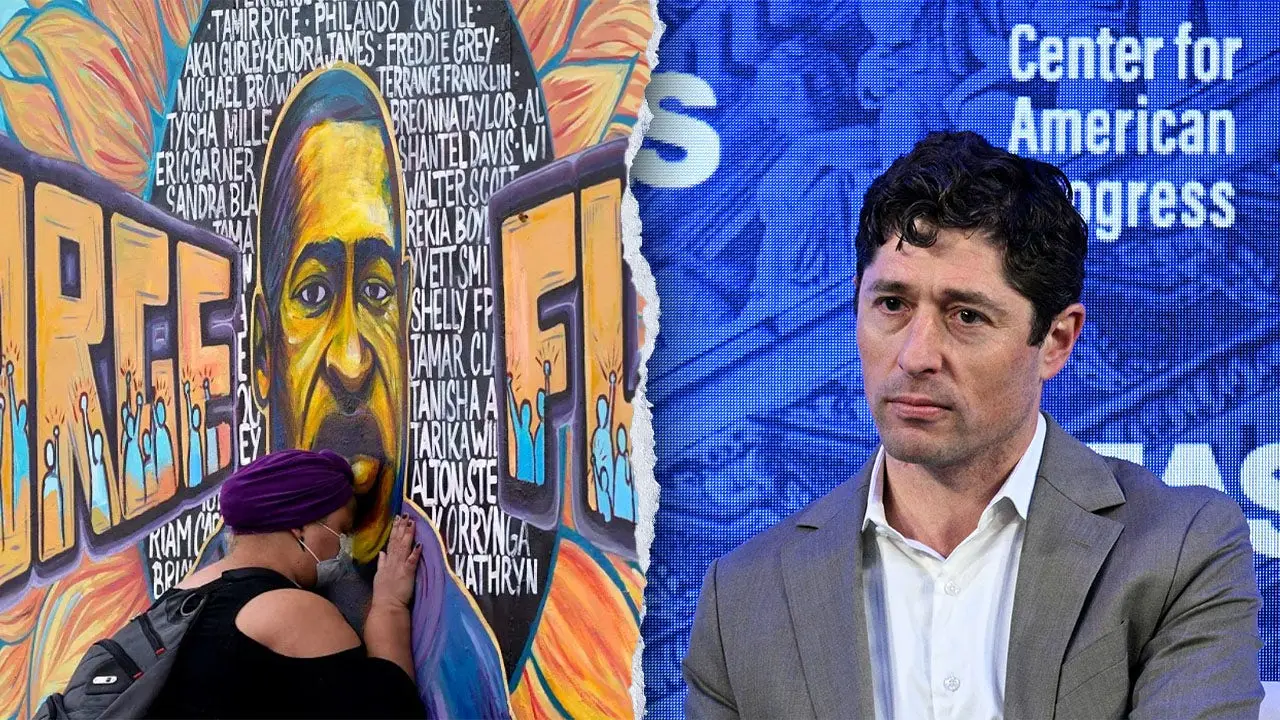
Minneapolis Mayor Jacob Frey faced notable backlash following a social media acknowledgment of George Floyd’s death on Memorial Day. The post, which reflected on the profound impact of the incident six years prior, ignited a political debate regarding the appropriate timing and focus of honoring civil rights issues during a day dedicated to fallen service members.
The mayor’s remarks detailed how the death served as a catalyst forcing the city to confront deep-seated issues of racial injustice, systemic inequities, and the relationship between the community and law enforcement. The messaging emphasized a commitment to demonstrable change, suggesting the city had to move beyond mere declarations to prove substantive reforms regarding policing and racial relations.
This public post arrived amid heightened scrutiny, given that the day was officially designated as Memorial Day. Critics pointed out the potential for the focus to overshadow the primary tribute owed to those who died while serving in the armed forces, leading to calls for greater sensitivity in political commemoration.
What This Means: Balancing Commemoration and Reform
The incident underscores a recurring tension in American public discourse: how to appropriately balance honoring national sacrifices—such as those commemorated on Memorial Day—with addressing deep, ongoing issues of social justice and police accountability. When political leaders tackle complex, localized issues of racial justice on broader national holidays, they risk drawing criticism for perceived prioritization errors.
For Mayor Frey, the controversy highlights the difficulty of leading advocacy for systemic change while navigating the strict protocols of public holiday observance. The narrative surrounding George Floyd’s death and its aftermath has profoundly shaped local policy agendas, leading to major initiatives aimed at overhauling police training and use-of-force protocols within the city.
Background Context: The Aftermath of the Incident
George Floyd passed away following an arrest by Minneapolis police officers. Reports indicated that his death was linked to cardiopulmonary distress resulting from the manner in which he was restrained and held down by officers. The incident sparked massive, widespread protests across the nation, which unfortunately were accompanied by looting and civil unrest in several metropolitan areas.
The legal fallout from the event was significant, resulting in the criminal conviction and sentencing of several officers involved in the incident. The subsequent intensity of the national conversation ensured that themes of police reform, racial profiling, and institutional accountability remained central to municipal governance and public life in the years following.
About the Author