Navigating the Aftermath: Political Hurdles Cloud Efforts to End Operations in Iran
The conclusion of military operations involving the United States in the volatile region surrounding Iran is complicated by significant internal political disagreements. Despite pronouncements suggesting that peace negotiations are advanced and that conflict is nearing an end, the legislative environment remains deeply divided. Congressional actions have recently highlighted a sharp split in opinion regarding the necessity and timeline for the U.S. military presence in the theater.
A key flashpoint has been the recent passage of legislation by the House of Representatives. This vote represented a formal directive for the withdrawal of U.S. military assets from hostilities with Iranian forces. The passage itself, achieved by a narrow margin, marked a significant procedural step, as such an explicit congressional action has not occurred in the limited time since the recent commencement of heightened military activities.
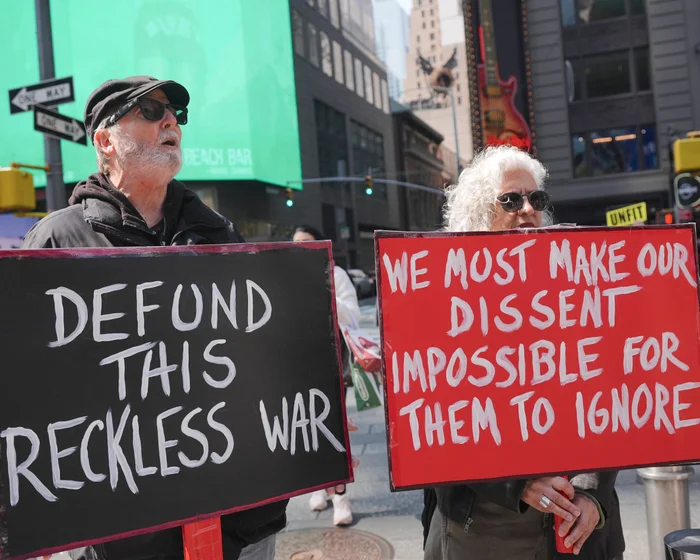
These developments place the administration in a challenging political bind. On one hand, there are high-level discussions and assertions that diplomatic resolutions are imminent. On the other hand, the actions taken by members of Congress—even those within the same political alignment—suggest a clear desire for an orderly withdrawal of forces, creating tension between executive efforts at peace and legislative mandates for departure.
The Significance of Congressional Votes
The legislative vote concerning troop withdrawal is more than just a procedural vote; it signifies a formal political appetite within parts of the governing body for a decisive end to U.S. involvement. Passing such a directive indicates that a substantial faction believes the current operational posture is unsustainable or unwanted by the American populace’s representatives. When a legislative body issues such a mandate, it places direct political pressure on any executive seeking to manage a phased withdrawal or sustain a long-term commitment.
Context of the Disagreement
The tension reflects a broader divergence in policy regarding the scope and duration of American engagement in the Persian Gulf region and with Iran. While some political leaders publicly advocate for maintaining momentum toward a negotiated peace agreement, others are prioritizing legislative control over the timeline and exit strategy. This internal contradiction creates a difficult atmosphere, where diplomatic overtures risk being undercut by domestic political maneuvering. The perceived need for withdrawal, as evidenced by the legislative action, contrasts sharply with the narrative of impending, self-managed peace dictated from the executive level.
Implications for Future Policy
Moving forward, the administration will likely face a dual challenge: simultaneously managing sensitive, high-stakes international negotiations while also navigating a polarized domestic political landscape. The disconnect between claimed diplomatic breakthroughs and concrete congressional demands suggests that any final resolution regarding the military posture in the region will require not only diplomatic successes but also a degree of unified support within the political sphere to gain lasting credibility and stability.
About the Author