Persistent Military Action in Lebanon Undermines Peace Efforts
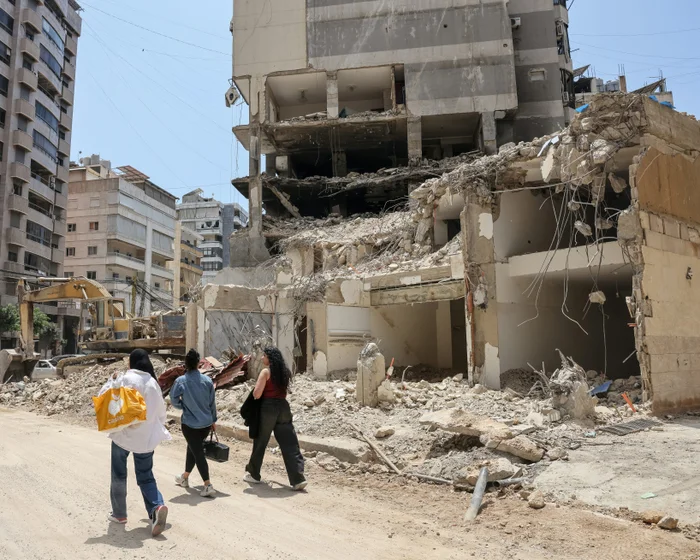
Despite reports of diplomatic agreements aiming to solidify a ceasefire, ongoing military operations suggest a significant lack of de-escalation in Southern Lebanon. Statements from Israeli defense officials indicate a firm stance against withdrawal from the region, signaling an intent to maintain a sustained military presence. This commitment to continued ground operations complicates any immediate return to pre-conflict normalcy for the civilian population.
The situation remains highly volatile, with various regional and non-state actors making strong public statements regarding the conflict’s dynamics. On one side, elements connected to Iran have voiced explicit demands for Israel’s withdrawal to lines predating the conflict. These pronouncements frame the region’s stability as contingent on military pressure to remove foreign forces from the area.
Implications for Regional Stability
The divergence between announced ceasefires and active military posturing points to deep underlying disagreements regarding the ultimate resolution of the conflict. When key military powers and influential regional groups continue to issue strong directives about troop positioning, it casts significant doubt on the feasibility of immediate, stable peace. The failure to reconcile these divergent demands threatens to re-ignite tensions, even if temporary truces are established.
The recent passage of a non-combatant casualty, a member of a multinational peacekeeping force operating in the area, underscores the volatile nature of the environment. Such incidents highlight the enduring danger faced by international personnel attempting to mediate or monitor the fragile truce lines. The death of the individual following an attack underscores that, at the operational level, the security situation remains precarious regardless of high-level diplomatic understandings.
Context of International Peacekeeping
The involvement of international peacekeeping missions in Lebanon adds a layer of complexity to the already fraught security landscape. These missions are tasked with maintaining stability among numerous local and regional factions. However, the reported attacks demonstrate that the operational environment remains hazardous, placing peacekeeping personnel in direct jeopardy. This raises serious questions about the ability of international bodies to guarantee safety when core geopolitical disputes remain unresolved.
Broader Diplomatic Currents
The underlying tensions in Lebanon are intertwined with broader efforts in the Middle East to finalize regional accords, such as those concerning Iran. Statements from various geopolitical centers suggest that the regional balance of power and the status of advanced diplomatic treaties remain central themes influencing current military and political actions. The conflict in Lebanon is thus viewed not in isolation, but as a key flashpoint impacting larger international negotiations regarding the Middle East’s future stability.
,
About the Author