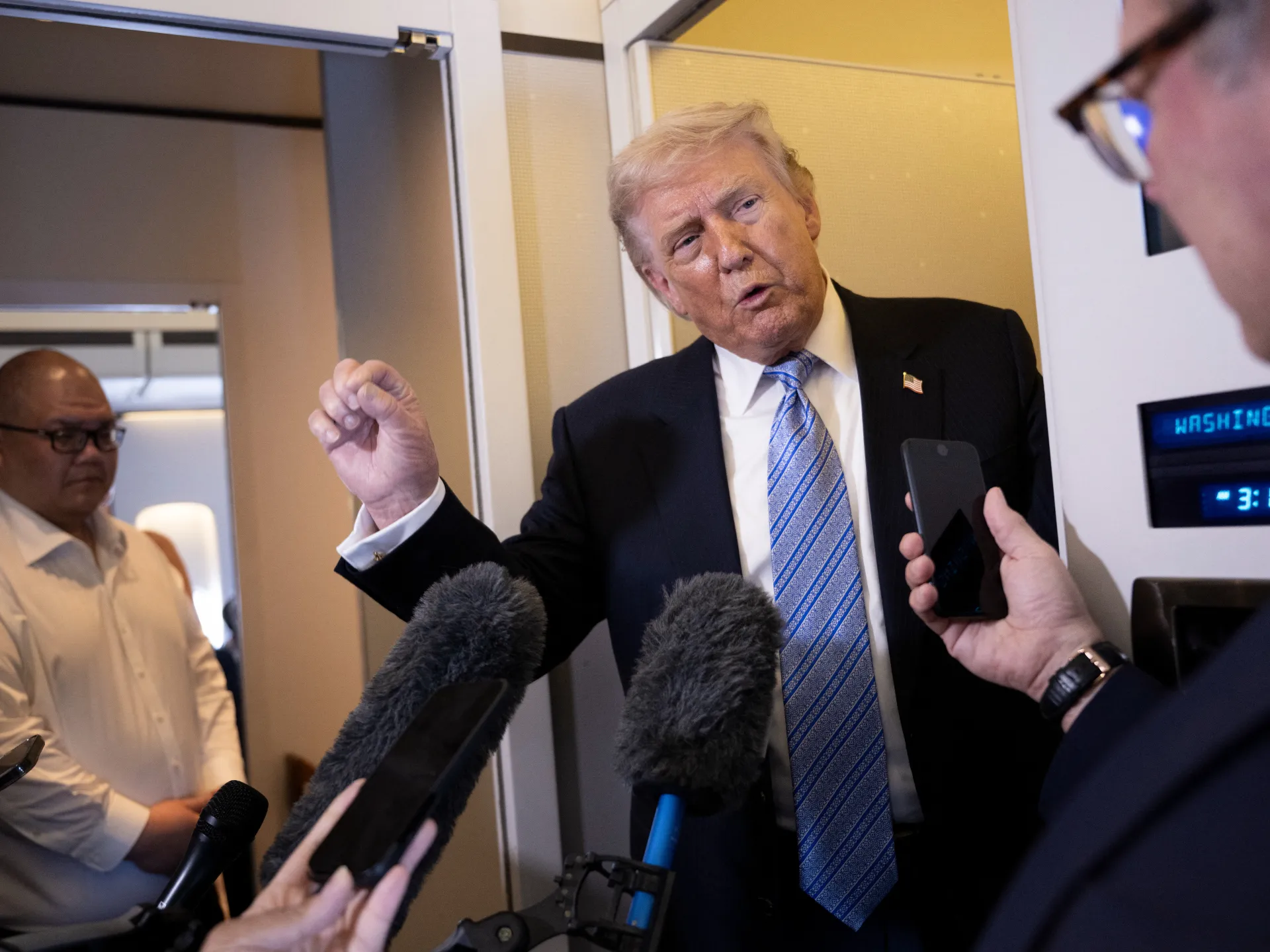
Post-China Visit Analysis: Assessing American Stance on Taiwan and Middle East Tensions
Following a multi-day diplomatic visit to China, the focus of the discussions—and the degree of concrete outcomes—has drawn considerable attention. While the visit generated numerous reports touting broad agreements and high-level engagement, observers have noted a distinct lack of definitive clarity regarding critical flashpoints. Key geopolitical flashpoints, specifically the status of Taiwan and the complex situation involving Iran, remain areas where concrete policy shifts or agreements were not publicly detailed by the visiting American official.
The trip was marked by significant displays of state pomp and formal ceremonial activities, yet the substance of the exchanges suggests that while diplomatic dialogue occurred, major policy decisions regarding sensitive international relationships have been deferred. Statements made by the American leader indicated a hands-off approach on several deeply contentious issues, suggesting a preference for careful deliberation rather than immediate declarations.
What This Means: Strategic Ambiguity as Policy
The apparent reluctance to make firm pronouncements on Taiwan or escalate discussions regarding Iran points toward a strategy of strategic ambiguity. By maintaining a neutral public stance on matters where global stakeholders hold deeply entrenched, and often conflicting, interests, the administration may be attempting to de-escalate tension across multiple fronts simultaneously. This approach allows the nation to signal engagement with major global powers while avoiding premature commitment to actions that could incite regional instability or precipitate conflict.
Furthermore, the handling of discussions concerning the island of Taiwan underscores the immense difficulty in navigating the delicate balance between supporting allied interests and managing pressure from a global peer competitor. The acknowledgment of significant military assistance packages, which are currently pending executive action, suggests that while support exists domestically for continued defense modernization, the executive decision-making process remains highly cautious.
Background / Context: Geopolitics in Focus
The geopolitical landscape surrounding the South China Sea and the Taiwan Strait has been a source of persistent international concern for years. The status of Taiwan remains a subject of deep disagreement among major global powers. While one major country claims undisputed sovereignty over the island, international norms and numerous allied nations maintain a complex relationship characterized by substantial, though non-official, military support. These discussions are always framed by the backdrop of military modernization and increased global competition for influence.
Similarly, regional tensions in the Middle East, particularly concerning the maritime routes and political dynamics involving nations near Iran, continue to dictate much of international security planning. Discussions in this sphere are invariably framed by the need to ensure the free flow of global commerce while managing the unpredictable nature of regional armed groups and state actors. The weight of these accumulated concerns naturally guides high-level diplomatic caution.
About the Author




