Geopolitical Tensions Lowered? Russian President Suggests Ukrainian Conflict Nears Conclusion
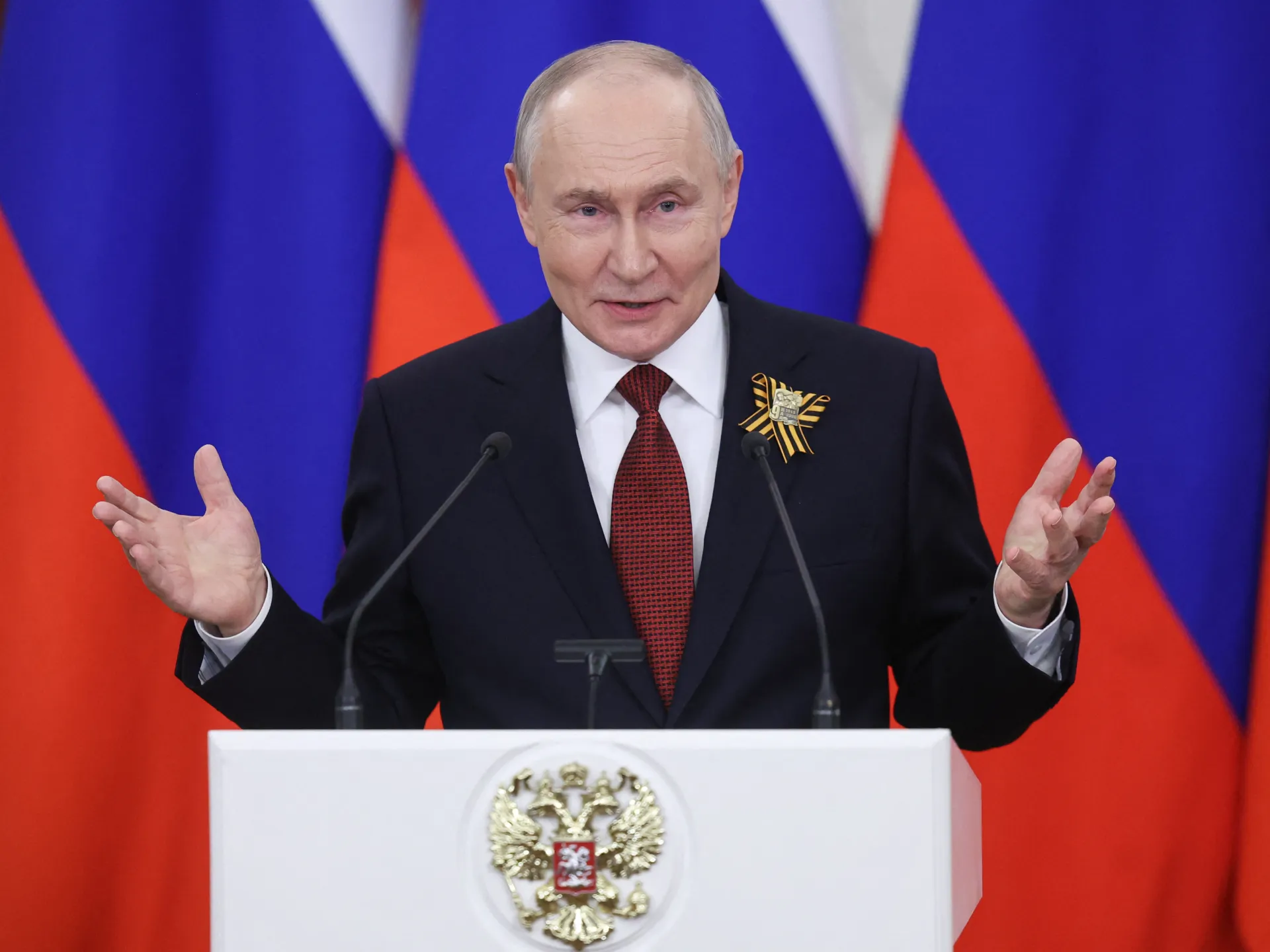
Statements from the Russian President suggest a notable shift in the nation’s posture regarding its military operations in Ukraine. The leader has indicated that the conflict might be approaching a resolution, a sentiment that contrasts with earlier assertions of unwavering commitment to military objectives. Furthermore, the official expressed a willingness to engage in high-level diplomatic discussions with Ukrainian President Volodymyr Zelenskyy, contingent upon the establishment of a comprehensive, long-term peace accord.
Significantly, the proposal included the framework of meeting outside of both nations’ borders, suggesting an opening for multilateral mediation. These remarks emerged against a backdrop of tentative diplomatic progress, notably following the commencement of a temporary ceasefire and the agreement to facilitate prisoner exchanges between the two countries. Such developments have fostered a renewed, albeit cautious, atmosphere of optimism concerning potential pathways toward reconciliation.
The remarks also featured geopolitical framing, attributing the root causes of the ongoing instability to external influences and Western political agendas. According to official statements, the conflict is framed as stemming from alleged broken assurances made to Russia regarding the eastward expansion of international alliances.
What This Means: A Potential Pivot Towards Diplomacy
The suggestion of a near conclusion and the openness to third-party negotiations signal a potential strategic pivot in Russian foreign policy. If realized, such moves would drastically alter the perceived stalemate in the region. By advocating for structured talks, Russia moves the narrative away from purely military confrontation toward negotiated settlements. This indicates a prioritization of achieving a formalized peace outcome, even if the terms are to be determined in a neutral location.
The willingness to meet in a third country, rather than solely demanding talks from Kyiv on Russian soil, is a noteworthy diplomatic concession. It suggests a recognition that international mediation might be necessary to build the necessary trust required for any substantive peace treaty to take hold.
Context of Current Military Posturing
These diplomatic signals occurred shortly after a military parade held in Moscow. During the event, which commemorates a major historical victory, the military leadership was publicly showcased. The gathering featured troop contingents from allied nations, reinforcing Russia’s military alliances and its stated objectives concerning its regional security concerns.
Collectively, the confluence of temporary ceasefire agreements, prisoner exchanges, and high-level diplomatic signals suggests that while the military situation remains volatile, the diplomatic mechanisms for de-escalation are becoming increasingly active. The discourse points toward a potential transition from sustained conflict to intensive negotiation.
About the Author