Climate Considerations: Assessing Potential Weather Impacts on the 2026 World Cup
As the 2026 FIFA World Cup approaches, the focus is shifting beyond team rivalries to include the environmental conditions across the host nations of the United States, Canada, and Mexico. Organizers and football experts are paying close attention to prevailing summer weather patterns, which include intense heat, potential thunderstorms, and air quality concerns stemming from wildfires. The confluence of high temperatures and significant humidity levels presents a unique set of challenges that could potentially disrupt game schedules and player health throughout the tournament.
The physical demands of elite international football, when paired with challenging atmospheric conditions, elevate the risk of heat stress for athletes. This concern is not theoretical; previous major tournaments have seen instances of match interruptions due to severe weather. In fact, disruptions have occurred at recent international events, leading to significant delays in live matches. These experiences have prompted key organizational bodies to implement proactive measures to safeguard the competitors.
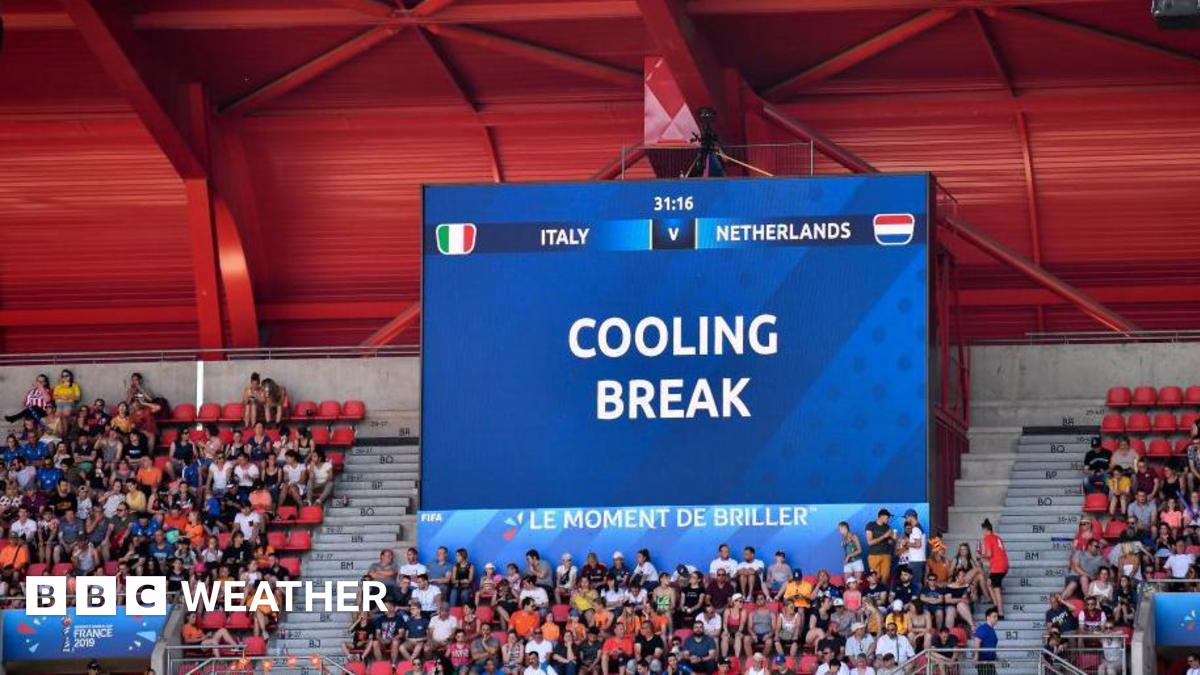
In response to escalating heat concerns, FIFA has taken steps to prioritize player well-being. A significant adjustment involves mandating scheduled cooling breaks during every half of the competition. This acknowledgement of potential thermal strain demonstrates a commitment to adapting the operational framework to manage the environmental realities of the host regions, where peak summer temperatures are consistently high.
The Impact of Heat and Humidity on Athletic Performance
The challenge posed by the local climate is compounded by the effect of humidity. When air moisture content is high, the body’s natural cooling mechanisms become less efficient, making the heat feel significantly more intense than what a standard thermometer might record. This effect is often summarized by the concept of the ‘feels like’ temperature, which gauges the true thermal load on the human body. During peak summer periods across parts of the American South and Northern Mexico, temperatures can routinely climb to levels that pose serious risks when combined with atmospheric moisture.
Furthermore, the geographical spread of the hosts means varying environmental profiles. While some regions are accustomed to intense summer heat, the cumulative effect of heat, wind variability, and direct solar radiation creates a measurable physiological burden. Expert observations indicate that managing this environmental stress requires careful operational planning, making climate mitigation a critical logistical component for the success and fairness of the competition.
Broader Context of Sporting Events in Challenging Climates
The attention paid to weather underscores a growing trend in global sports management: increasing scientific incorporation of environmental variables. Organizers are no longer simply expecting ideal conditions; they are building resilience into the event structure itself. This precautionary approach is aimed at ensuring that competitive parity is maintained, regardless of whether the weather swings from blistering heat to sudden electrical storms. The management of these natural elements is thus becoming as crucial to the tournament’s success as the athletic performance of the teams themselves.
About the Author