Artistic Masterpiece or Urban Threat? Gaudí’s Basilica Sparks Debate in Barcelona
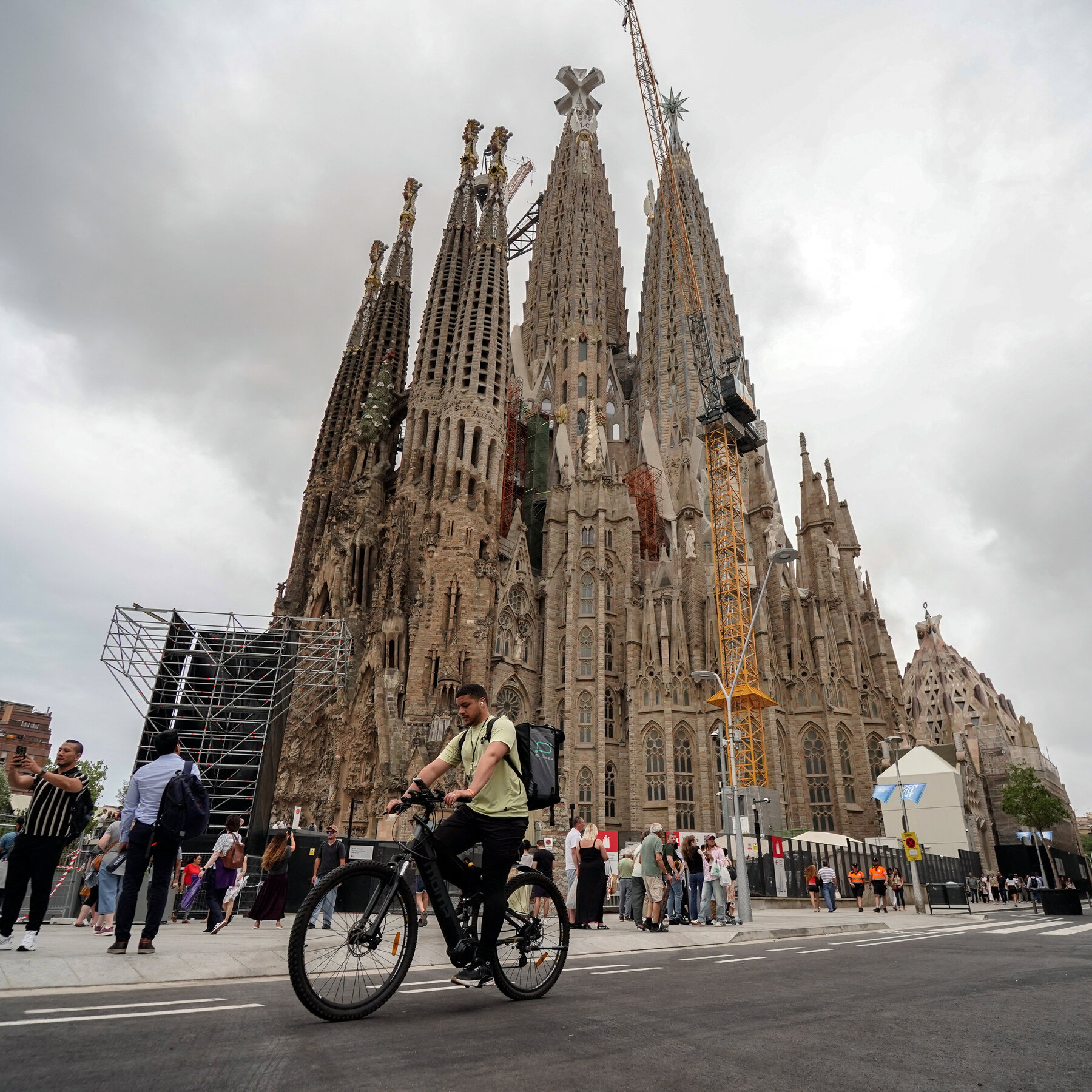
The recent celebration of a Mass within the iconic, still-under-construction Sagrada Familia in Barcelona drew significant public attention. While the papal visit highlighted the basilica’s immense cultural and religious significance, it simultaneously reignited a deeper conversation among local inhabitants regarding the intersection of massive architectural projects, historical preservation, and the pressing crisis of affordable housing in the city.
The sheer scale and grandeur of Antoni Gaudí’s unfinished masterpiece are undeniable, drawing visitors and global acclaim. However, this spotlight on monumental development has surfaced pointed local concerns. For some segments of the Barcelona community, the continuation and eventual completion of such vast undertakings cast a shadow over their immediate living situations, suggesting that the pursuit of monumental cultural achievements may come at the direct expense of residential stability and community roots.
The Ripple Effect: Culture Versus Community Needs
The tension observed is not simply one of aesthetics or patronage; it touches upon fundamental socio-economic rights. While the construction of the basilica represents a powerful draw for tourism and cultural tourism revenue, residents have voiced anxieties that the economic momentum fueled by such attractions often translates into gentrification and escalating property values. These pressures can effectively displace long-term inhabitants, irrespective of the project’s inherent cultural value.
The implications suggest a challenging balancing act for urban planners and governing bodies: how can a city celebrate its profound artistic and religious heritage while simultaneously guaranteeing that its existing population can afford to remain within its boundaries? Official statements indicate that the conversation must move beyond architectural admiration to address tangible quality-of-life metrics for its residents.
Contextualizing the Conflict: Historic Development Pressures
This dynamic is not unique to Barcelona; it reflects a broader tension seen in many global cities struggling with rapid cultural and infrastructural development. Iconic structures, while invaluable to a city’s global image, can act as powerful magnets for investment that prioritizes high-end tourism and development over affordable housing stock. When prime urban land is revalued based on its proximity to world-class attractions, the foundational affordability for blue-collar workers and established local families often erodes.
The sentiment among some residents suggests that development must be viewed through a lens of social equity. They argue that any massive infusion of capital or the completion of a landmark structure must be coupled with robust, proactive policies designed to protect existing communities from displacement. The focus, therefore, shifts from simply *building* the next great sight to ensuring the city remains a place where people can sustainably *live* alongside the great sights.
Looking Ahead: Integrating Vision with Viability
The ongoing discussion surrounding the Sagrada Familia and similar grand projects ultimately underscores a crucial point about modern urban stewardship. True preservation involves more than just maintaining stone and mortar; it requires sustaining the social fabric of a neighborhood. For Barcelona, the future success of its cultural projects will likely depend on its ability to weave economic grandeur with deep social responsibility, ensuring that monumental artistry does not inadvertently create a sanctuary for the affluent while casting locals into precarious housing conditions.
About the Author