Escalating Tensions: Second Day of Exchange Strikes Heightens Regional Instability
Tensions across the Middle East have dramatically worsened with the United States and Iran engaging in round-robin strikes for the second consecutive day. This intense military activity has severely undermined a fragile truce that had been in place between the two nations since earlier this year. The escalation suggests a profound breakdown in diplomatic efforts, pushing the region closer to a significant confrontation.
The flare-up began after the US military conducted what it characterized as a series of preemptive strikes against various military, surveillance, and radar installations located in southern Iran. These actions followed assertive statements from high-level US officials suggesting potential forceful responses. Tehran immediately retaliated, launching its own wave of attacks directed at various US military installations situated across neighboring countries, including Bahrain, Jordan, and Kuwait.
Official pronouncements from Iranian state organs condemned the US strikes, asserting that the actions represented a clear violation of the previous ceasefire agreement. They attributed the resulting severe repercussions to the leadership of the United States. Further complicating the regional security picture, reports surfaced indicating that Iranian military elements deployed ballistic missiles targeting specific US command centers in Jordan.
Impact on Neighboring States and De-escalation Efforts
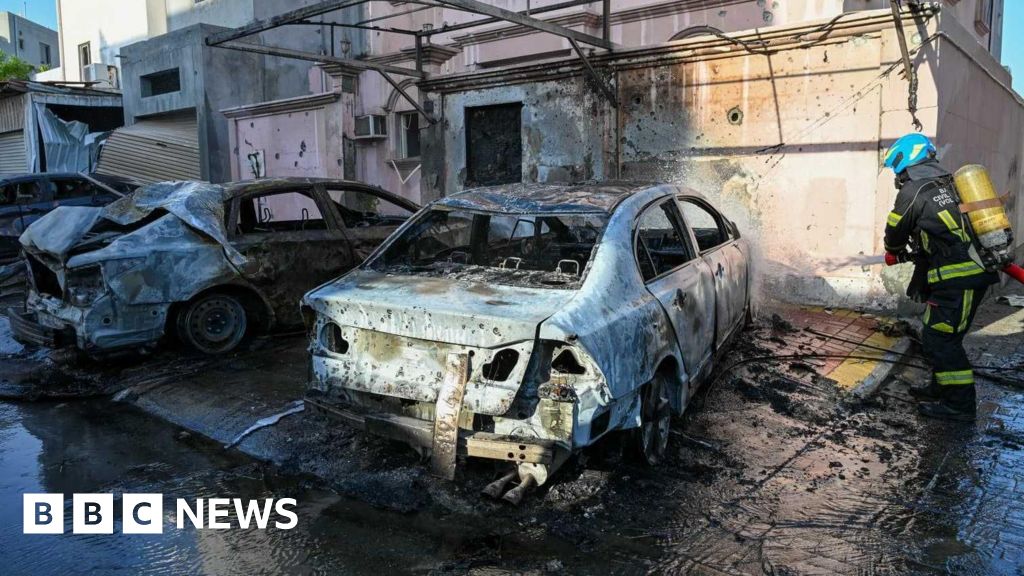
The direct impact of these exchanges was felt across the Arabian Gulf region. In Bahrain, civilian authorities reported that air raid sirens were sounded due to the incident, noting that fragments from intercepted aerial threats caused minor damage to residential areas and vehicles in the capital. In Kuwait, military sources confirmed that local anti-aircraft defense systems were activated to intercept incoming hostile aerial objects.
Meanwhile, reports from Jordan indicated that while several missiles were intercepted by the nation’s air defenses, the alleged targeting occurred in an area without reporting any resulting human casualties or material damage. These coordinated military maneuvers underscore the volatile nature of the geopolitical climate, demonstrating a significant disregard for previous agreements aimed at maintaining regional calm.
Understanding the Geopolitical Friction
This pattern of reciprocal strikes highlights deep, unresolved antagonisms between Washington and Tehran. The swift and decisive nature of the retaliation, following initial US strikes, suggests that either side perceives the other’s actions as fundamentally destabilizing or threatening core national interests. The immediate failure of the established ceasefire mechanism to prevent this escalation points to underlying strategic disagreements that remain unresolved on the diplomatic front.
The continued exchange of military force signals to the international community that the region remains in a state of heightened alert. The global focus shifts to whether any major regional or international power will intervene to compel a return to dialogue, or if the cycle of armed confrontations will continue to define the immediate future of the area.
About the Author