Rerouting Global Energy: How Syria is Emerging as a Critical Alternative Oil Passage
Geopolitical instability in major maritime chokepoints is forcing significant adjustments in global energy logistics. As key shipping lanes face escalating risks and disruptions, nations are pivoting to terrestrial routes, fundamentally altering established oil transit patterns. One such critical adjustment involves Syria, which is increasingly positioned to function as a vital overland conduit for crude oil moving toward international markets, particularly Europe. This shift represents a complex, high-cost workaround necessitated by ongoing regional tensions affecting traditional sea passages.
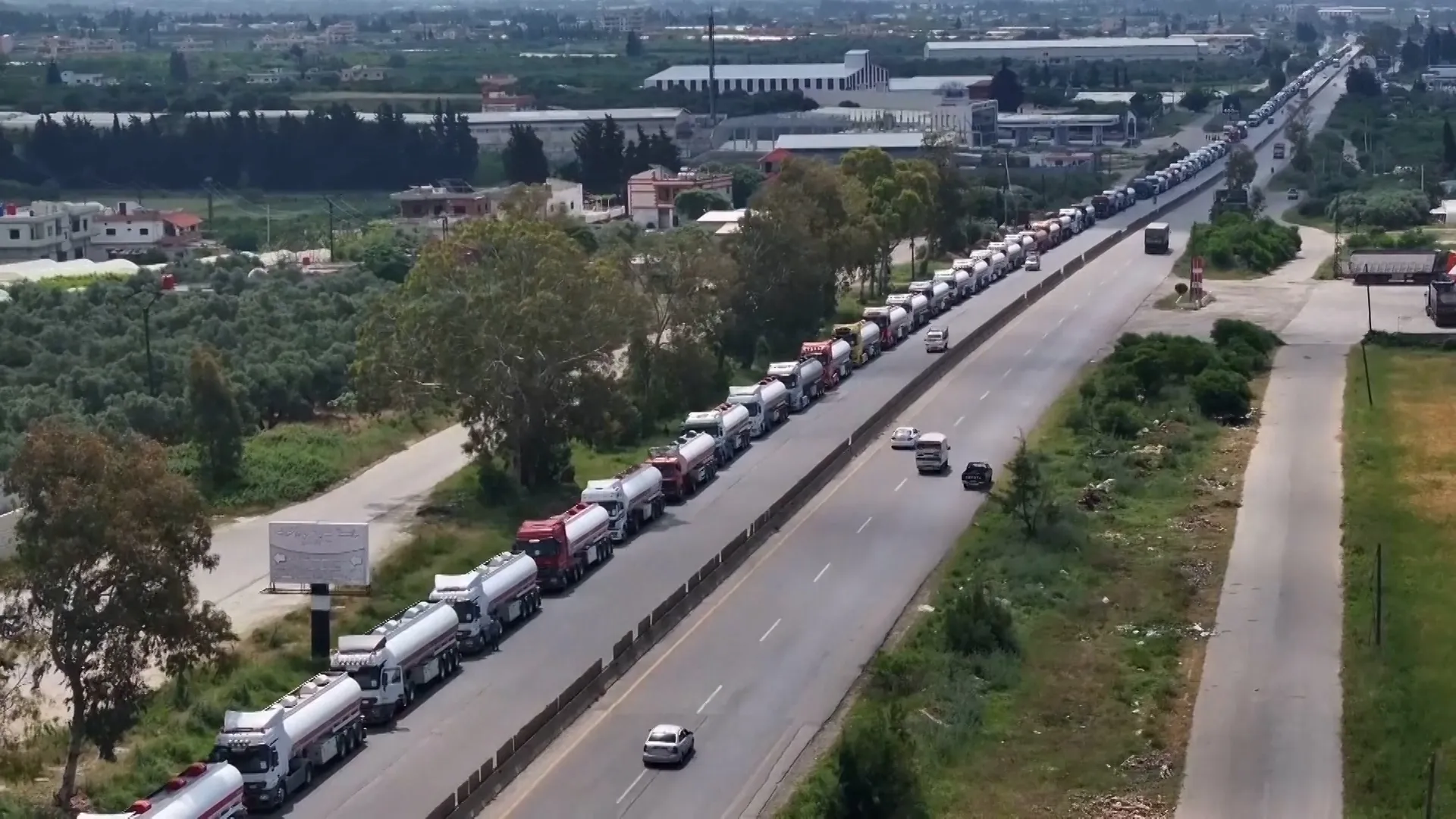
The reliance on overland transport is becoming a defining feature of current energy strategy. Trucks, carrying substantial volumes of crude oil, are traversing through Syrian territory, heading toward key export ports like Baniyas. This movement underscores a strategic desperation to maintain the flow of energy supplies. For the economies downstream, bypassing threatened sea routes via overland corridors, while inefficient and expensive, provides an essential lifeline, mitigating the immediate fallout from maritime blockades or high-risk zones.
What This Means: A Redrawing of Trade Maps
The increased use of Syrian infrastructure for oil transit signals a significant, albeit precarious, realignment of global energy trade dependencies. When major maritime arteries become unreliable due to conflict or international disputes, overland corridors gain immediate, crucial strategic value. This development suggests that future energy planning must factor in terrestrial bypasses as viable alternatives. For the exporting nations involved, this route guarantees continued access to consuming markets, albeit at the expense of increased operational costs, logistical complexity, and potential political vulnerability associated with transit through third-party territories.
Background and Context: The Pressure on Traditional Routes
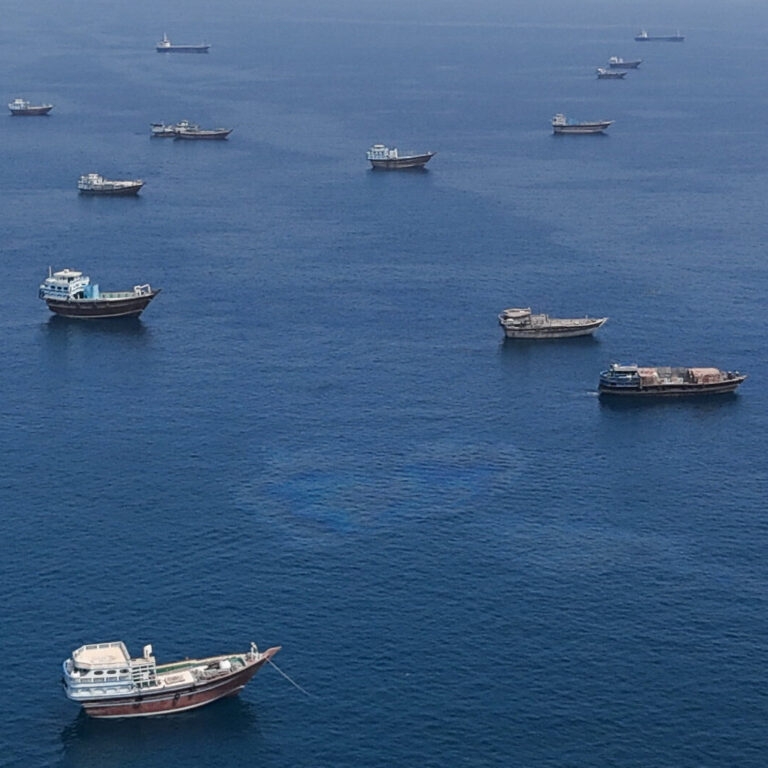
Historically, energy flows have favored maritime routes due to economies of scale. However, heightened geopolitical friction in the Persian Gulf region has substantially jeopardized the reliability of these established sea passages. According to reports, the concentration of tensions in the Strait of Hormuz has made maritime passage exceedingly hazardous for commercial carriers. This regional instability has compelled oil producers and regional consumers to aggressively seek alternatives. The capacity of nations like Syria to absorb and facilitate this high volume of specialized, heavy cargo has been severely tested, transforming the country’s terrestrial infrastructure into a critical, temporary piece of global economic hardware.
The implications are multifaceted. Firstly, it raises questions about the long-term sustainability of such overland infrastructure use, as capacity and political stability are finite. Secondly, it highlights the inherent vulnerability of global energy supply chains to geopolitical flashpoints, emphasizing the need for greater diversification in trade routes and increased resilience planning among consuming nations. This overland pipeline represents a high-stakes, temporary patch on a volatile international energy infrastructure.
About the Author