Routine Checkpoint Uncovers Massive Cocaine Haul Thanks to Trained Canine Unit
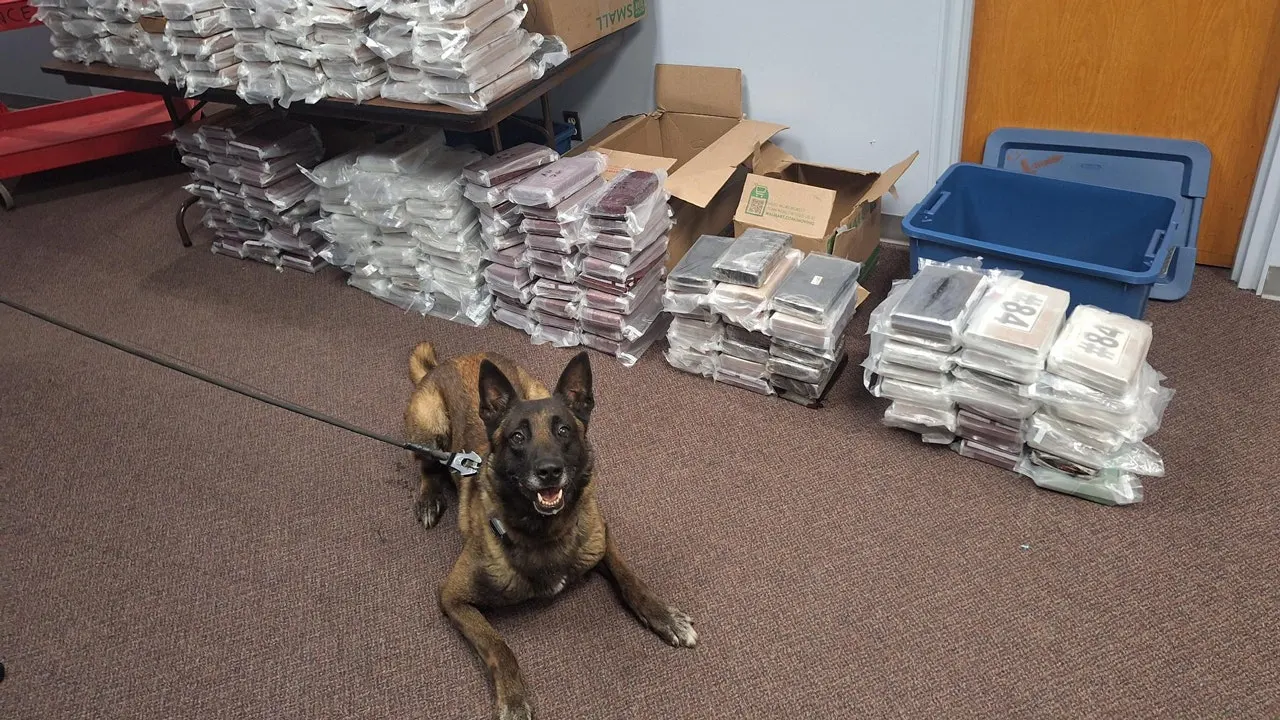
A routine law enforcement interaction on Interstate 80 in Nebraska escalated into a significant drug bust after a specialized canine unit detected the unmistakable scent of illegal narcotics emanating from a vehicle. Authorities were able to seize an exceptionally large quantity of controlled substances, leading to the apprehension of an individual believed to be responsible for the trafficking operation.
The operation, which involved personnel from the Nebraska State Patrol, culminated in the discovery of over 500 pounds of suspected cocaine. In addition to the massive cocaine find, law enforcement also recovered a smaller amount of suspected heroin from the vehicle during the roadside investigation. The success of the seizure was attributed directly to the acute detection skills of the police dog.
This incident highlights the critical role that highly trained K9 units play in modern law enforcement efforts. The alert provided by the dog allowed troopers to conduct a thorough search, leading to the substantial recovery that significantly impacts the drug supply.
The Significance of Canine Detection in Enforcement
The ability of trained canines to detect minute traces of illicit substances makes them invaluable assets for public safety agencies. Unlike other methods of search, the canine’s olfactory capabilities allow officers to pinpoint the location of contraband hidden within or associated with a vehicle, even when concealed. This capability turns a standard traffic stop into a major criminal investigation point.
The volume of drugs recovered—hundreds of pounds—indicates that the intercepted shipment was part of a larger, organized trafficking effort. Law enforcement agencies consider such major seizures vital operations, as they directly remove large quantities of dangerous substances from the illicit market, thereby disrupting criminal enterprises.
Operational Impact and Community Safety
For the state, such successful busts reinforce the capability of the patrol units to maintain secure thoroughfares and combat illegal economies. The quick action demonstrated by the troopers, combined with the dog’s precise work, underlines a successful convergence of training, technology, and animal assistance. Officials emphasize that these types of proactive interventions are crucial for protecting the public and ensuring the integrity of state roadways.
The outcome provides a potent example of how maintaining well-trained, specialized animal teams enhances overall public safety strategies. These canine divisions are consistently recognized for their ability to supplement manpower and technological screening, acting as an immediate, highly reliable detection tool for law enforcement agencies.
About the Author