Royal Visit Illuminates Modern Culture Through Manhattan Landmarks
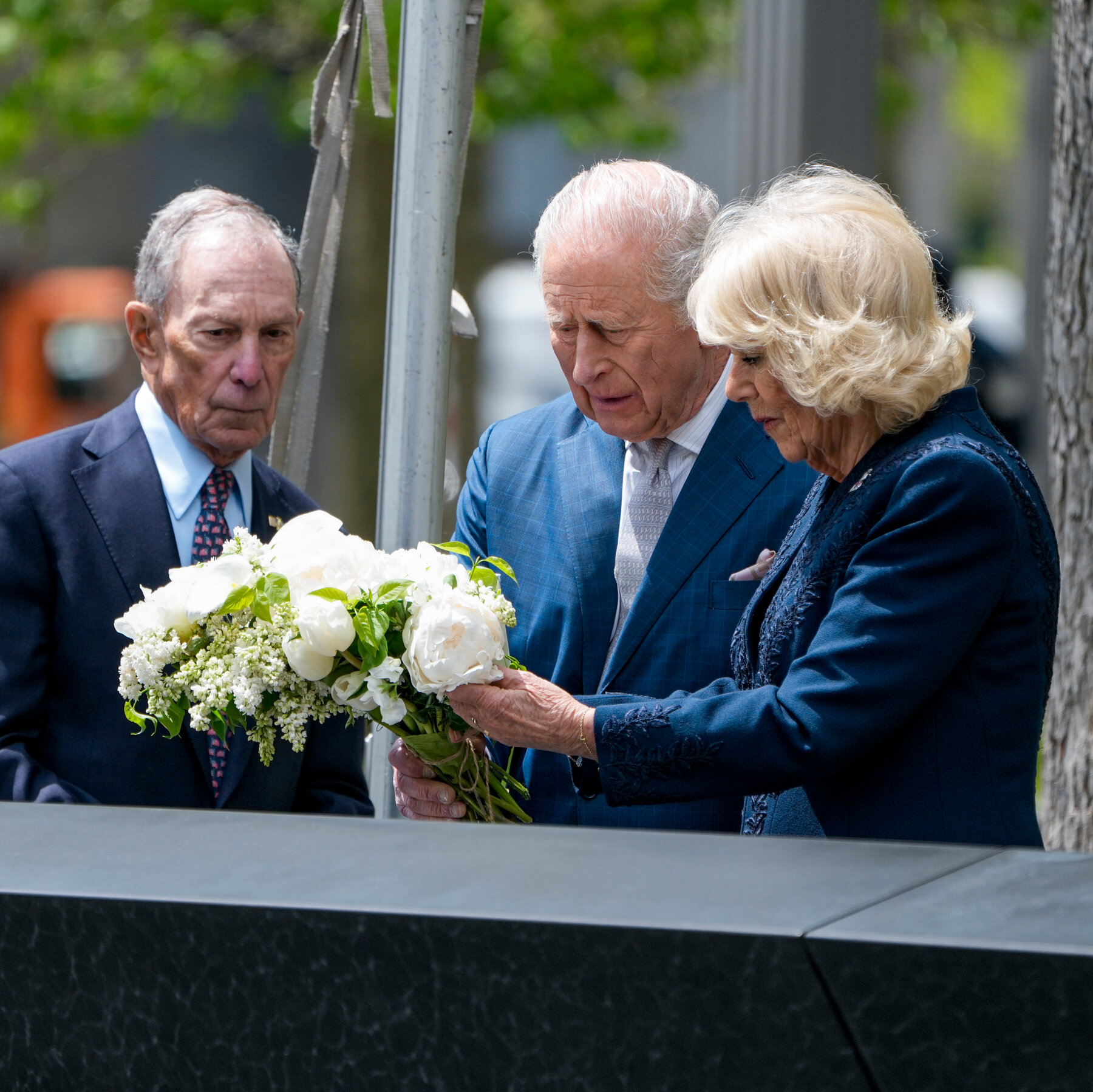
A recent daytime visit by King Charles III and Queen Camilla brought a degree of royal spotlight to various facets of modern New York City. The itinerary suggested a curated glimpse into the city’s blend of history, community focus, and cultural significance. Rather than sticking to traditional royal routes, the couple’s activities showcased engagements that touched upon remembrance, local sustainability, and major civic institutions.
The day’s schedule was notably diverse, moving between solemn acts of remembrance and participation in contemporary public life. From pausing at a significant memorial site to engaging with an urban farming initiative, the visit signaled an interest in the practical, evolving character of the metropolis. The itinerary wrapped up with stops at major cultural hubs and formal social events, painting a picture of a modern royal engagement that values civic connection.
The Significance of the Urban and Civic Focus
The nature of the stops suggests a deliberate interest in areas beyond purely ceremonial duties. The inclusion of an urban farm, for example, highlights an engagement with themes of sustainability and localized food systems—topics of growing importance in contemporary urban planning. Similarly, visiting a cornerstone like the New York Public Library acknowledges the enduring value of public knowledge and cultural repository buildings. These types of stops frame the monarchy’s interest in the working, living fabric of the city, rather than just its historical monuments.
Contextualizing the Itinerary
Such carefully structured visits often serve multiple functions, providing visibility to diverse sectors of a city while allowing the visiting figures to engage with the public sphere on multiple levels. The combination of a solemn memorial observance with lively engagements like a business event or a gala suggests an attempt to encompass the full spectrum of Manhattan life—from deep respect for the past to participation in forward-looking economic and social gatherings. Official reports of the outing indicate an effort to make the experience multifaceted for observers, merging tradition with modern urban realities.
What This Means for Royal Engagements
This trip pattern indicates a modern trend in royal tours: blending high protocol with deep community integration. By visiting sites associated with public utility—whether a library, a local farm, or a memorial—the royal couple frames their visit as one of observation and acknowledgment of shared civic values. It moves the narrative away from mere spectator role to one that appears connected to the day-to-day concerns and achievements of the community hosting them. Such varied stops underscore a desire to resonate with a broad segment of the city’s population and its various institutional pillars.
About the Author