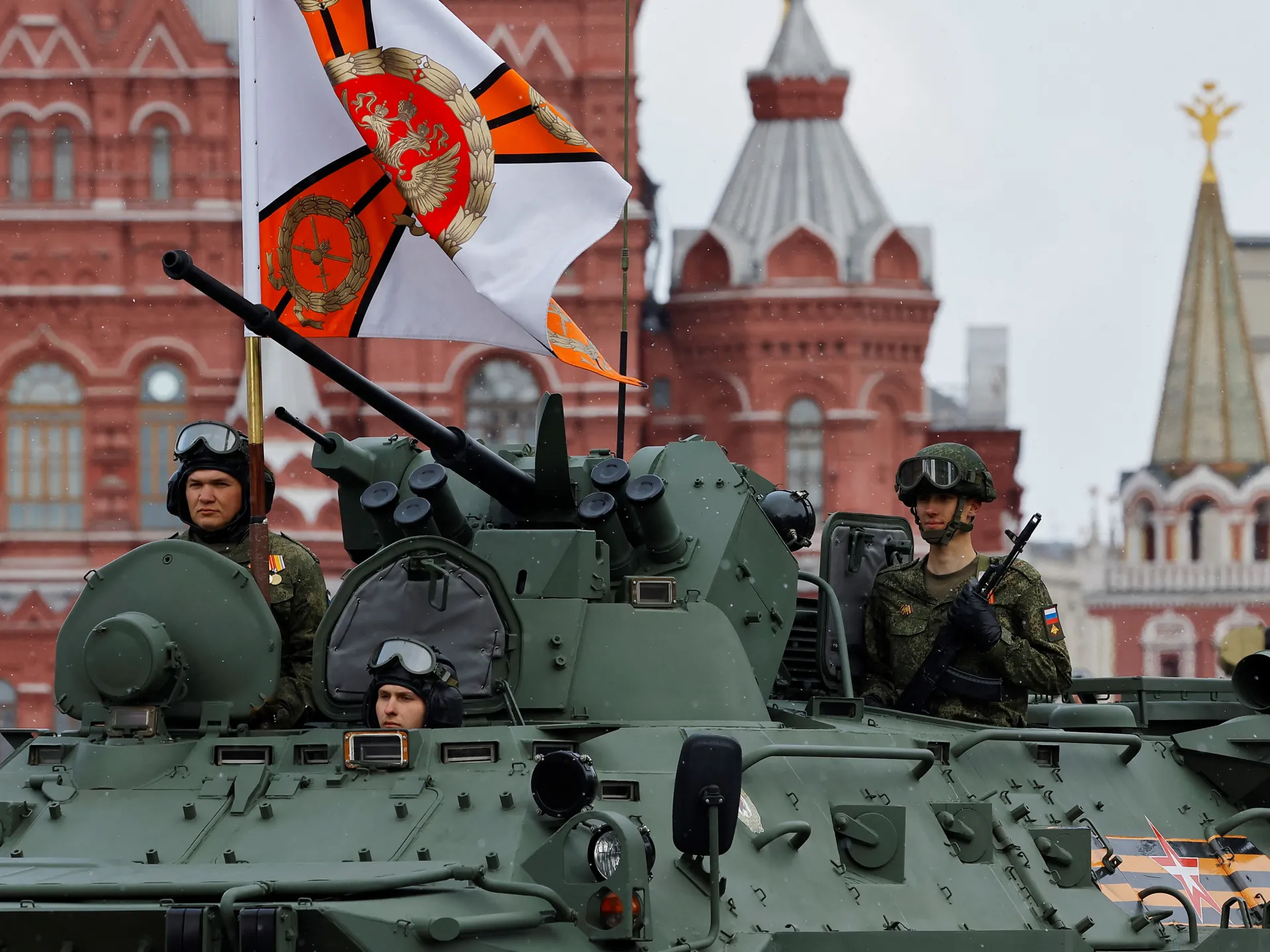
The rhythm of ceasefire discussions between Russia and Ukraine continues to be marked by competing unilateral declarations. As official celebrations for historical anniversaries approach, both sides have issued statements outlining proposed pauses in hostilities, but these dates and parameters are vastly different. These conflicting announcements underscore a continued lack of agreement on any comprehensive, mutually acceptable cessation of fighting.
Recently, Russia announced a truce window specifically aligned with its commemoration of Victory Day, a period marked by a major military parade in Moscow. Conversely, Ukrainian leadership publicized its own planned period of reduced activity for a different timeframe. This divergence suggests that neither nation’s proclaimed pause is intended to align with the other’s expectations, fueling rhetoric that emphasizes the other side’s unwillingness to engage in dialogue toward an end to the fighting.
The Implications of Disjointed Pauses
The declaration of separate, non-coordinating truces significantly complicates any potential path toward de-escalation. When major military powers announce competing cessation periods, the primary impact is a reinforcement of distrust. For the international community, this pattern signals that any localized humanitarian pause is likely to be viewed through a lens of geopolitical maneuvering rather than genuine commitment to peace. The statements serve less as negotiation tools and more as affirmations of independent national postures.
Maintaining a Separate Path to Peace
Ukrainian officials have stressed that their focus remains firmly on securing a long-term, comprehensive settlement for the country. Their public statements often frame their own call for a lull in fighting against the backdrop of sustained military action and the need for international guarantees. Furthermore, these diplomatic exchanges consistently emphasize that any cessation must address fundamental security concerns, pointing to the necessity of broader political concessions rather than simply adhering to calendrical truces.
Context of Military Posturing
These pronouncements of temporary ceasefires often carry accompanying warnings regarding military actions during the declared
About the Author




