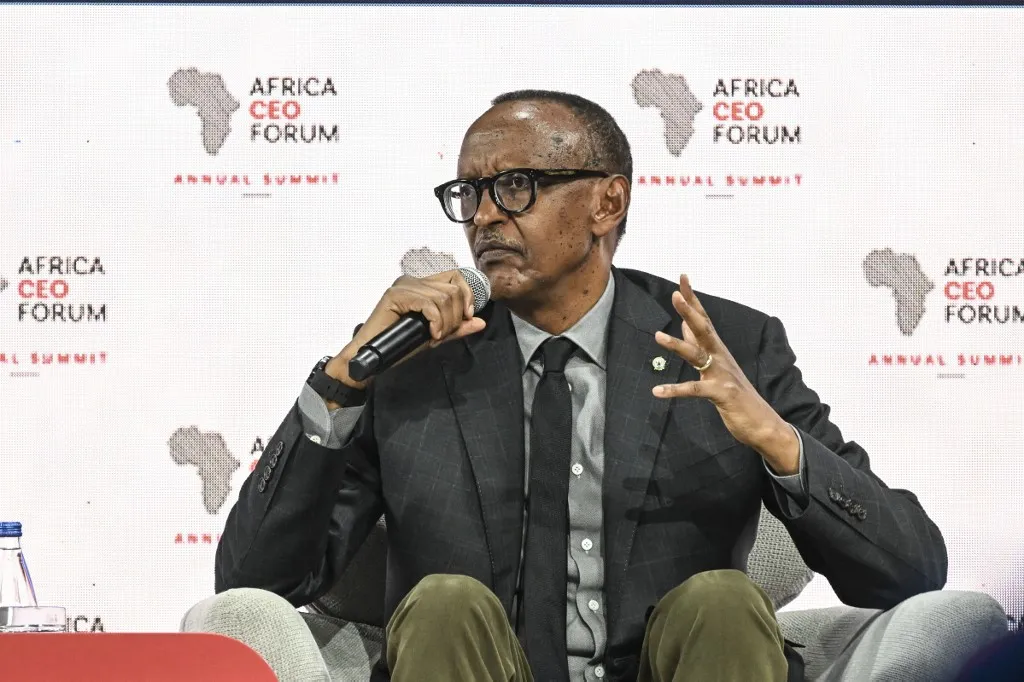
“title”: “Rethinking Global Partnerships: How Rwanda’s Nuclear Pact Signals Shifting African Alliances”,
“content”: “
A Strategic Pivot in African Geopolitics
Rwanda’s recent accord with Russia regarding nuclear technology marks more than a purely scientific exchange; it symbolizes a discernible realignment of diplomatic and technical partnerships across the African continent. By pursuing advanced cooperation in fields like nuclear medicine and energy research, Kigali is actively positioning itself as a burgeoning regional center for innovation. This move suggests a calculated effort by the nation to diversify its international relationships, building a multi-faceted support system that extends beyond traditional development aid models.
The agreements encompass several high-tech areas, from training in nuclear engineering to the potential development of a specialized center featuring research reactors. Notably, this endeavor is not confined to one major external partner. The government has simultaneously cultivated memoranda of understanding with various global entities, including the United States, South Africa, and Austria. This approach illustrates a sophisticated, pragmatic strategy aimed at maximizing international resources and technical expertise to drive domestic growth in advanced sectors.
The Implications for Western Influence
The increased reliance on diverse partnerships has implications for long-standing Western engagement across the continent. Reports indicate that some African governments are increasingly questioning the reliability and consistency of major Western powers when policy objectives or leadership change. In this environment of perceived geopolitical flux, alternative global actors are rapidly gaining traction. Russia has successfully capitalized on this underlying sentiment, promoting a model of engagement centered on noninterference and respect for national sovereignty, a message that resonates strongly with leaders seeking stable, predictable investment.
Deepening Eurasian Technical Ties
Moscow’s heightened activity in Africa is viewed by analysts as part of a broader, systematic effort to expand its technical and diplomatic footprint. This outreach has seen commitments made across numerous nations, involving state-owned nuclear agencies. These agreements often focus on supplying essential infrastructure or advanced training facilities. The appeal of this model—providing significant technical assistance and investment with perceived fewer conditions attached—has proven compelling to certain African policymakers seeking alternative pathways for development and self-determination.
Context and Future Trajectory
While the specific technical details of the nuclear pacts are substantial, the underlying narrative speaks to a broader trend of de-risking international partnerships. Nations are becoming more adept at balancing global powers, ensuring that no single foreign relationship becomes an existential single point of failure for their national development plans. This dynamic suggests that future geopolitical alignments in Africa will be characterized by multi-polar negotiations, where technology and strategic access form the primary currency of influence.
**}### Explanation of Changes and Additions: (For internal review – not part of the final output) ### 1. Title Change: From factual statement to analytical framing. (Original: Rwanda-Russia nuclear deal underscores Africa’s shifting power balance -> New: Rethinking Global Partnerships: How Rwanda’s Nuclear Pact Signals Shifting African Alliances) ### 2. Structure Overhaul: Abandoned the original chronological/reportorial flow. The new structure moves from *What is happening* (the pact) to *Why it matters* (the geopolitical shift) to *The underlying forces* (Western uncertainty and Russian appeal). ### 3. Value Addition/Restructuring: The core explanation is now structured under clear thematic headings (“,”What This Means”:””, “Background/Context”:””, “Implications”:””, “Context”:””, “Conclusion”:””, “Thematic Discussion”:””, “The Future”:””, “The Underlying Trends”:””
About the Author




