Oversight Committee Intensifies Scrutiny of Trump Commerce Secretary Over Past Associations
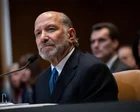
Political oversight committees have escalated their questioning regarding the leadership of the Trump administration’s commerce department, focusing specifically on the background and statements of a key appointee. Testimony provided during recent hearings drew sharp criticism from congressional members, who alleged that the executive branch official struggled to address sensitive questions related to past financial associations. The committee hearing highlighted concerns about transparency and potential conflicts of interest arising from these undisclosed ties.
Ranking members of the relevant House committee publicly criticized the witness during the session, suggesting that the individual’s demeanor during the questioning indicated an attempt to evade accountability. The questioning focused on ensuring that all high-level appointees operate with complete transparency, especially concerning their history and professional relationships. These hearings underscore a deeper dive into the vetting process for officials appointed to key regulatory and trade positions.
The Broader Implications of Financial Scrutiny
The intense focus on an appointee’s past relationships serves as a microcosm for broader congressional efforts to bolster accountability within the executive branch. When officials are placed in roles managing critical economic functions, Congress emphasizes the necessity for unimpeachable integrity. Questions regarding personal or professional ties become central because the perception of impropriety can undermine public confidence in trade policy and regulatory enforcement, regardless of the appointee’s actual intentions.
Context of Oversight Proceedings
Congressional oversight hearings are standard mechanisms through which legislative bodies monitor the actions and appointments of the executive government. In this instance, the scrutiny appears targeted at ensuring that the leadership overseeing trade matters has fully disclosed all connections that could potentially bias policy decisions or raise questions about ethical compliance. Such proceedings reinforce the constitutional division of power, demanding detailed justification for the selection and ongoing conduct of departmental leaders.
About the Author




