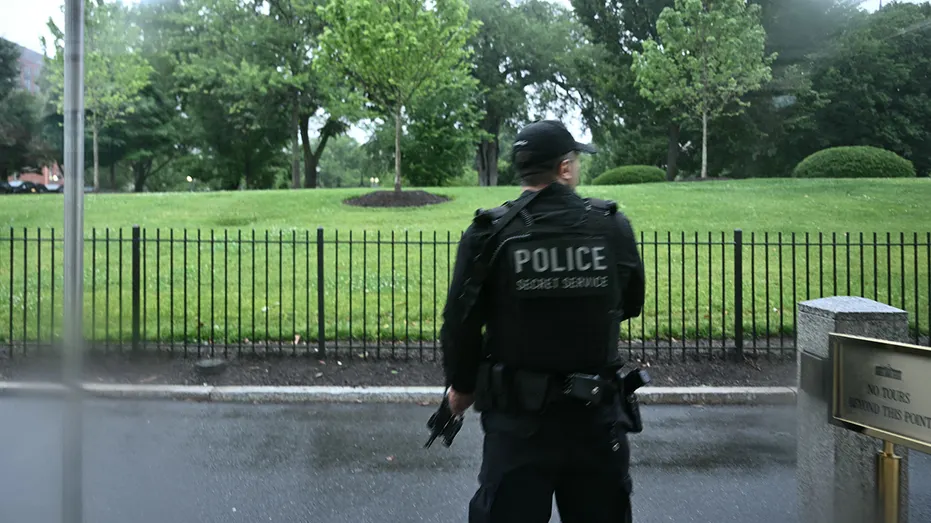
A confrontation unfolded near a primary checkpoint adjacent to the White House in Washington, D.C., when an individual opened fire with a handgun. According to official accounts, the incident occurred when the suspect approached the Secret Service checkpoint located near 17th Street and Pennsylvania Avenue. The armed confrontation resulted in the gunman being fatally shot by Secret Service personnel.
The individual involved has been identified as Nasire Best, a 21-year-old resident of Maryland. Reports indicate that the confrontation followed the suspect removing a weapon from his bag and discharging shots toward the uniformed officers stationed at the checkpoint. While the situation prompted the immediate lockdown of the White House complex, security personnel managed to neutralize the threat before the gunman could advance into the main grounds of the Executive Mansion.
The sequence of events involved a significant exchange of gunfire, with reports suggesting multiple shots were fired in the general vicinity of the Eisenhower Executive Office Building. Authorities were swift to secure the area, ensuring that the primary occupants within the White House remained unharmed, although the incident did result in one bystander being shot, whose condition was noted as unknown at the time.
What This Means: Focus on Perimeter Security
This high-profile event immediately intensified discussions regarding the existing levels of security protecting the White House complex. The swift and professional response from Secret Service and supporting law enforcement agencies highlighted their protocols for handling immediate, armed threats near critical government facilities. Furthermore, the incident drew renewed attention to the physical infrastructure surrounding the executive residences, suggesting ongoing governmental focus on hardening perimeters against potential violent acts.
Context and Background Details
Available information suggests that the individual involved had a documented history of interactions with federal security agencies, including previous detentions for creating disturbances and entering restricted zones. This history was cited by officials during the immediate aftermath of the shooting. In addition to the Secret Service, federal investigative and law enforcement bodies, such as the FBI and the Bureau of Alcohol, Tobacco, Firearms and Explosives, were reportedly mobilized to the scene to support the ongoing investigation. The deployment of multiple agencies underscored the seriousness with which the breach was viewed by federal authorities.
About the Author