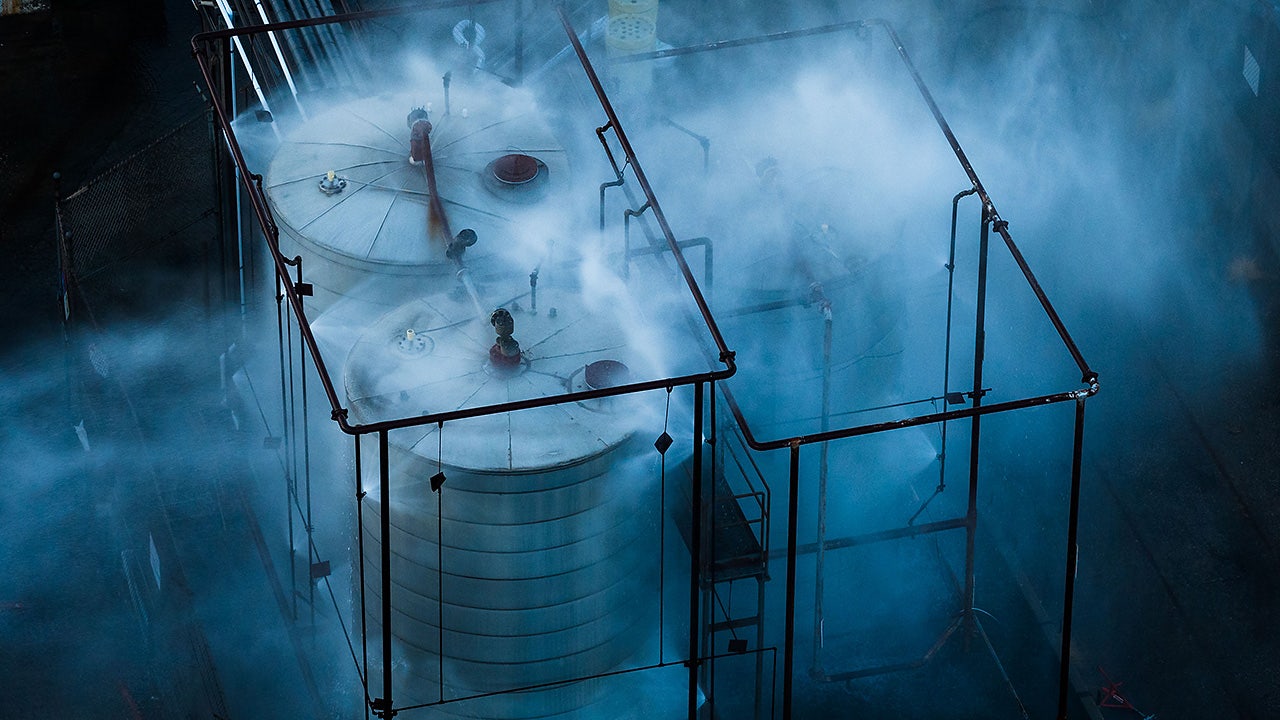
Emergency Response Escalates Over Overheating Chemical Tank at Southern California Facility
A significant industrial incident necessitated a massive emergency response effort in Orange County, leading state officials to declare a state of emergency and prompt the evacuation of tens of thousands of residents. The crisis centered on a major chemical storage facility where a primary tank began experiencing dangerous internal temperature increases. Emergency personnel initiated complex, high-stakes operations over several nights to mitigate the threat posed by the overheating containment vessel.
The critical situation escalated as the internal temperature of the main tank climbed steadily. Initial assessments indicated a volatile scenario with two primary catastrophic risks: a potential massive spill of hazardous materials, or a full-scale explosion resulting from a thermal runaway reaction. This danger threatened not only the contents of the failing tank but also adjacent fuel and chemical storage units, raising the possibility of a cascading industrial disaster.
Analyzing the Crisis and Response Efforts
Emergency crews mobilized intensive mitigation efforts, working to stabilize the volatile chemicals. A key aspect of the strategy involved deploying specialized chemistry teams to neutralize an adjacent, massive chemical containment unit. This preventative measure was designed to cap the potential damage should the neighboring, primary tank undergo detonation. Furthermore, officials introduced a novel containment theory, hoping that a sustained, powerful deluge of water could facilitate a hardening or ‘curing’ process on the exterior of the tank. This process, if successful, could stabilize the chemical buildup and manage the internal pressure generated by the reaction.
Significance and Community Impact
The declaration of a state of emergency underscores the extreme peril presented by the combination of failing infrastructure and volatile materials. The response required coordination across multiple disciplines—firefighting, chemical expertise, and disaster management—to protect human life and critical infrastructure. The mass evacuation of residents speaks directly to the immediate, life-threatening nature of the threat, demanding the utmost caution and evacuation procedures until the site is deemed safe.
Context of Industrial Safety Measures
Such incidents highlight the inherent risks present in large-scale chemical and aerospace manufacturing complexes. Industrial safety protocols must account for potential exothermic reactions and pressure build-up within storage systems. The intensive, multi-stage effort reported suggests that standard emergency procedures required supplementation with advanced chemical intervention to manage a situation where the underlying physical risks were escalating rapidly and unpredictably.
About the Author