Shifting Diplomatic Landscape: Zelensky Initiates Direct Talks Proposal with Putin
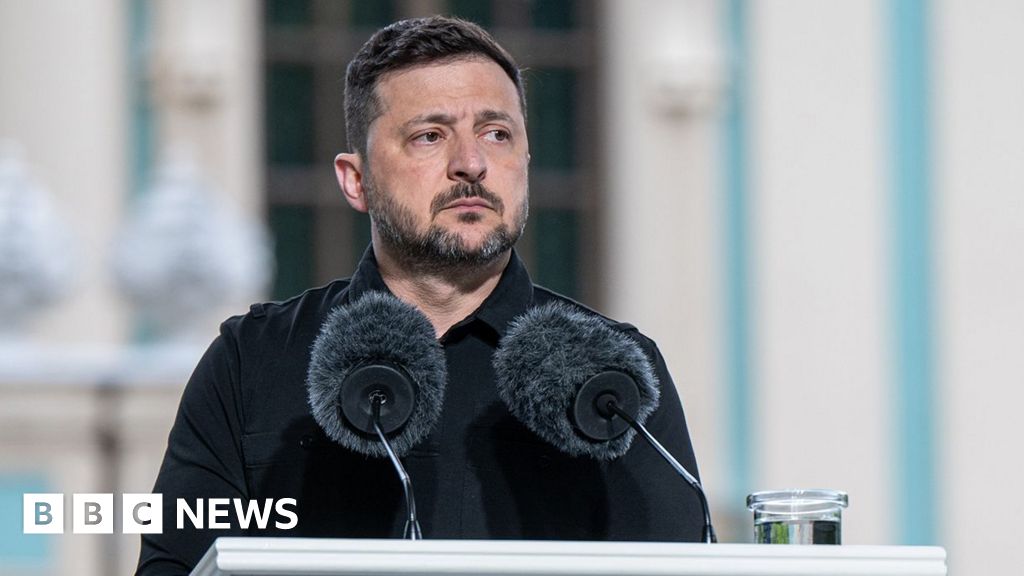
Ukrainian President Volodymyr Zelensky has renewed his appeal for a direct, personal meeting with Russian President Vladimir Putin as a pathway toward concluding the ongoing conflict. In a recent public communication addressed to the Kremlin, Zelensky emphasized that achieving peace necessitates a direct dialogue between the two nations, rather than relying on external mediation or geopolitical shifts.
The proposal carries a pointed diplomatic undertone. Zelensky suggested that the international focus, particularly from Western powers, might eventually divert its attention away from the European theater of war. Consequently, he posited that delaying direct engagement between Kyiv and Moscow would be a strategic error, arguing that lasting resolution must be achieved bilaterally.
The Framework for Negotiations
Central to the proposal is the immediate prerequisite of a comprehensive ceasefire lasting throughout the duration of any potential discussions. This stipulation represents a significant diplomatic hurdle, as it contrasts with previous statements made by the Russian leadership regarding negotiation terms. The tone of Zelensky’s outreach was notably assertive, incorporating references to recent military actions taken by Ukrainian forces within Russian territory to underscore Ukraine’s current operational stance.
Analyzing the Geopolitical Undertones
Beyond the immediate call for dialogue, the letter subtly acknowledges broader international developments. Specifically, Zelensky pointed out the current focus of international attention on other global flashpoints, such as tensions involving Iran. By highlighting this shift, the Ukrainian leader reinforced his argument that Europe’s security concerns cannot afford to wait for external geopolitical priorities to settle down before addressing the war.
Historical Context and Significance
This is not the first time the Ukrainian leader has suggested a direct summit. Historically, the Kremlin has responded to similar overtures by welcoming Kyiv to Moscow for discussions. However, the current communication gained added weight due to its perceived defiance and the specific geopolitical references it contained. The message suggests a growing confidence in Ukraine’s diplomatic timing, coupling the appeal for talks with an acknowledgment of shifting global attention patterns.
What This Means for Future Diplomacy
The renewed push for a face-to-face summit signals Ukraine’s commitment to seizing the initiative in international diplomacy. By framing the meeting as the only viable antidote to a prolonged stalemate, Zelensky is attempting to redefine the preconditions for peace talks. The outcome—whether it leads to formalized diplomatic negotiations or remains a rhetorical exchange—will significantly influence the trajectory of international efforts to de-escalate the conflict in Europe.
About the Author