Beyond the Sport: Sporting Events as a Flashpoint for Deeply Rooted Emotional Tensions Between Koreas
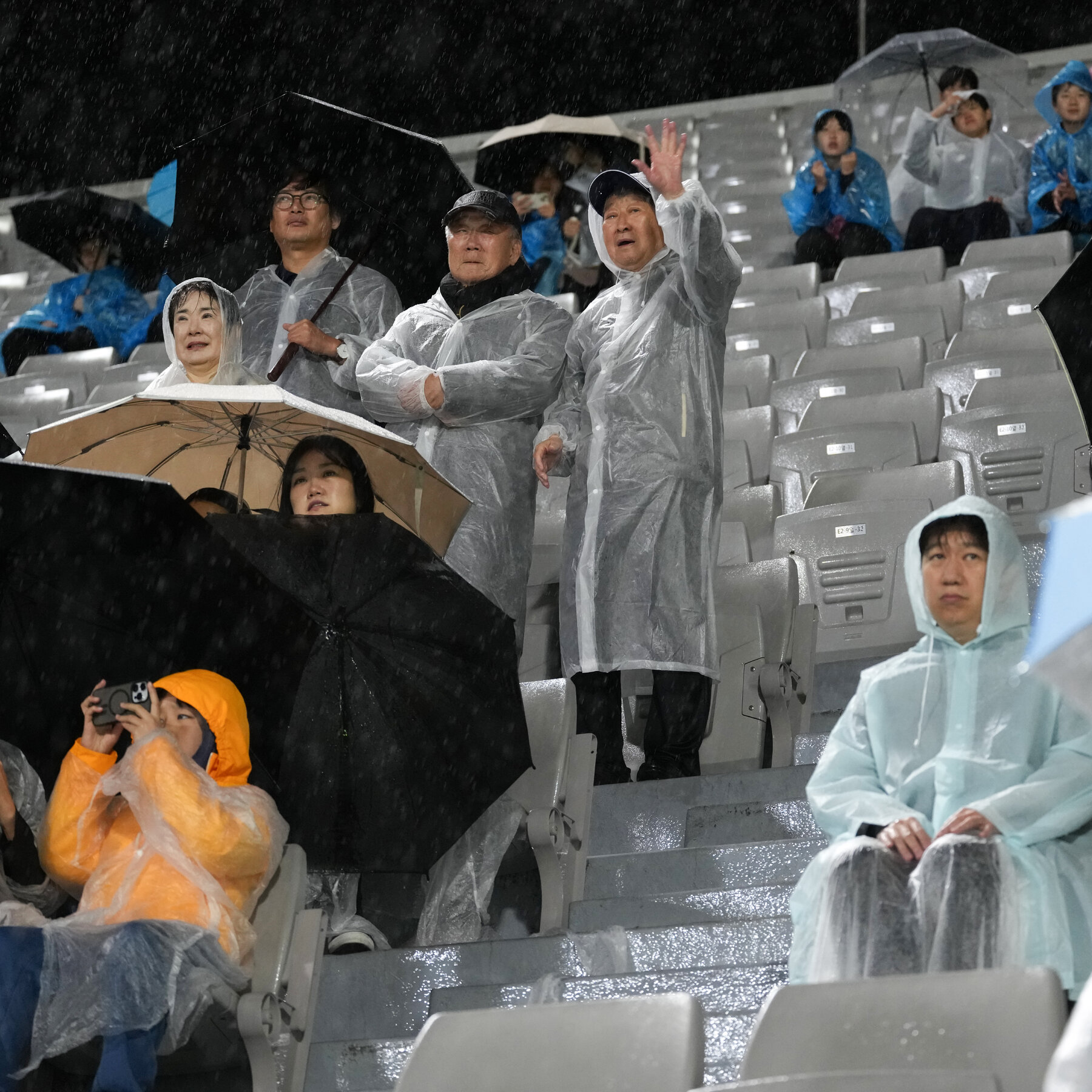
International sporting competitions often serve as arenas where complex geopolitical realities can spill over into raw, visible human emotion. The recent athletic exchanges involving athletes from North and South Korea highlighted this dynamic. Despite the deeply strained and historically low diplomatic standing between the two nations, the mere presence and participation of sporting figures from the North elicited powerful and visible reactions among segments of the South Korean population, particularly among older generations.
These moments on and off the playing field suggest that national pride, historical memory, and emotional sentiment operate on a level distinct from formal diplomatic treaties. For many observers, the pitch becomes less a venue for athletic competition and more a stage upon which decades of unresolved national narratives and lingering emotional weight are momentarily, intensely played out. The focus shifts from the scoreline to the significance of the encounter itself.
What This Means: The Emotional Weight of Athletic Exchange
The pronounced emotional displays surrounding such athletic encounters indicate that for a significant portion of the public, the distinction between a sporting event and a national representation is almost nonexistent. When athletes travel and compete, they are viewed not just as individuals representing skill, but as embodiments of national identity in the international arena. The anticipation, relief, or even heightened tension during these games suggests that the sporting performance carries a weight far exceeding mere sportsmanship.
These reactions provide a visible barometer of the underlying public sentiment regarding the relationship between the two Koreas. While official channels might report diplomatic detente or formal exchanges, the emotional outpouring seen in public settings reveals a deeper, more personal, and more volatile undercurrent of national feeling that remains potent and readily accessible through shared cultural touchstones like competitive sports.
Contextualizing the Tension
The significance of these emotional reactions cannot be fully separated from the broader context of North Korea’s international isolation and the long-standing deep fissures between the two halves of the Korean peninsula. Historically, national identity has been inextricably linked to the Korean state narrative. When physical contact or formalized interaction occurs, the years of separation and escalating political tensions immediately find an outlet. The public reaction observed during these sporting trips underscores that the reconciliation or understanding between the populations is not solely dependent on high-level governmental agreements.
Instead, such cultural or sporting engagement serves as a powerful, albeit complex, reminder of a shared cultural past juxtaposed against a highly divergent political present. These visible emotional outbursts act as powerful anecdotal evidence of a populace grappling with a deeply divided reality, using the accessible, universal language of sport to process geopolitical strains that remain unresolved.
About the Author