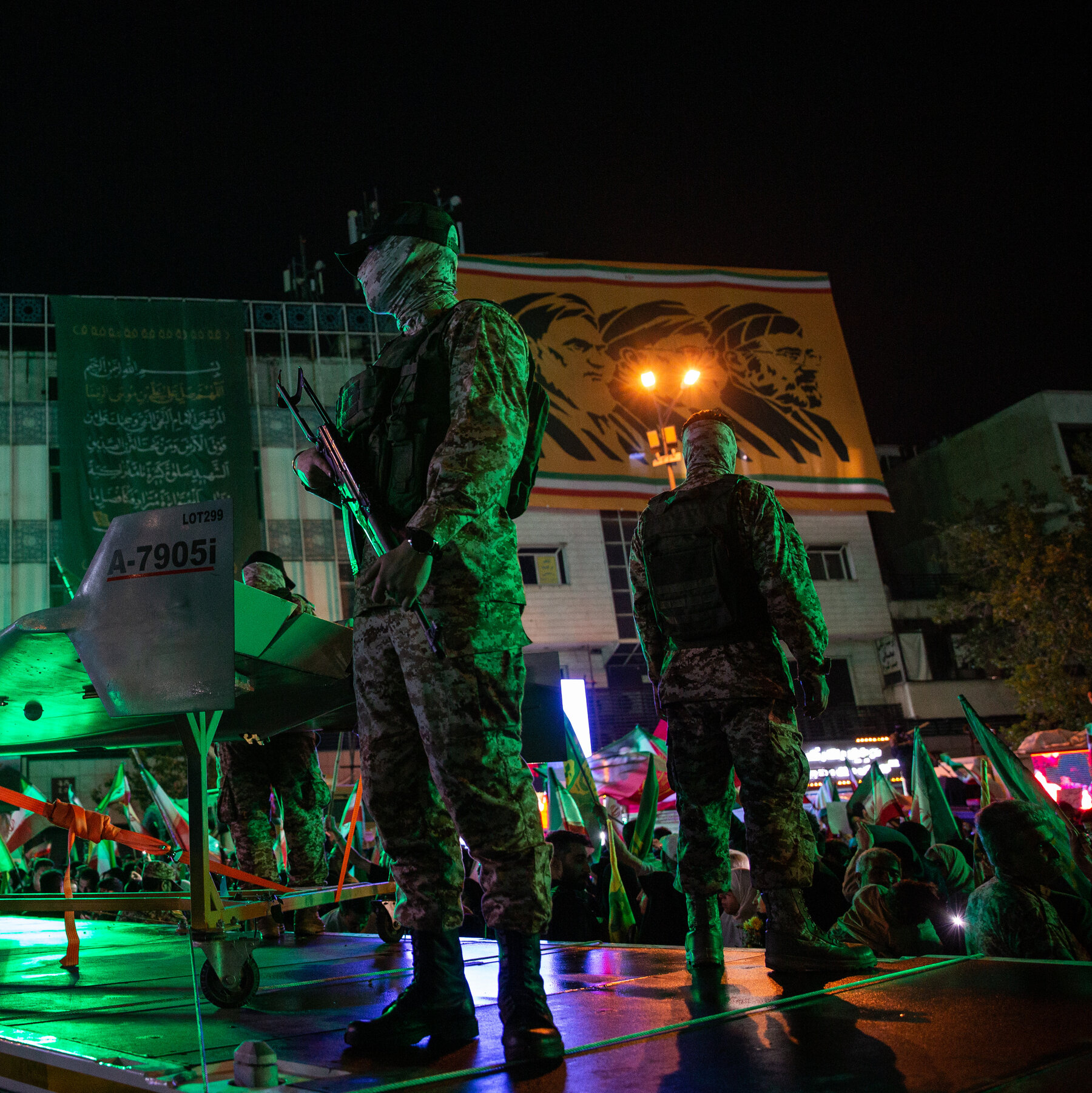
Regional Stability on Edge: Iran’s Warning Over Potential US Military Escalation
Heightened geopolitical tensions are casting a long shadow across the Middle East, underscored by a stark warning from Iran regarding the potential consequences of renewed U.S. military actions. The nation has issued clear warnings suggesting that any resumption of forceful operations by American forces, even if initially contained within regional boundaries, could trigger a far wider escalation. This posture suggests that Iran views the potential for aggressive American involvement as a severe threat to the delicate balance of power in the Persian Gulf and surrounding areas.
These escalating rhetoric contrasts sharply with recent diplomatic signaling from figures like former President Trump and Vice President JD Vance, who have publicly suggested advancements in negotiation efforts aimed at de-escalation. This juxtaposition creates a complex and volatile scenario: while certain political circles speak of achievable agreements and progress toward stability, regional actors like Iran maintain a readiness to respond to perceived encroachments with significant force, signaling that the red lines remain firmly in place.
Understanding the Gravity of the Warning
The core message conveyed by Iran’s warning is one of deterrence. By suggesting that the scope of conflict could extend far beyond the Middle East, Tehran is attempting to raise the stakes of any potential confrontation. This serves as a powerful diplomatic and military message designed to discourage further unilateral actions by external military powers. It implies that any escalation involving U.S. forces will not be treated as an isolated incident but as a catalyst for a much larger, multi-domain confrontation.
Geopolitical Context and Regional Tensions
The region has long been characterized by competing interests and intermittent flare-ups of conflict, making any perceived shift in the balance of power highly sensitive. The discussions about diplomatic progress, as noted by certain political figures, exist against a backdrop where military posturing remains a dominant factor. International observers are closely watching the interplay between diplomatic overtures and the hard calculus of military readiness. The current environment suggests a deep chasm between stated diplomatic pathways and the underlying security concerns of key regional stakeholders.
Implications for International Policy
This persistent tension underscores the extreme difficulty in managing regional conflicts through purely political means when military flashpoints are so numerous. For global powers, the warning serves as a critical reminder that any perceived window for de-escalation must be backed by verifiable commitments that address the core security anxieties of the primary actors involved. The threat of wider conflict forces international policymakers to adopt a highly cautious approach, prioritizing de-escalatory measures and dialogue over unilateral military decisions, lest they trigger the very escalation Iran is warning against. The immediate future remains characterized by intense scrutiny of diplomatic progress versus military signaling.
About the Author




